Real build data, Q3 2026
Jul 1 to Sep 30, 2026Every ranking on this page comes from parts real builders added to their builds on GunPartPicker, Jul 1 to Sep 30, 2026. A pick counts each time a builder adds the part to a build in our builder, filed under the part's own category. Prices and stock are checked daily across every store we track. No surveys, no search trends, no sponsored picks.
Quick picks
Live prices- 1
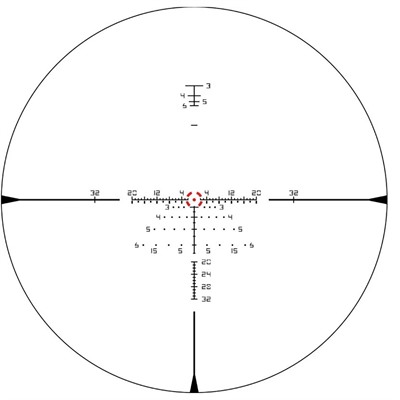
 Most addedVortex Optics Strike Eagle 1-8x24 Rifle Scope - AR-BDC3 Illuminated Reticle11 stores/In stock
 - 2

- 3
 Also popularVortex Optics Strike Eagle 1-6x24 Rifle Scope - AR-BDC3 Illuminated Reticle5 stores/In stock
 - 4
How we pick: ranked by how often builders added each part to a real build on GunPartPicker in Q3 2026, in stock parts first, then by tier. Prices and stock are checked daily across every store we track.
Quick Answer: What LPVO Should You Run?
The answer that just got reaffirmed at the White House Correspondents Dinner: a Nightforce ATACR 1-8x24 with a piggyback red dot. Nothing beats it. But you don't need $2,800 of glass to be well armed, and we price a real LPVO at every tier from $190 to $2,800.
- The hero: Nightforce ATACR 1-8x24 FC-DMX (~$2,800), what Secret Service CAT runs
- Best 1-10x: Vortex Razor HD Gen III 1-10x24 (~$2,200)
- Best 1-6x value: Vortex Razor HD Gen II-E 1-6x24 (~$1,320), the daily driver standard
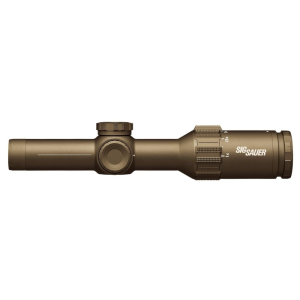
- Best mid-tier duty: Sig Tango6T 1-6x24 (~$1,230), a US military DMR contract winner
- Best under $400: Primary Arms SLx 1-6x24 Gen IV ACSS Nova (~$350)
- Best under $200: Vortex Strike Eagle 1-6x24 (~$190)
| Metric | Value |
|---|---|
| Cheapest LPVO | $190 |
| ATACR Street Price | $2,800 |
| Top Magnification | 1-10x |
| Brands In Catalog | 15+ |
LPVO Price Tiers
Real LPVOs at every budget — typical street price
| Tier | Product | Price ($) |
|---|---|---|
| Budget (Under $500) | Strike Eagle 1-6x24 | 190 |
| Budget (Under $500) | Burris RT-6 1-6x24 | 220 |
| Budget (Under $500) | PA SLx Gen IV 1-6x | 350 |
| Budget (Under $500) | PA SLx 1-8x FFP | 476 |
| Mid ($500-$1,500) | Trijicon Credo HX 1-6x | 690 |
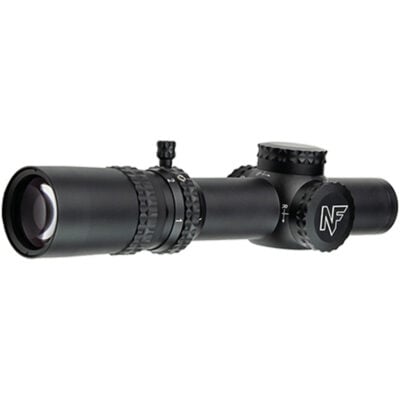
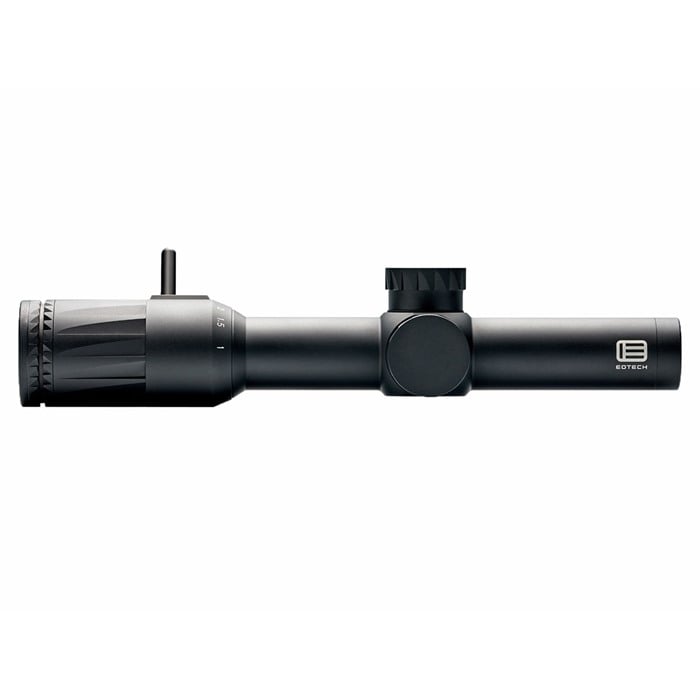
| Mid ($500-$1,500) | EOTech Vudu 1-8x SFP | 818 |
| Mid ($500-$1,500) | EOTech Vudu 1-6x FFP | 904 |
| Mid ($500-$1,500) | Sig Tango6T 1-6x | 1230 |
| Mid ($500-$1,500) | Vortex Razor Gen II-E 1-6x | 1320 |
| Mid ($500-$1,500) | EOTech Vudu 1-10x | 1372 |
| Mid ($500-$1,500) | PA Compact PLx 1-8x | 1500 |
| Premium ($1,500+) | Nightforce NX8 1-8x | 2000 |
| Premium ($1,500+) | Trijicon VCOG 1-6x | 2056 |
| Premium ($1,500+) | Vortex Razor Gen III 1-10x | 2200 |
| Premium ($1,500+) | Nightforce ATACR 1-8x | 2800 |
Are LPVOs Cool Again?
Short answer: they never stopped. Longer answer: trends move on hype cycles. For the last few years the loudest voices online ran 3x magnifier and red dot combos, citing combat footage out of Ukraine where weight and rail space matter. They've got a point, for that use case.
Then the Secret Service Counter Assault Team turned up at the same dinner running ATACR 1-8x scopes, and the hivemind pivoted overnight. Pros pick optics by use case, never by what's trending. If you want one rifle that works at room distance and at 300 yards, an LPVO is a superb do everything choice, and that covers most of the builders we see.
How LPVOs Work
A Low Power Variable Optic is a variable-magnification rifle scope with a true 1x bottom end. At 1x with both eyes open it behaves like a red dot: fast target acquisition, full peripheral vision. Crank it to 6x, 8x or 10x and you've got a precision rifle scope.
The defining trait is that 1x has to feel like 1x. Cheap LPVOs fail that test. The glass distorts, the eye box is tight, and you can't run them with both eyes open. Premium LPVOs nail it.
Magnification: 1-4 vs 1-6 vs 1-8 vs 1-10
| Range | Best for | Trade-off |
|---|---|---|
| 1-4x | CQB-leaning builds, lightweight | Limited beyond 200 yds |
| 1-6x | The all-rounder. Most people. | Hits the sweet spot of cost, weight, and capability |
| 1-8x | Duty / DMR / 600-yd capable | Heavier, more expensive, eye box is tighter at 8x |
| 1-10x | Replacing a magnifier or short MPVO | Heaviest, most expensive, hardest to make 1x clean |
If you're not sure, take the 1-6x. The 1-8x and 1-10x exist to serve specific jobs, DMR work and hog hunting at variable distance, and they aren't objectively better.
In stock


FFP vs SFP
First Focal Plane (FFP): the reticle scales with magnification, so holdovers and ranging marks stay accurate at any zoom. The reticle is small at 1x and sometimes hard to pick up fast, which is the whole reason FFP LPVOs carry bright daylight illumination.
Second Focal Plane (SFP): the reticle stays the same size regardless of zoom. Holdovers are only accurate at the specified magnification (usually max). The reticle is bold and easy at 1x.
If your LPVO lives at 1x, SFP is fine. If you shoot DMR or precision and you use the holdovers, take FFP. In our catalog, most above $1,000 are FFP and most under $500 are SFP.
The Backup Sights Question
Do you need backup irons or a piggyback red dot? Almost always no, though it depends on your threat model.
- LPVOs fail in three ways: the erector assembly losing zero, glass elements shifting, or the mount coming loose. Etched reticles are not a backup for any of these.
- A piggyback / 12 o'clock red dot mounted on the scope itself is not a backup for a failed mount, because it shares the point of failure.
- An offset / 45-degree red dot mounted to the rail is a true backup: different mount, different optic.
- Quality LPVOs are reliable enough that most builders never need a backup. USSS CAT doesn't run BUIS. Most competition shooters don't either.
Run what fits your use case. The "must have BUIS" school is mostly mid 2000s GWOT carryover.
Tier 1: Duty / Premium ($1,500+)
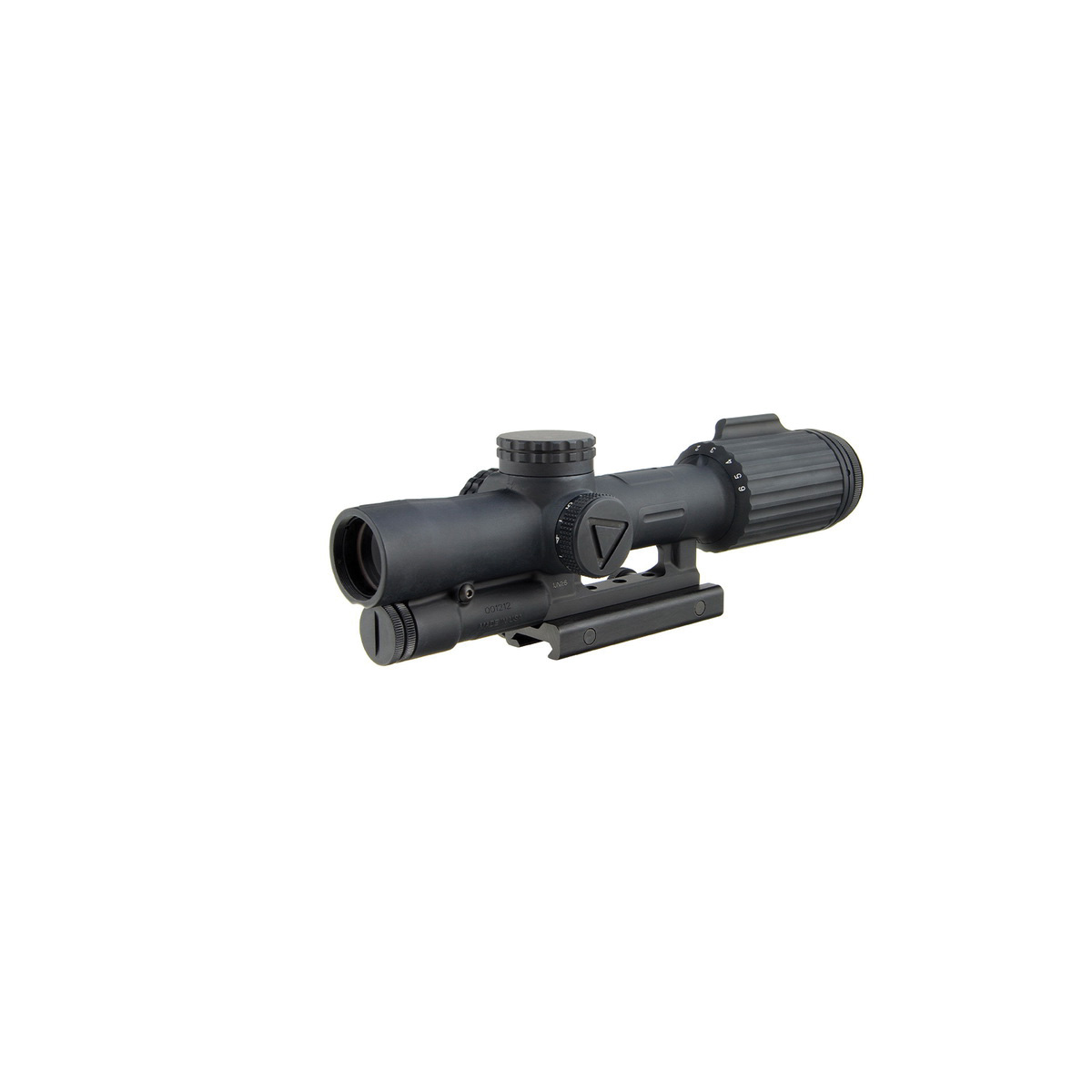
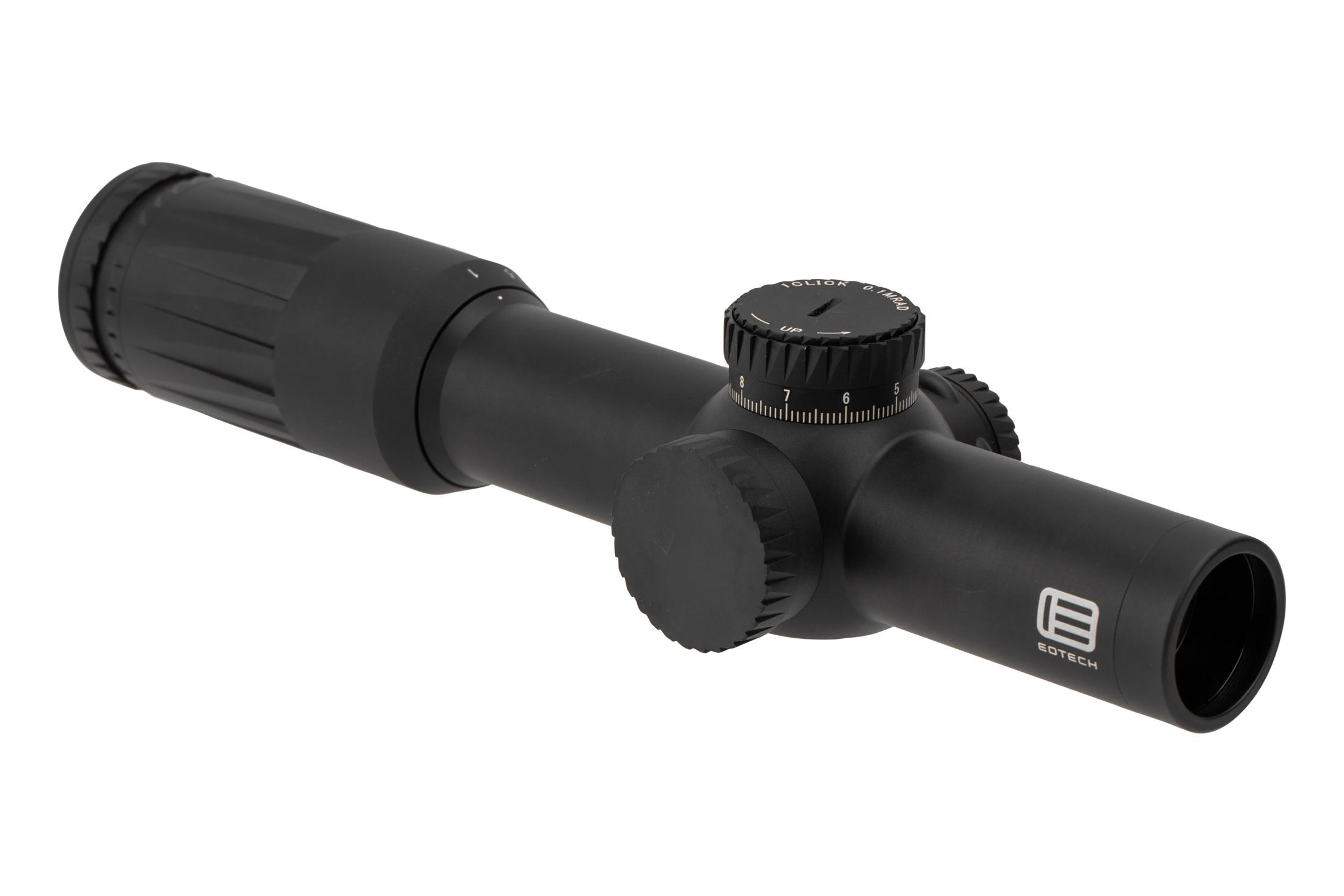
Most accounts put the ATACR 1-8x24 at the top of the market. The Vortex Razor Gen III 1-10x24 is its closest competitor, and the EOTech Vudu 1-10x28 splits the difference for less. The Trijicon VCOG is the battle proven one, with a magnesium body that survives anything.
Tier 2: Serious Builder ($600 to $1,500)
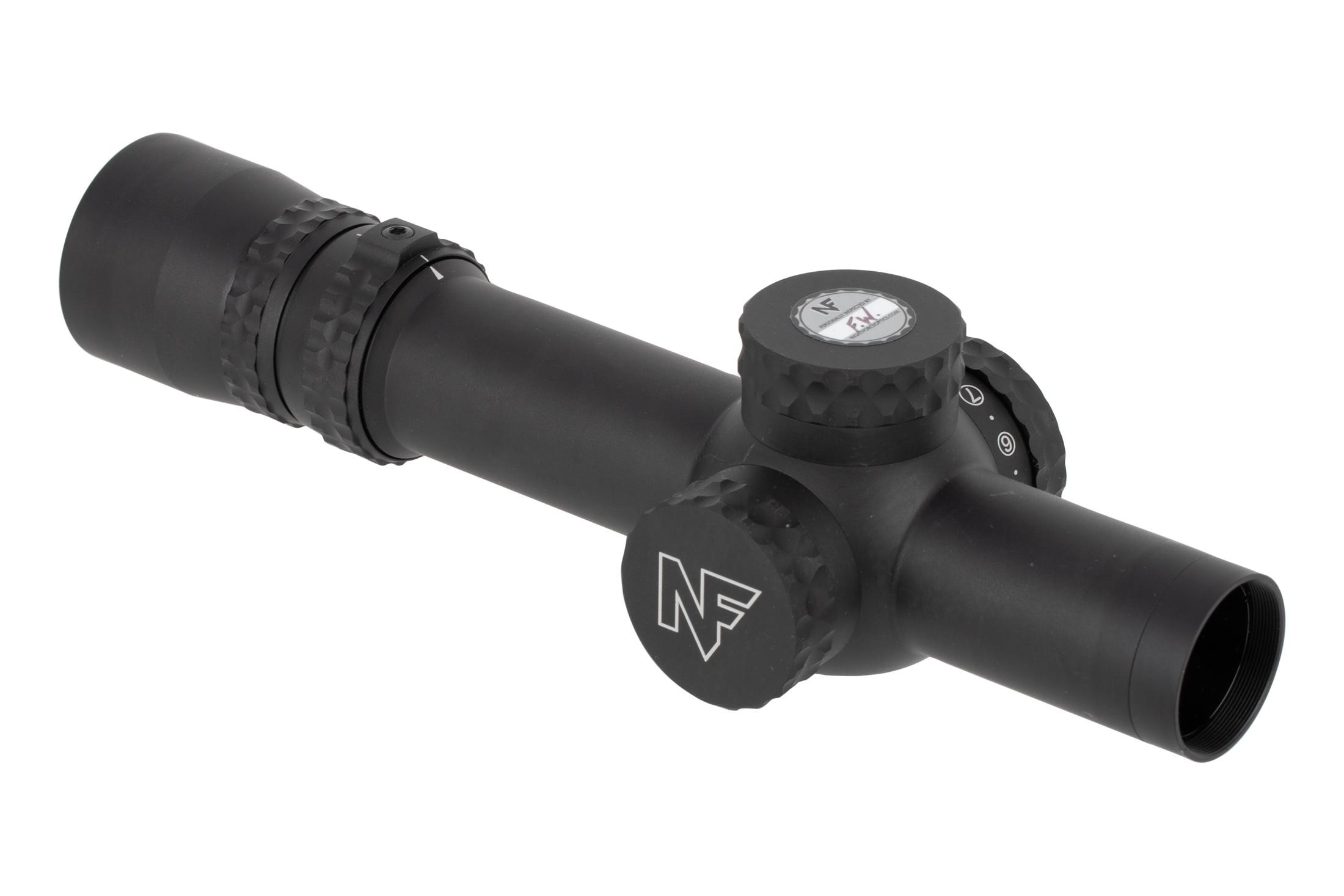
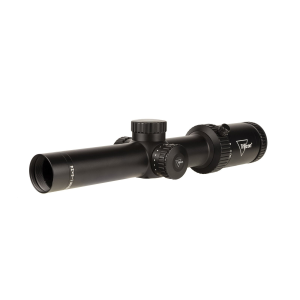
The mid tier is where we see the value. The NX8 1-8x is the budget ATACR, same lineage and a lighter hit. The Razor Gen II-E has been on duty rifles for a decade. The Compact PLx is Primary Arms' answer to that market, and the Trijicon Credo HX brings hunting grade glass with a lifetime warranty.
Tier 3: First LPVO (Under $500)
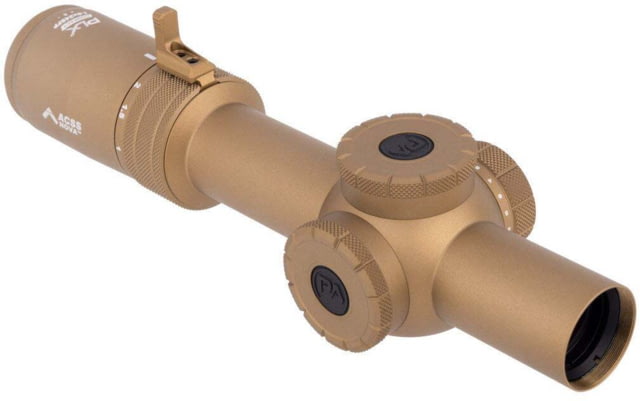
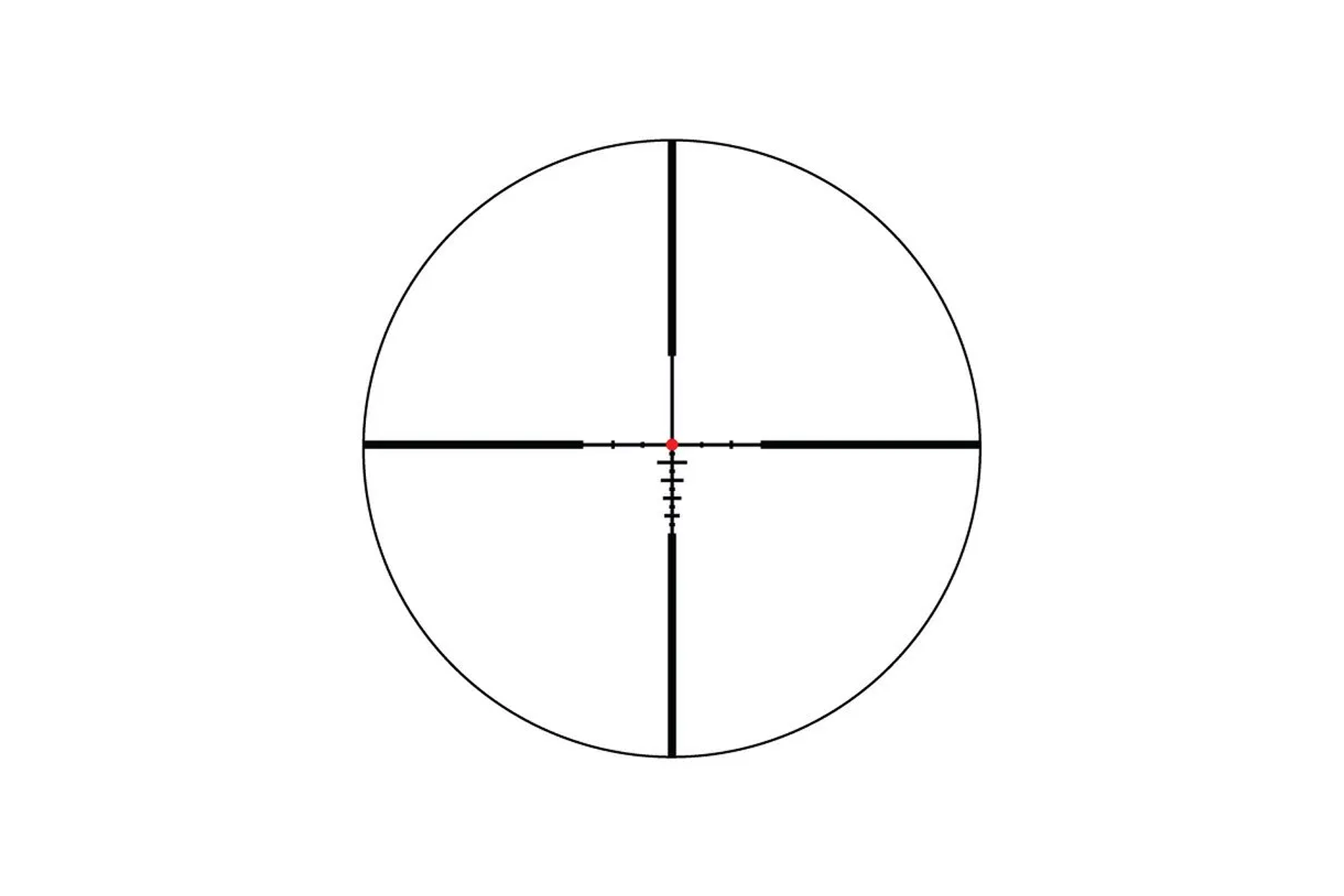
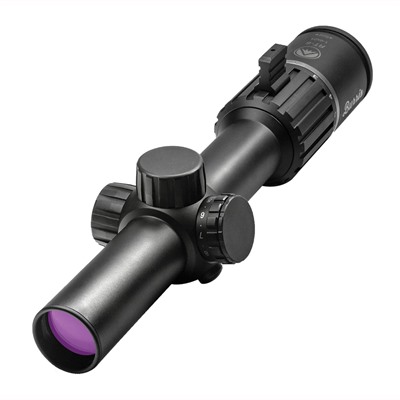
The SLx Gen IV with ACSS Nova is the best $350 LPVO anybody has made: illuminated FFP style reticle, durable, built to be turned all the way up. The Strike Eagle 1-6x24 is where most of the builders we track start.
In stock
In stock
Mounts Matter
Spending $2,000 on an ATACR and $40 on the mount is a self own. Budget $200 to $400. Our picks: Geissele Super Precision (most popular, lifetime warranty), Reptilia AUS and ROF (flat top with an integrated red dot ring), Scalarworks LEAP/06 (lightest premium) and ADM Recon (great QD lock).
A canted offset rail like the PMM Cowgirl or Reptilia ROF-90 puts a micro red dot at 45 degrees. You'll get on target faster that way than holding "1x" between two distant points on a scope.
How to Choose
- Under $250: Vortex Strike Eagle 1-6x24 or Burris RT-6. Functional, illuminated, decent eye box.
- $250 to $500: Primary Arms SLx 1-6x24 Gen IV ACSS Nova. Best reticle in the class.
- $500 to $1,000: Trijicon Credo HX 1-6x24 SFP. Hunting-grade glass with a lifetime warranty.
- $1,000 to $1,500: Vortex Razor HD Gen II-E 1-6x24 or Sig Tango6T 1-6x24. Both are duty-grade.
- $1,500 to $2,500: EOTech Vudu 1-10x28 or Nightforce NX8 1-8x24. The "almost ATACR" tier.
- $2,500+: Nightforce ATACR 1-8x24. The reference standard.
Related Guides
Filed underAR-15/5.56 NATO/Optics/Home Defense/Competition/Buyer's Guide
FAQ
Frequently asked questions
Do I need backup iron sights with an LPVO?
- Almost always no. Quality LPVOs from Nightforce, Vortex, EOTech, Trijicon, and Sig are reliable enough that the failure rate does not justify the added weight and rail real-estate of BUIS. The Secret Service Counter Assault Team does not run BUIS. The 'must have backup irons' school is mostly mid-2000s GWOT carryover. If redundancy matters for your use case, an offset 45-degree red dot is a true backup since it uses a separate mount.
1-6x vs 1-8x vs 1-10x — which magnification is right?
- 1-6x is the right default for most builders. It hits the sweet spot of cost, weight, and capability and works for everything from CQB to 400 yards. 1-8x is for DMR and longer-range work where you actually need the extra zoom and accept the heavier scope and tighter eye box at max power. 1-10x is for hunters and shooters replacing a magnifier setup with one optic — heaviest, most expensive, and hardest to engineer a clean 1x.
FFP vs SFP — does it matter for an LPVO?
- For an LPVO that lives at 1x most of the time, SFP is fine and the reticle stays bold and easy to pick up fast. For DMR or precision use where you actually use the holdovers, FFP is better since the holds work at any zoom level. Almost all LPVOs above $1,000 are FFP; most under $500 are SFP.
Why is the Nightforce ATACR 1-8 worth $2,800?
- Three reasons: glass clarity at the high-magnification end is class-leading, the daylight-bright illumination on the FC-DMX reticle is the best in the LPVO category, and the FFP construction holds zero through abusive duty cycles. It is the optic on Secret Service Counter Assault rifles for a reason. That said, a $1,300 Vortex Razor Gen II-E or $1,200 Sig Tango6T does 90% of what the ATACR does for less than half the price.
What mount should I pair with my LPVO?
- Plan to spend $200 to $400. Top picks are the Geissele Super Precision (most popular, lifetime warranty), Reptilia AUS or ROF (flat-top with integrated red-dot ring), Scalarworks LEAP/06 (lightest premium), and ADM Recon (great QD lock). Torque to spec: 15 to 18 in-lbs on the ring screws and 65 in-lbs on the rail clamp. Cheap mounts are a false economy — they walk under recoil and ruin a $2,000 optic's zero.
Written by
GPP Editorial TeamAR Build Specialists
GunPartPicker guides are powered by data from real builds. What builders actually select tells the story.
Read next
All guides → GUIDE/09.17.26Best 9mm PCC in 2026: Pistol Caliber Carbines Compared
 MAGAZINES/10.06.26Best Glock Magazines and Basepads
 TRIGGERS/09.16.26Best Glock Triggers in 2026
 SLIDES/09.24.26Best Glock Slides and Slide Completion Kits
 LIGHTS/03.23.26Best AR-15 Weapon Lights for 2026: What Builders Actually Buy
 OPTICS/10.08.2614.5 Pin and Weld Upgrades 2026: What M4 Style Builds Pick
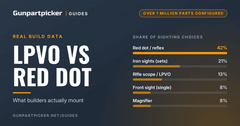 IRON SIGHTS/09.15.26What Builders Actually Mounted in 2026: LPVO vs Red Dot
 HOLSTERS/09.30.26Best Glock Holsters: Narrowing Down the Field
Tools for this guide
- Legal toolGun Travel CheckerCan I bring my gun to another state? Pick where you start, where you are going and what is coming along: carry pistol, AR-15, magazines, suppressor, SBR, brace, forced reset or binary trigger, hollow points. Every state on the route is checked for transporting firearms across state lines: magazine limits, assault weapon bans, NFA rules, carry permit type and trigger bans, with what to do before the state line.
- Planning toolNight VisionLook around a real 360 degree scene through Gen 1, Gen 2+, Gen 3 green and white phosphor tubes, digital night vision and thermal. Turn the moon down from full to overcast, switch on an IR light, compare two devices side by side. Or walk a 3D farm at night and spot the people, hogs and deer hiding in it. Then see the PVS-14, PVS-31, GPNVG-18 and the thermal scopes people buy, with prices.
- Compatibility toolGlock Red Dot Fit CheckerPick how your Glock slide is cut and see which red dots mount directly, which need a plate, and the plates and optics in stock right now.