Gun Tools·Planning·Updated October 5, 2026
$1,000 for Hogs: Digital Night Vision vs Thermal
A digital night vision scope with an IR light on the left, an entry level thermal scope on the right, over an open field at night. The two ways people spend about $1,000 to hunt hogs.
Quick answer
- Thermal finds hogs: warm bodies glow through brush and shadow at ranges an IR light never reaches. Entry thermal sensors (256 or 384) blur detail past about 150 yards.
- Digital with a good IR light shows the hog itself, so you can judge size and sow vs boar, but only inside the beam and the IR glare off brush right in front can white out the view.
- A common setup is a cheap thermal monocular to scan and a digital scope to shoot.
Source: manufacturer specs and published tube data, typical 2026 street prices. The simulator is an illustration, not a measurement.
Look through night vision: pick a generation and a light level
Drag the view to look all the way around. Pick a device, then turn the moon down and watch what each generation can still see. Compare two side by side with the split line.
Panorama: Meadow 2, Poly Haven (CC0), shot by day and darkened to the light level you pick. Open the simulator for every device, model, scene, weather and aiming setup.
Night vision and thermal models compared
The devices people actually buy, what tube or sensor each one uses and what it costs. See through it puts that model in the simulator.
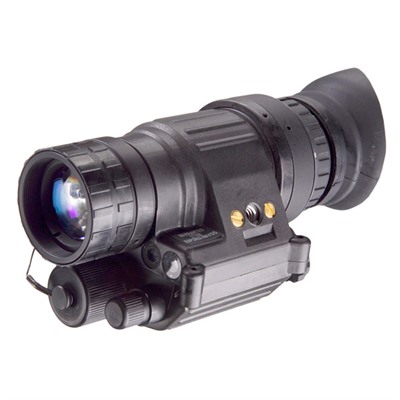
Gen 3 W · monocular
AN/PVS-14
The default. One tube on a helmet or behind a red dot, the other eye stays adapted to the dark.
40 deg view · 12.4 oz
See through it$2,700 to $5,400
In stock from $2,995Gen 3 G · binocular
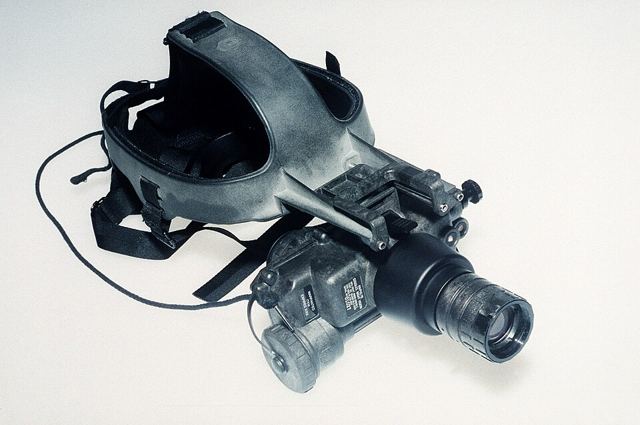
AN/PVS-7
One tube split to both eyes. Easy to wear, heavy on the face, no depth.
40 deg view · 24 oz
See through it$1,800 to $3,200
Gen 3 W · binocular
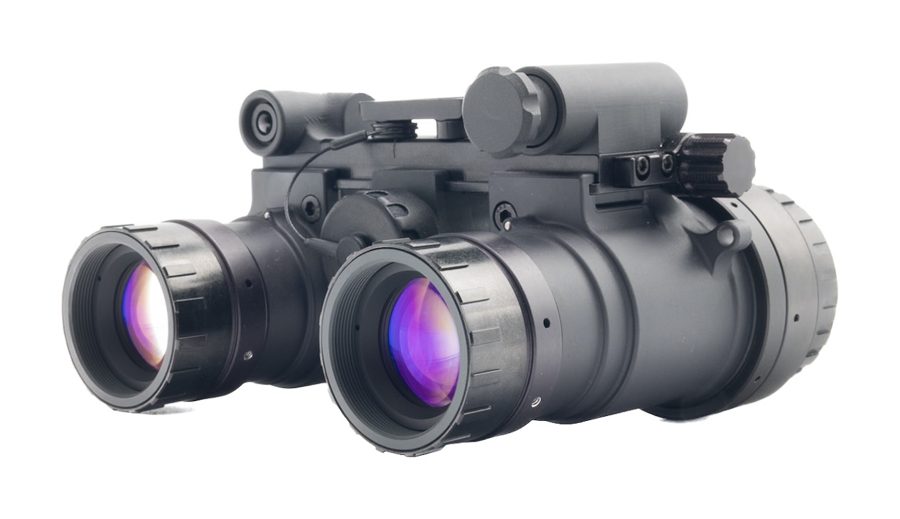
ACTinBlack DTNVS
The dual tube most civilians end up with. Light, flips each tube up on its own, and runs PVS-14 lenses.
40 deg view · 15.5 oz
See through it$7,300 to $12,000
Gen 3 W · binocular
AB Night Vision RNVG
Billet aluminum dual tube with a built in IR light. Heavier than a DTNVS, built to take a beating.
40 deg view · 19.6 oz
See through it$7,000 to $9,300
Gen 3 W · binocular
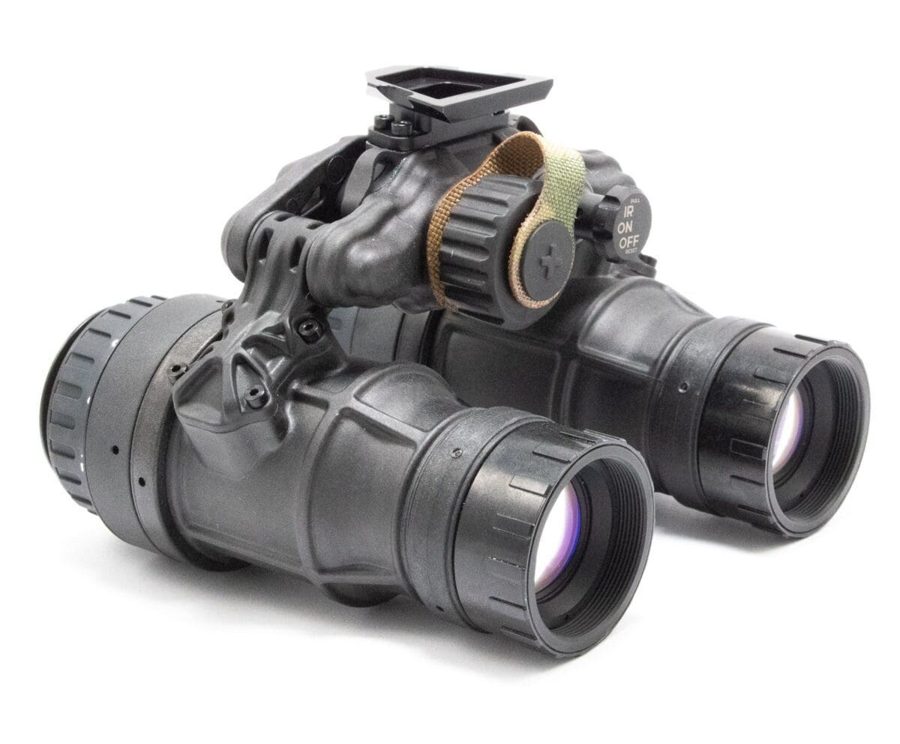
BNVD-1431
An Argus PVS-31 style housing on PVS-14 lenses. The cheapest way into two tubes; the tubes inside decide everything, so get the spec sheet.
40 deg view · 19.9 oz
See through it$4,500 to $10,000
Gen 3 W · binocular
AN/PVS-31 / BNVD
Two tubes, real depth perception for walking and driving. Folds up one side at a time.
40 deg view · 16 oz
See through it$5,600 (BNVD) to $14,900 (PVS-31A)
Gen 3 W · quad
L3Harris GPNVG-18
Four tubes for a 97 degree view. Peripheral vision for teams clearing rooms.
97 deg view · 28 oz
See through itabout $50,000
Gen 1 · handheld
Gen 1 monocular
Camping and the yard. Needs its IR light and a bright moon to show much.
30 deg view · 14 oz
See through it$150 to $500
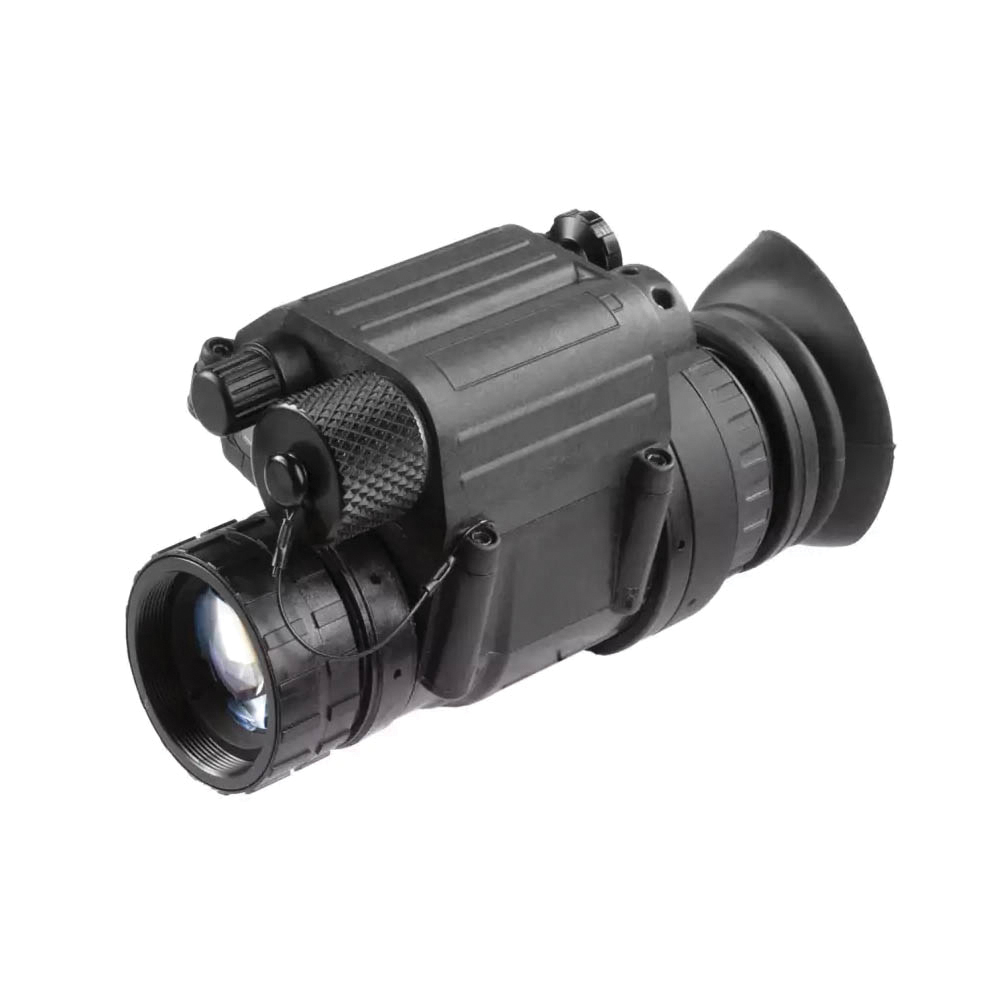
Gen 2+ · monocular
Gen 2+ PVS-14 pattern
The PVS-14 body with a Photonis Echo tube. Good under a moon, grainy under clouds.
40 deg view · 12.5 oz
See through it$1,750 to $2,550
In stock from $2,787
Gen 3 G · clip on
Clip-on night vision
Clamps in front of your day scope so the zero stays put.
12 deg view · 20 oz
See through it$4,000 to $9,000

Digital · scope
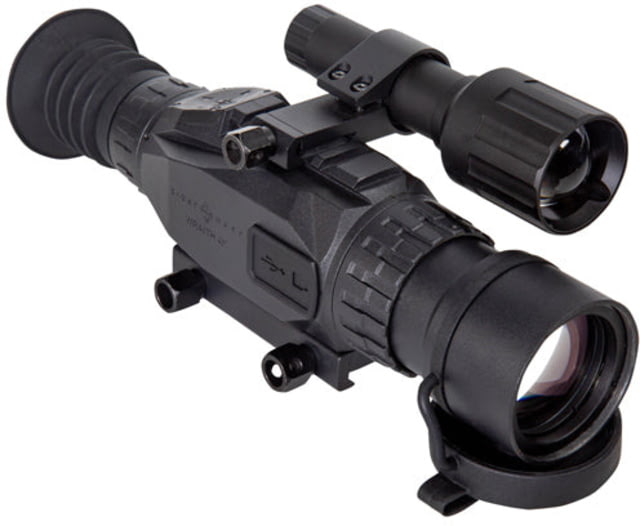
Sightmark Wraith 4K
Digital day and night riflescope with a removable IR light. The budget hog setup; detail fades past about 75 yards, and a stronger IR light is the best upgrade.
8 deg view · 34 oz
See through it$500 to $800
In stock from $428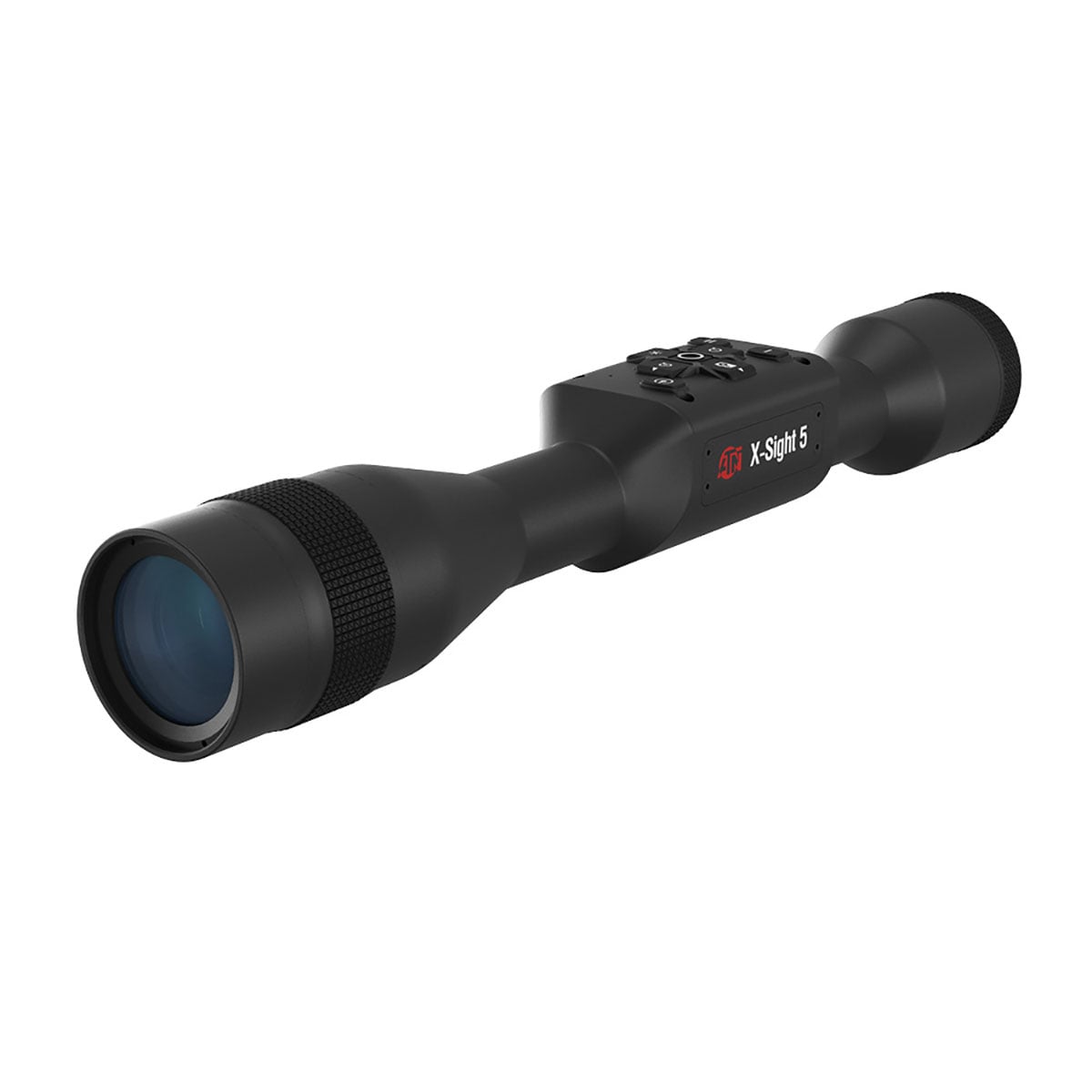
Digital · scope
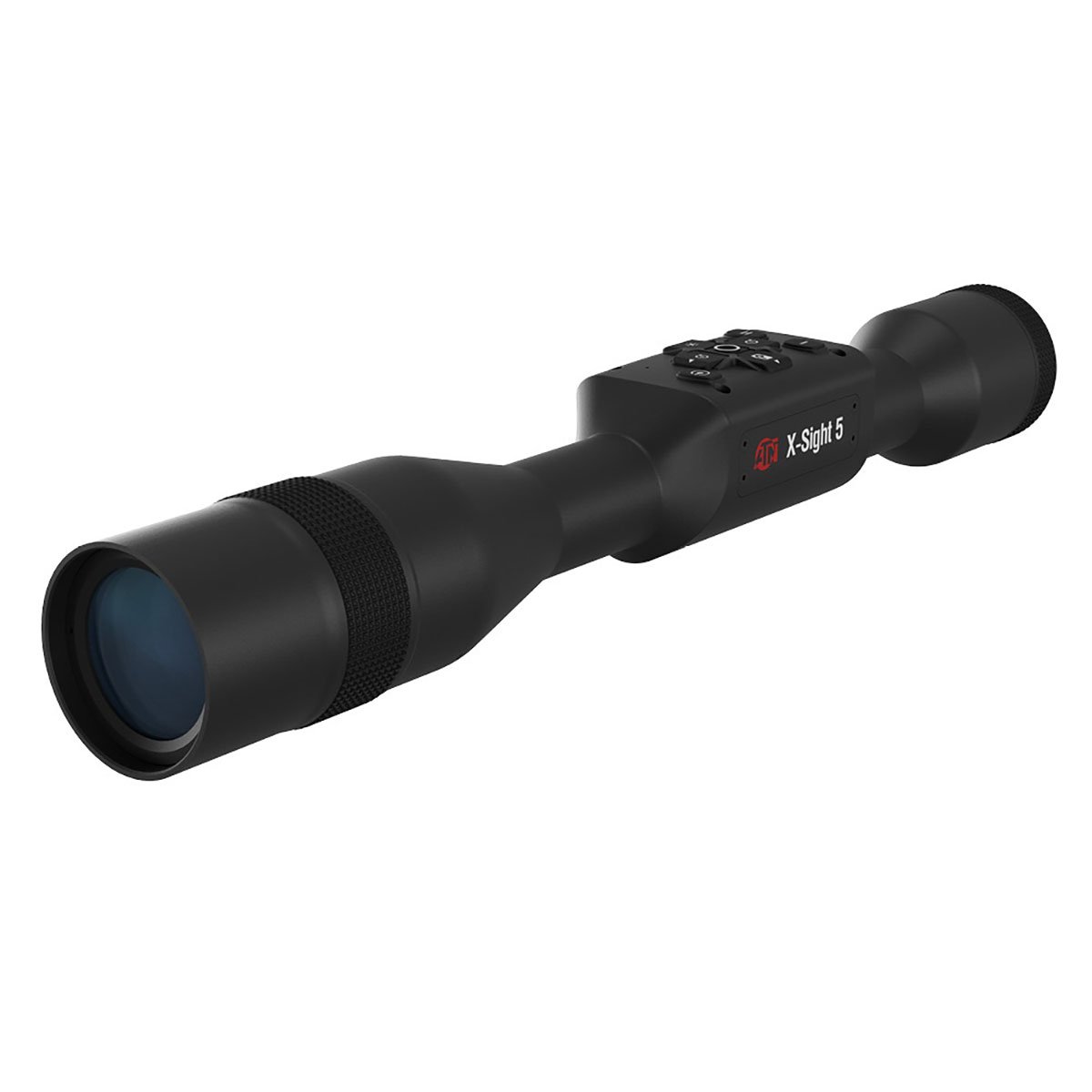
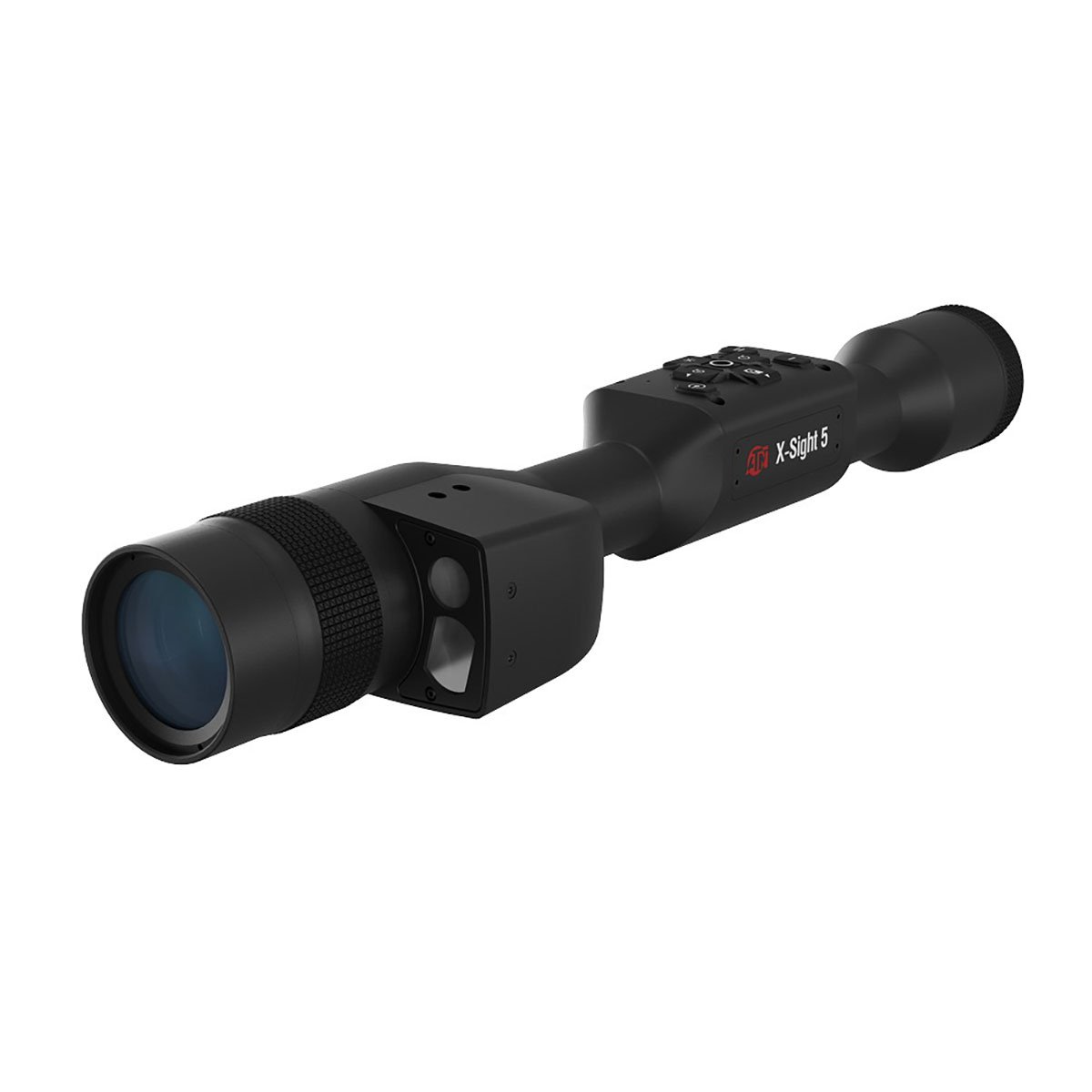
ATN X-Sight 5
Digital scope with ballistic reticle and video recording.
10 deg view · 34 oz
See through it$650 to $1,000
In stock from $599
Thermal WH · scope
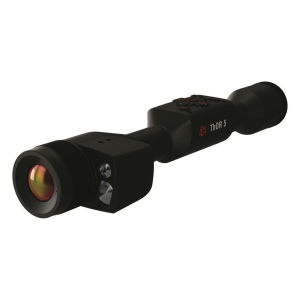
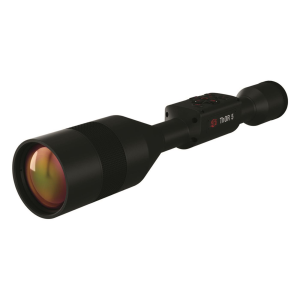
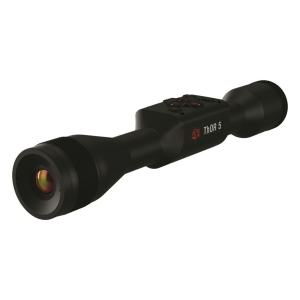
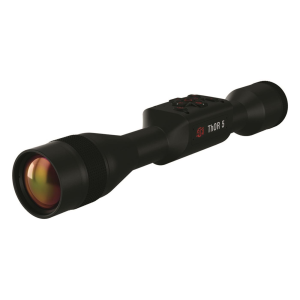
ATN ThOR 4 / ThOR 5
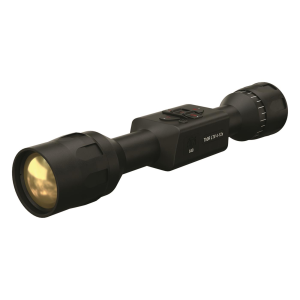
Smart thermal riflescope, 384 or 640 sensor, video and rangefinder versions.
12 deg view · 32 oz
See through it$1,300 to $5,500
In stock from $689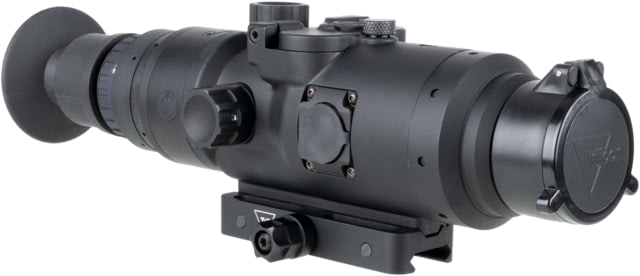
Thermal BH · scope
Trijicon IR Hunter / REAP-IR
Built like a duty optic. 640 sensor on the current models.
10 deg view · 36 oz
See through it$4,500 to $9,000
In stock from $3,504
Thermal WH · handheld
Pulsar Axion 2 / thermal monocular
Pocket thermal for scanning. Find it with heat, then confirm it with your eyes or NV.
17 deg view · 9 oz
See through it$1,000 to $3,500
In stock from $1,680Fusion · binocular
AN/PSQ-42 ENVG-B
The Army's fused goggle: two white phosphor tubes with a thermal overlay, so warm targets pop out of the night vision picture.
40 deg view · 40 oz
See through itMilitary only
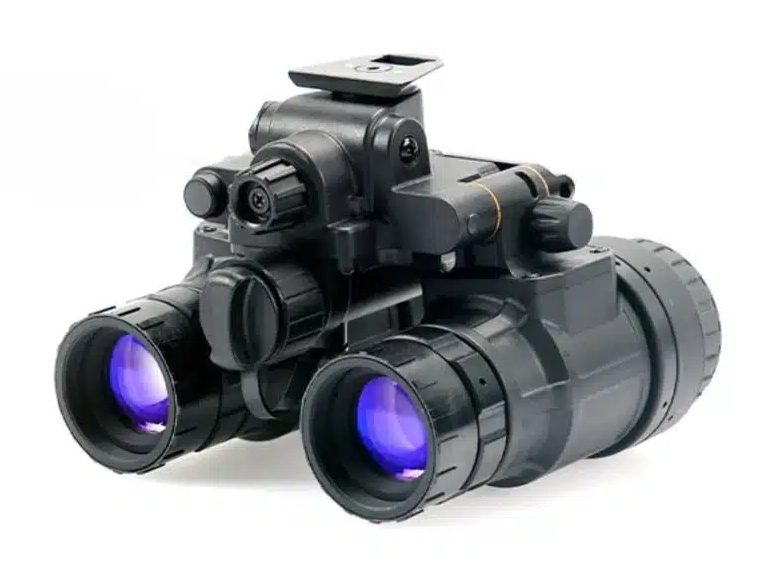
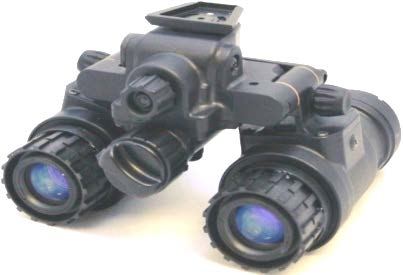
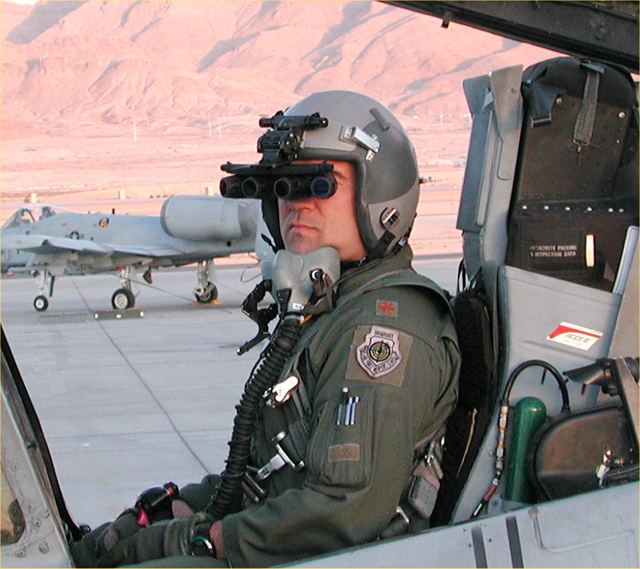
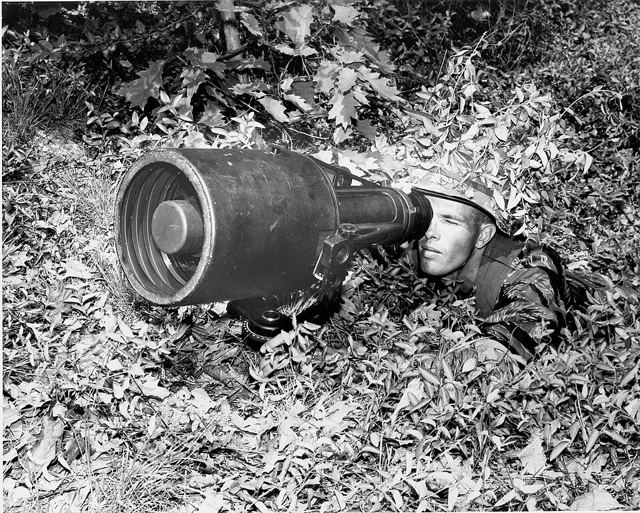
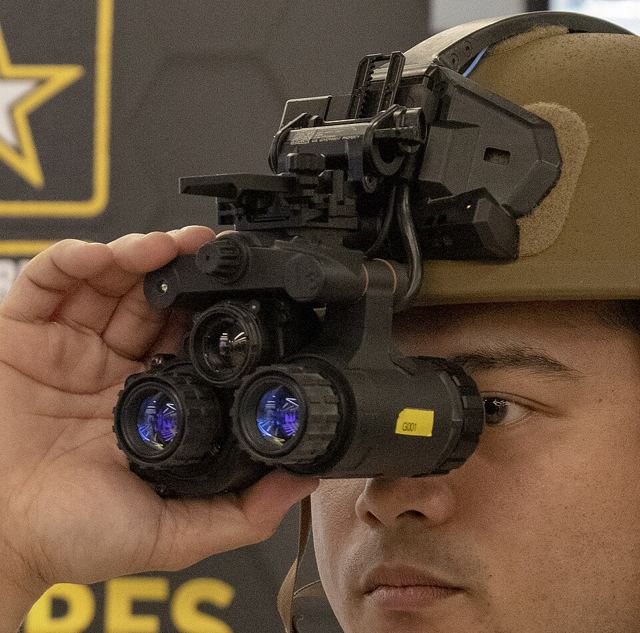
Night vision generations: Gen 1 vs Gen 2 vs Gen 3 vs digital vs thermal
| Type | Resolution | Needs | Looks like | Typical price |
|---|---|---|---|---|
| Gen 0 | Active IR, about 20 lp/mm | Its IR lamp, always | The first night vision, from World War II to Vietnam. Sees almost nothing on its own: it needs its big IR lamp, which anyone with night vision can see. | Collector item |
| Gen 1 | 25 to 40 lp/mm | Moon or IR light | Cheap tube. Bright in the middle, soft and dim at the edges, needs an IR light below a half moon. | $150 to $500 |
| Gen 2 | about 30 to 40 lp/mm | A moon | The first microchannel plate tubes, from the 1970s and 80s. Sharp in the middle, grainy and dim once the moon is down. | $800 to $1,500 used |
| Gen 2+ | 51 to 64 lp/mm | Starlight | Photonis Echo class tube. Clean, tight halos around streetlights and headlights; falls behind Gen 3 only on dark rural nights. | $1,500 to $2,800 |
| Gen 3 green | 64 to 72 lp/mm | Starlight | Gallium arsenide tube, the PVS-14 standard. Works by starlight, small halos. | $2,800 to $4,000 |
| Gen 3 white phosphor | 64 to 72+ lp/mm, FOM 1800+ | Starlight | Same tube class with a white screen, autogated and usually thin filmed. Reads more like a black and white photo. | $3,200 to $4,800 |
| Gen 3 filmless, autogated | FOM 2,000 to 2,600+ | Starlight | The top of the tube market, often sold as Gen 3+ or "Gen 4": no ion film, so more light gets through, and autogating keeps a bright light from blooming. | $3,800 to $6,000 |
| Fusion (tube + thermal) | Gen 3 tube plus a thermal overlay | Starlight, plus heat | A white phosphor tube with a thermal sensor laid over it, like the Army's ENVG-B. You see the ground like night vision and warm bodies light up on top. | Military only; civilian fusion from $8,000 |
| Digital night vision | CMOS, 1080p to 4K sensor | IR light below a half moon | A camera sensor and a screen. Fine at dusk, leans on its IR illuminator once it gets dark. | $400 to $1,200 |
| Color digital night vision | Colour CMOS sensor | IR light below a half moon | A very sensitive colour camera, like the SiOnyx Aurora. Shows real colour at dusk and under a bright moon, fades to grainy grey when it gets dark. | $500 to $1,500 |
| Thermal, white hot | 384x288 or 640x512, 12 micron | Nothing, sees heat | Sees heat, not light. Works in total darkness. People and animals glow, trees and sky go dark. | $1,200 to $8,000 |
Red dots, holos and IR lasers that work with night vision
A tube looks straight through your red dot, so the dot has to go dim enough. These are the optics people run behind night vision, how many night vision settings each has, and what it looks like.
Red dot · 4 NV settings
Aimpoint Micro T-2
4 night vision settings. The small, tough dot most helmet NV users end up with.
Red dot · 4 NV settings
Aimpoint CompM5
4 night vision settings, AAA battery, the Army's current M68 family.
$900 to $1,100See it under NVHolographic · 10 NV settings
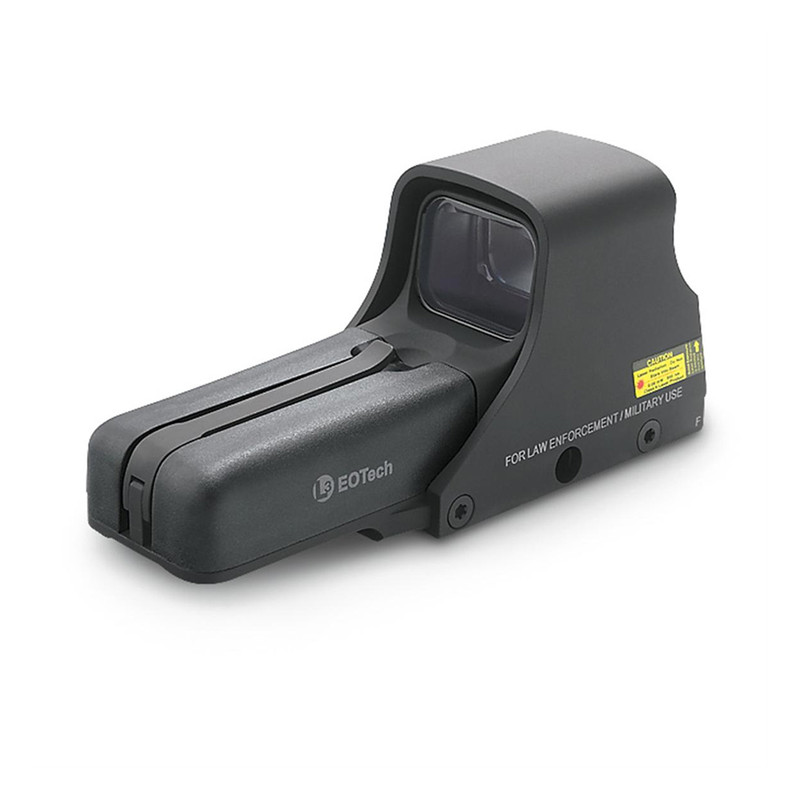
EOTech EXPS3
10 night vision settings and a 68 MOA ring that frames targets fast under NV.
Circle dot · 2 NV settings
Holosun HS510C
2 night vision settings, 65 MOA circle and 2 MOA dot, solar backup.
Red dot · 2 NV settings
Trijicon MRO
2 night vision settings and a big window.
Red dot · 2 NV settings
Vortex SPARC AR
The budget dot with 2 night vision settings.
$200 to $250See it under NVRed dot · No NV setting
Budget red dot, no NV setting
Even the lowest setting blooms in a tube: the gain drops and the rest of the scene goes dark.
$40 to $120See it under NVLow power scope · No NV setting
LPVO at 1x
Hard to get behind with a helmet NVG and most are too bright on their lowest setting. LPVO shooters usually run a clip-on instead.
$300 to $2,500See it under NVIR laser · Seen only under NV
PEQ-15 style IR laser
Active aiming: invisible to the eye and to thermal, a bright dot and beam under night vision.
Night vision in stock
From a few hundred dollars of digital up to Gen 3 tubes. Pick a budget, then see what that money looks like through the device.
In stock first, then the listings people open most, plus the cheapest.

Dog or coyote on thermal?
Hunters admit they mix them up. Two animals at the pixel count a real thermal sensor puts on them: pick the range and the sensor, then pick the coyote.
About 14 pixels across each animal at 200 yards on a 384 sensor, 12 degree lens
Which one is the coyote? Tap it.
Thermal scopes and monoculars in stock
In stock first, then the listings people open most, plus the cheapest.
Night vision comparisons
- Gen 2 vs Gen 3 Night VisionGen 2+ on the left, Gen 3 on the right, in the same dark field under starlight. Drag the split, turn the moon down and see where the extra money goes: light gathering, sparkle and halos.
- White Phosphor vs Green Phosphor Night Vision ComparedThe same Gen 3 tube class with a green screen on the left and a white one on the right, in a forest under a quarter moon. See how each one renders shadows, trees and a person in the dark.
- Thermal vs Night VisionNight vision on the left, thermal on the right, in a camp at night. A person is standing in the scene. See which one finds them first and which one tells you more about the ground around them.
- Gen 1 vs Gen 3 Night VisionA $300 Gen 1 monocular on the left and a Gen 3 tube on the right in a pine forest under a quarter moon. See the soft edges, the dim corners and the need for an IR light.
- Digital vs Analog Night VisionA digital night vision scope on the left and a Gen 3 tube on the right in an open field. Switch the IR illuminator on and off to see why digital leans on it once the moon is down.
- What Night Vision Shows That Your Eyes CannotYour dark adapted eye on the left and a Gen 3 white phosphor tube on the right in moonless desert under starlight. Slide the split to see what the tube pulls out of the dark.
- $500 Digital Night Vision vs a $3,600 PVS-14A $500 digital night vision scope with its IR light on the left, a Gen 3 white phosphor PVS-14 on the right, on a country lane under starlight. See what the extra $3,000 buys.
- Night vision simulatorEvery device, scene and light level.
How the night vision simulator works
Every scene is a real 360 degree photo. Daytime photos are darkened to the light level you pick, with the sky dimmed and stars added, then each device is drawn on top: how much light it gathers, how sharp it is, how much it sparkles when light runs short, how big the halo is around a bright light and what colour the screen is.
Tubes and night vision cameras see near infrared as well as visible light, and leaves reflect a lot of it, which is why trees glow under night vision. The simulator brightens foliage the same way. Thermal is drawn from what each surface usually does after dark: sky is cold, road and stone hold the day's heat, leaves run cooler and people are the hottest thing in the frame.
The 3D walk uses the same device model on a rendered farm: moonlight, sky glow and the yard lamps are lit in real lux, the IR illuminator is its own light only tubes and cameras see, and thermal reads a heat value per surface that fades with distance.
It is an illustration, built so the differences between generations are easy to see. Real tubes vary unit to unit, and a photo never matches a dark adapted eye. Use it to decide which class fits your night, then judge a specific device by its spec sheet: resolution, signal to noise and figure of merit.
Frequently Asked Questions
Is thermal or night vision better for hogs?
Thermal to find them, night vision to identify and shoot. On one budget, thermal finds more hogs; digital with a strong IR light gives a clearer picture of the one in front of you.
What thermal can I get for $1,000?
A 256 or small 384 sensor scope or monocular. Good for spotting heat out to a few hundred yards, short on detail beyond about 150.
Does fog or humidity affect thermal?
Yes. Humid nights soften a thermal picture and fog cuts its range; fog is worse for night vision with an IR light, which lights the fog up in front of you. Try the weather setting in the simulator.
What is the difference between Gen 1, Gen 2 and Gen 3 night vision?
How much light the tube gathers and how sharp it is. Gen 1 is a simple amplifier: bright in the middle, soft at the edges, and it needs a bright moon or its IR light. Gen 2 adds a microchannel plate, so it is sharp edge to edge and usable under a quarter moon. Gen 3 adds a gallium arsenide photocathode that gathers far more light, which is what makes starlight alone enough.
Is white phosphor better than green phosphor?
Not sharper, just different. Both use the same Gen 3 tube class and resolve about the same detail. White phosphor reads like a black and white photo; green is the classic look and usually costs a little less. Users are split on which is easier on the eyes, so try both if you can.
Can night vision see in total darkness?
No. Tubes and digital night vision amplify light that is already there, mostly starlight, moonlight and sky glow. In a closed room or deep woods on an overcast night they need an infrared illuminator. Thermal is the one that works in total darkness, because it sees heat, not light.
Is thermal better than night vision?
For finding a warm target, yes: a person or animal glows against cold ground and leaves. For moving around, reading terrain and identifying who you are looking at, night vision wins, because thermal shows no texture, faces or text. Many hunters scan with thermal and confirm with night vision.
Is digital night vision worth it?
For a hog or coyote rifle on a budget, often yes. A digital scope costs a fraction of a tube and records video, but it relies on its IR light once the moon is down and the image is grainier and laggier than Gen 3. It is not a head mounted device for walking around.
Why do trees glow under night vision?
Leaves reflect a lot of near infrared light, and night vision tubes and cameras are sensitive to it. Grass and trees come out brighter than they look to the eye, which helps a person in dark clothing stand out against them.
Can I walk around in night vision?
Yes. Pick Walk in 3D above the view: a farm at the edge of a forest with four people, three hogs, a deer and a coyote out there between 70 and 230 metres away. Walk with W A S D or the arrows, switch devices as you go and tap anyone you spot. Hogs are dark shapes under night vision and glow on thermal, which is the whole argument for thermal on a hog rifle. Pick Your street to walk your own road on Google Street View with the same night vision look laid over it.
How accurate is this simulator?
It is an illustration built on real 360 degree photos and typical published device specs. The gaps between generations are what it is for: light gathering, sharpness, sparkle and halos. Real tubes vary unit to unit, so judge a specific device by its spec sheet.
Cite this tool: GunPartPicker, “$1,000 for Hogs: Digital Night Vision vs Thermal”, https://gunpartpicker.net/tools/night-vision-simulator/hog-hunting-digital-vs-thermal. Panoramas from Poly Haven (CC0), device data from manufacturer specs. Free to cite with attribution.
More Gun Tools
- PlanningAR Build Cost CalculatorHow much does it cost to build an AR-15? Pick caliber, barrel length, stock or brace and optic, then drag both edges of the price band from the cheap end to the top end. Every slot fills with the part builders add most that is in stock, priced live. The headline total is the core rifle, optics and extras are priced separately, and beside them sits what builders really pay per slot, measured from real part picks. Roll a random build, or open yours in the builder in one click. Computed from over 1 million AR parts selected on GunPartPicker since 2020.
- LegalBarrel and Overall Length CheckerEnter barrel length, muzzle device and how the back end is configured, and see whether the build is a rifle, a short barreled rifle, a pistol or an AOW under federal law, with the barrels in stock at that length.
- LegalGun Travel CheckerCan I bring my gun to another state? Pick where you start, where you are going and what is coming along: carry pistol, AR-15, magazines, suppressor, SBR, brace, forced reset or binary trigger, hollow points. Every state on the route is checked for transporting firearms across state lines: magazine limits, assault weapon bans, NFA rules, carry permit type and trigger bans, with what to do before the state line.
- CompatibilityMuzzle Thread CheckerPick your barrel's caliber and platform, get the standard thread pitch, and see every muzzle device and suppressor in the catalog that actually threads on, with live prices.
- CompatibilityFRT and Binary Trigger PickerChoose your platform and see every forced reset trigger, binary trigger and Super Safety the catalog carries for it, what the host needs to run one, and where each is in stock.
- CompatibilityGlock Red Dot Fit CheckerPick how your Glock slide is cut and see which red dots mount directly, which need a plate, and the plates and optics in stock right now.
- CompatibilityGlock Size ComparisonPick any two Glocks and see them to scale as real photos sized to Glock's published dimensions, side by side, from behind and as an X-ray, with the difference in length, height, width and weight in one line and the pistols in stock for each.
- CompatibilityP385 Size ComparisonSee the SIG P385 CARRY, COMP and FULL to scale against the P365-XMACRO, the P320 and the Glock 19, 17, 45 and 43X, as real photos sized to the published length and height, with every dimension and where to order one.
- Paint plannerGun Paint PlannerRattle can guns online before you spray. Paint, stencil and camo a real photo of over 400 guns: AR-15s, AR-10s, AR-9s, AKs, every Glock, pistols, shotguns and bolt action rifles, the way the rattlecanned guns on r/rattlecannedguns are done, with Krylon, Rust-Oleum, Aluma-Hyde, DuraCoat and Cerakote colors, then get the cans to buy in spray order.
- TuningTwist Rate CalculatorPick a bullet and a twist rate, get the Miller stability factor, then see barrels with that twist and ammo loaded with that bullet, with today's price per round.
- TuningBuffer Weight CalculatorEnter your gas system, barrel length, buffer tube and ammo, add a suppressor or a fast trigger, and get the buffer weight to start with plus the buffers in stock that match.