Gun Tools/Tuning/Updated September 15, 2026
AR-15 Buffer Weight Calculator
Enter your gas system, barrel length, buffer tube and ammo, add a suppressor or a fast trigger, and get the buffer weight to start with plus the buffers in stock that match.
Quick answer
- A 16" barrel with carbine gas in a carbine tube starts with an H / H1 buffer (3.8 oz).
- Also common on this setup: Carbine (standard) and H2. 39 matching buffers are in stock in the GunPartPicker catalog.
Source: GunPartPicker catalog and build data, prices checked September 15, 2026
What buffer weight do I need?
A starting point from the gas length, barrel length and what is hanging off the muzzle and the trigger. The ejection pattern on the range has the final word; the table further down reads it.
Stamped on the barrel or in the listing. Measured from the chamber to the gas port.
Dwell time after the gas port is what sets how hard the system runs.
Buffer length follows the tube. Only the weight is a choice.
Start with
H / H1
3.8 oz
Also common
Carbine (standard)
3.0 oz
Also common
H2
4.6 oz
Tube
Carbine
Carbine, H, H2 and H3 all fit
- A 16" carbine gas barrel is the classic M4 layout, and H is the mil-spec answer for it.
H / H1 buffers in stock
Matched on the buffer weight in the listing. A mil-spec carbine spring is assumed; if you run a stronger spring, go one step lighter on the buffer.
Ranked by what builders add most, in stock first. One listing per model.

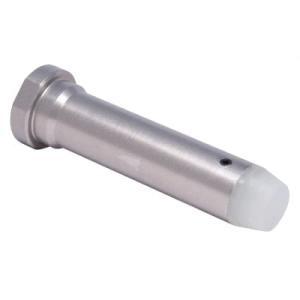
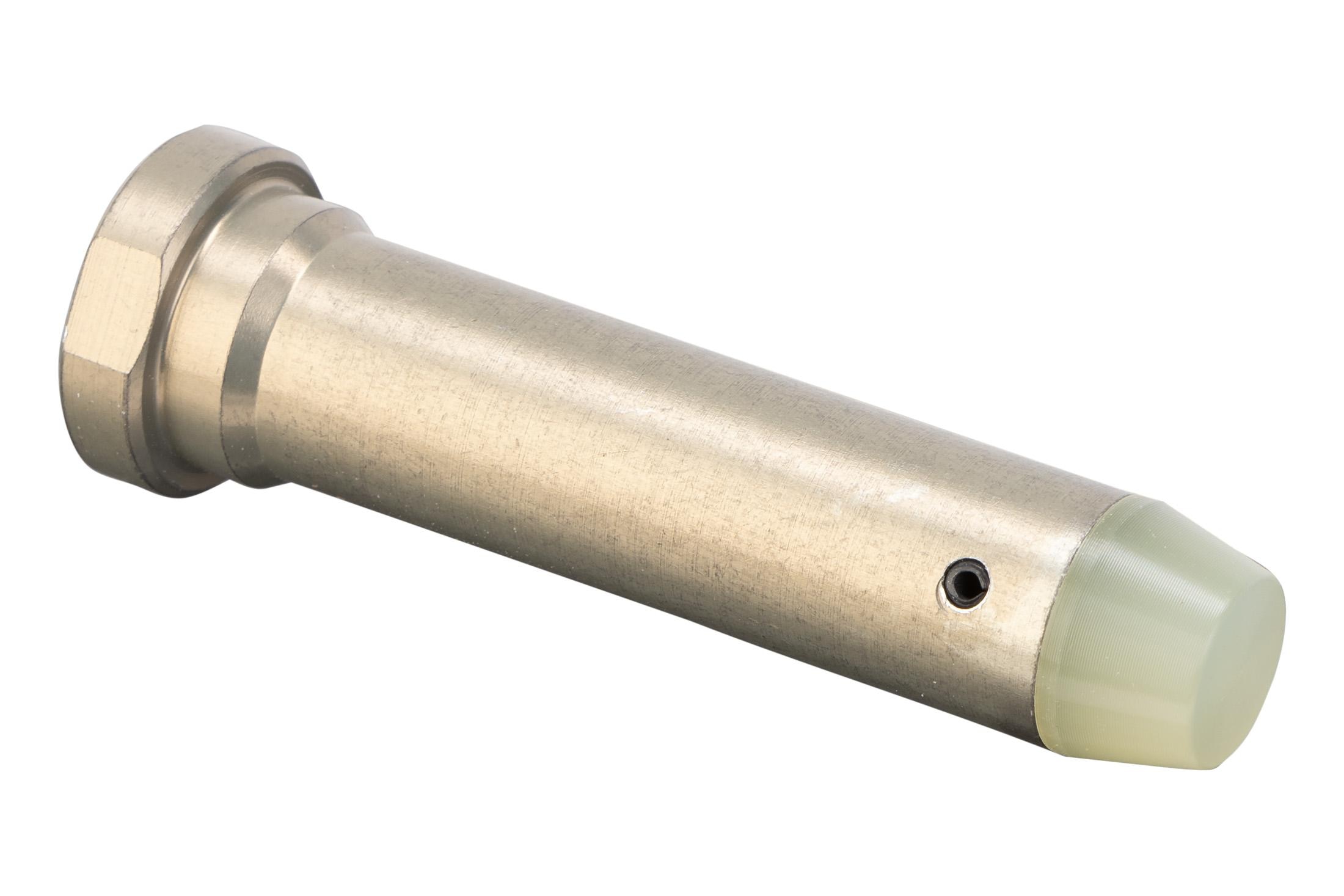
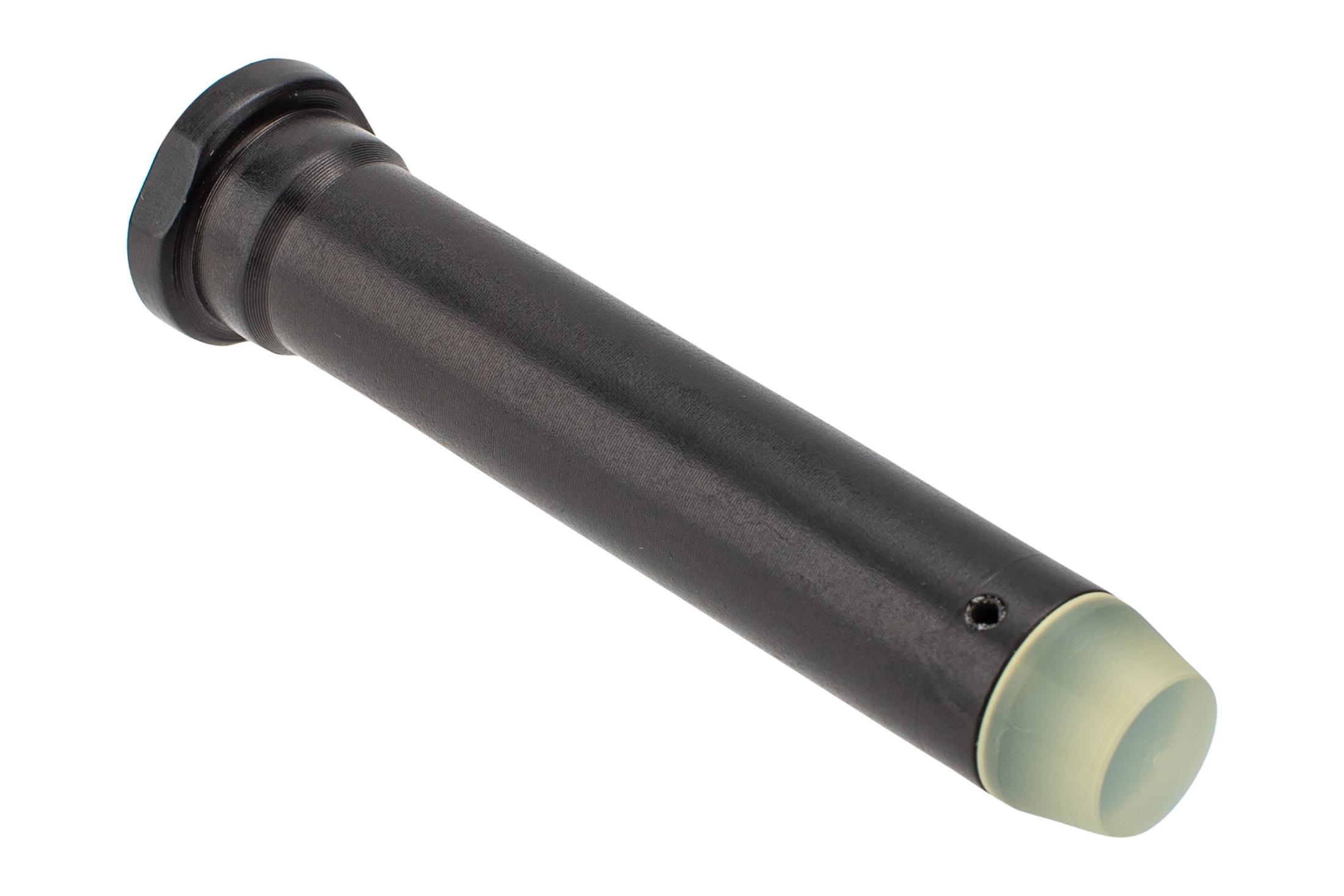

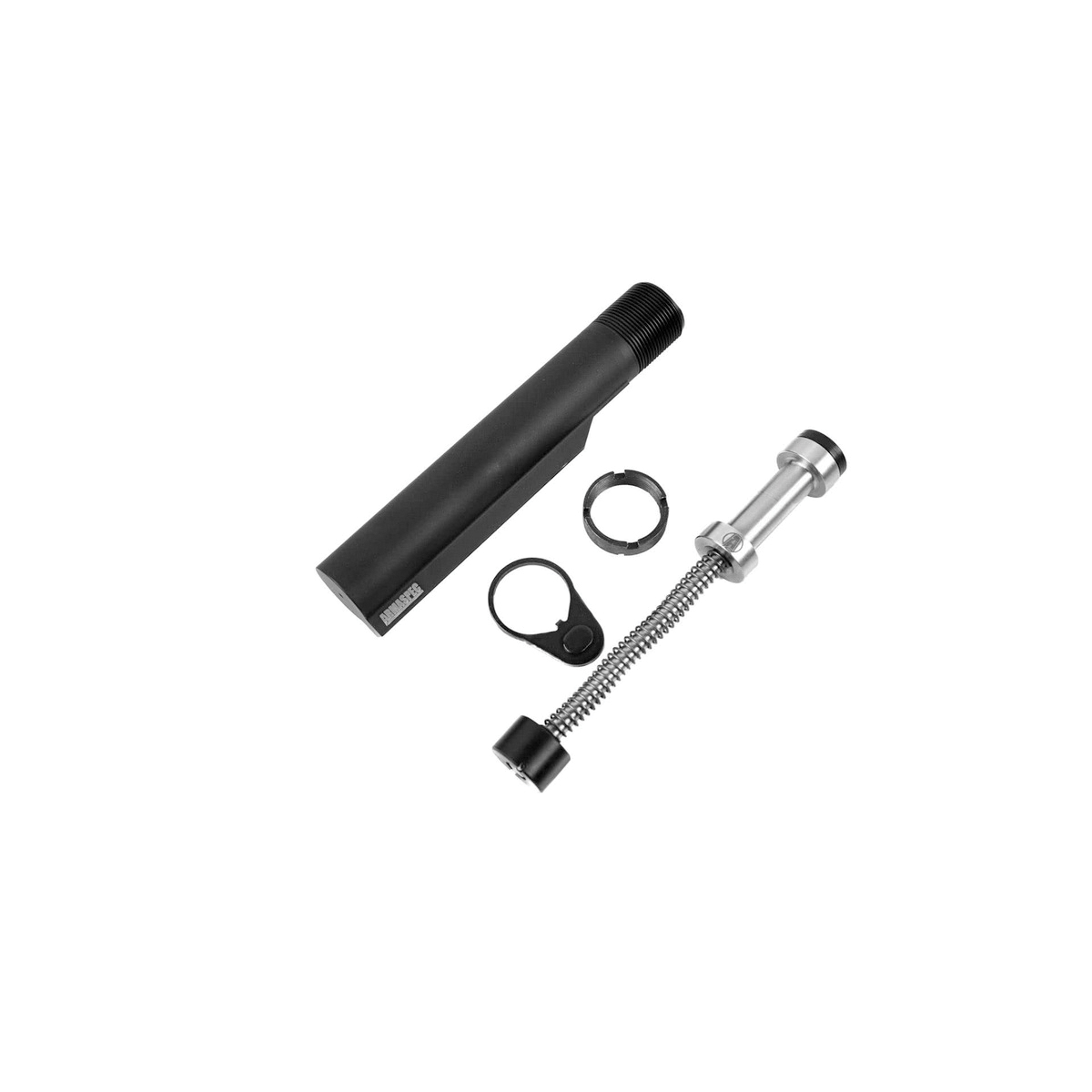
Carbine (standard) and H2 buffers
One step either side of the starting point. Buy the one the ejection pattern asks for after the first range trip.
Ranked by what builders add most, in stock first. One listing per model.
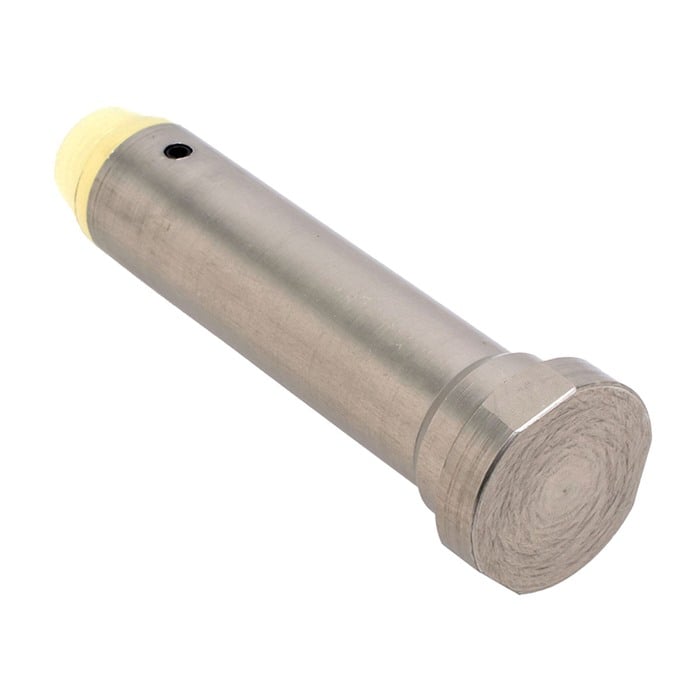


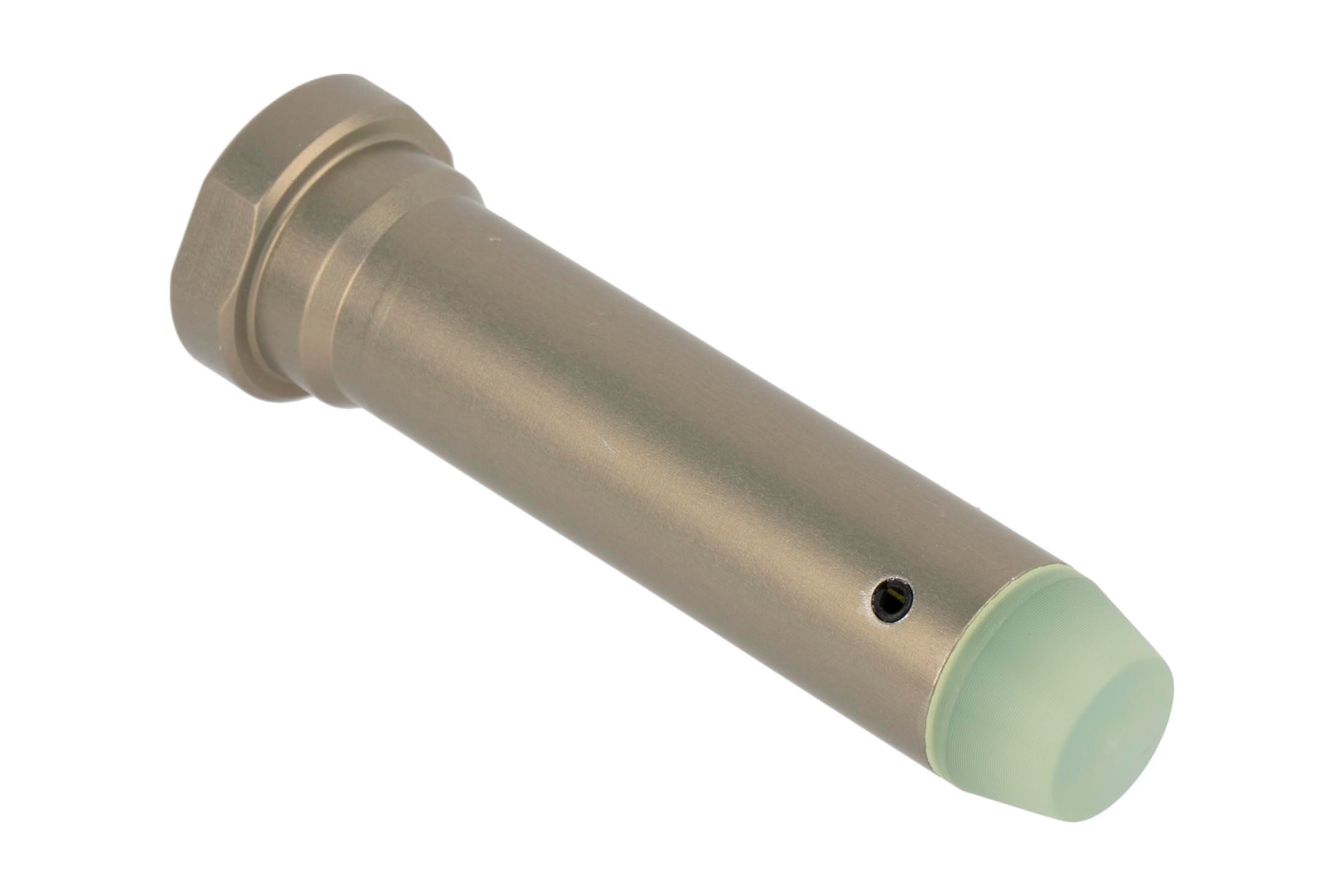

AR-15 buffer weight chart: carbine, H, H2, H3, rifle and A5
| Buffer | Weight | Tube | Typical use |
|---|---|---|---|
| Carbine (standard) | 3.0 oz | Carbine | 16" mid-length, rifle gas in a carbine tube |
| H / H1 | 3.8 oz | Carbine | 16" and 14.5" carbine gas, the mil-spec M4 answer |
| H2 | 4.6 oz | Carbine | Short carbine and pistol gas, suppressed 16", fast triggers |
| H3 | 5.4 oz | Carbine | Suppressed short barrels, fast triggers on gassy guns |
| Rifle | 5.0 oz | Rifle | Fixed stock rifles, rifle spring |
| A5H0 | 3.8 oz | A5 | A5 tubes with a rifle spring; A5H2 is the common start |
| A5H1 | 4.6 oz | A5 | A5 tubes with a rifle spring; A5H2 is the common start |
| A5H2 | 5.3 oz | A5 | A5 tubes with a rifle spring; A5H2 is the common start |
| A5H3 | 6.1 oz | A5 | A5 tubes with a rifle spring; A5H2 is the common start |
| A5H4 | 6.8 oz | A5 | A5 tubes with a rifle spring; A5H2 is the common start |
| 9mm / PCC heavy | 5.5 oz | Carbine | 9mm blowback, the only thing slowing the bolt |
AR-15 ejection pattern chart: overgassed or undergassed
Stand behind the gun and watch where the brass lands. Twelve o'clock is straight ahead, three o'clock is straight out the ejection port.
| What you see | What it means | What to do |
|---|---|---|
| Brass at 1 to 2 o'clock, dented cases, sharp recoil | Overgassed. The carrier is moving too fast. | Go one buffer step heavier, or close an adjustable gas block. |
| Brass at 3 to 4 o'clock, consistent pile | Tuned. Leave it alone. | None. |
| Brass at 5 to 6 o'clock, weak ejection, no lock back on empty | Undergassed or overbuffered. | Go one step lighter, check the gas block alignment and gas key screws. |
| Runs fine suppressed, short strokes unsuppressed | Buffer is set for the can. | Adjustable gas block, or accept a lighter buffer and more gas to the face suppressed. |
How buffer weight tunes an AR-15 gas system
The gas system pushes the carrier back. The buffer and spring decide how fast it goes and how hard it comes home. More mass slows the carrier both directions, which gives the magazine more time to lift the next round, keeps the bolt from bouncing on lock up, and softens the recoil impulse you feel. Too much mass and the carrier does not travel far enough to lock the bolt back or strip a round.
Every variable in the calculator is a proxy for gas volume and dwell. Longer dwell after the gas port (short gas system on a long barrel) means more gas and a faster carrier. A suppressor adds back pressure. A fast trigger does not change the gas at all, but it needs the carrier slower so the trigger can reset ahead of it. An adjustable gas block is the one control that reduces the gas itself instead of fighting it with mass.
Frequently Asked Questions
What buffer should I run in a 16 inch carbine gas AR-15?
Start with an H buffer at 3.8 ounces. If brass lands at 1 or 2 o'clock, or you add a suppressor, go to H2.
What buffer should I run in a 16 inch mid-length?
A standard 3.0 ounce carbine buffer or an H. Mid-length gas on a 16 inch barrel is the softest common setup and rarely needs more.
What buffer does a 10.5 inch pistol gas barrel need?
H2 as the starting point. Pistol gas on a short barrel is heavily gassed. Suppressed, H3.
How much do the buffers weigh?
Carbine 3.0 oz, H 3.8 oz, H2 4.6 oz, H3 5.4 oz. The rifle buffer is 5.0 oz and only fits a rifle length tube. The A5 series runs from 3.8 oz (A5H0) to 6.8 oz (A5H4) in an A5 tube.
Can I run a rifle buffer in a carbine tube?
No. It is too long. Carbine, H, H2 and H3 buffers fit carbine tubes; the rifle buffer and rifle spring fit rifle tubes; A5 buffers fit A5 tubes.
What are the signs of an overgassed rifle?
Brass thrown forward to 1 or 2 o'clock, dented case mouths, sharp recoil and a bolt that bounces on the way home. Go one buffer step heavier or close an adjustable gas block.
What are the signs of an undergassed rifle?
Weak ejection at 5 or 6 o'clock, failures to lock back on an empty magazine and short stroking. Go one step lighter and check the gas block alignment and gas key screws.
Do binary and forced reset triggers need a heavier buffer?
Yes. The carrier has to slow down enough for the trigger to reset ahead of it. H2 or H3 is the usual answer and it is the cheapest fix in the whole system.
Cite this tool: GunPartPicker, “AR-15 Buffer Weight Calculator”, https://gunpartpicker.net/tools/buffer-weight-calculator. Data from the GunPartPicker catalog and real community builds, prices checked September 15, 2026. Free to cite with attribution.
More Gun Tools
- CompatibilityFRT and Binary Trigger PickerChoose your platform and see every forced reset trigger, binary trigger and Super Safety the catalog carries for it, what the host needs to run one, and where each is in stock.
- LegalBarrel and Overall Length CheckerEnter barrel length, muzzle device and how the back end is configured, and see whether the build is a rifle, a short barreled rifle, a pistol or an AOW under federal law, with the barrels in stock at that length.
- LegalGun Travel CheckerCan I bring my gun to another state? Pick where you start, where you are going and what is coming along: carry pistol, AR-15, magazines, suppressor, SBR, brace, forced reset or binary trigger, hollow points. Every state on the route is checked for transporting firearms across state lines: magazine limits, assault weapon bans, NFA rules, carry permit type and trigger bans, with what to do before the state line.
- PlanningAR Build Cost CalculatorHow much does it cost to build an AR-15? Pick caliber, barrel length, stock or brace, optic and a price tier. Every slot fills with the part builders add most that is in stock, priced live, with the cheapest and median build beside it, real community builds that match, and one click to open it as a named build. Computed from over 1 million AR parts selected on GunPartPicker since 2020.
- CompatibilityMuzzle Thread CheckerPick your barrel's caliber and platform, get the standard thread pitch, and see every muzzle device and suppressor in the catalog that actually threads on, with live prices.
- CompatibilityGlock Red Dot Fit CheckerPick how your Glock slide is cut and see which red dots mount directly, which need a plate, and the plates and optics in stock right now.
- TuningTwist Rate CalculatorPick a bullet and a twist rate, get the Miller stability factor, then see barrels with that twist and ammo loaded with that bullet, with today's price per round.