An AR-10 looks like an AR-15 that has been photocopied at 115 percent. The controls are in the same places, it runs the same way, and if you can shoot one you can shoot the other.
Underneath, they share less than the resemblance suggests, and one difference costs people real money.
| Metric | Value |
|---|---|
| Carries over | Small parts |
| Does not | Anything structural |
| The real trap | No standard |
What actually interchanges
Usually carries over: trigger groups in many cases, pistol grips, safety selectors, and often the stock and receiver extension.
Never carries over: upper and lower receivers, barrel, bolt carrier group, barrel nut, handguard, magazines, buffer and anything that touches the cartridge.
The useful rule is that the small control parts you touch tend to interchange, and anything structural or anything that handles the round does not.
That means the parts you already own from an AR-15 build will contribute a little to an AR-10 build, and not much.
The pattern problem
This is the important part and it catches almost everyone once.
The AR-15 is effectively standardised. A lower from one maker takes an upper from another, and the parts fit. That is why the platform grew the way it did.
The AR-10 is not. There is no single specification. Two broad families dominate, commonly called the DPMS or LR-308 pattern and the Armalite pattern, and they differ in receiver dimensions, takedown pin spacing, barrel extension, handguard mounting and magazine compatibility.
They do not reliably interchange. A handguard cut for one will not fit the other. Some makers use their own proprietary dimensions on top of that.
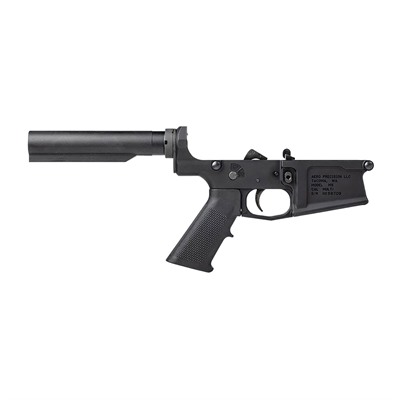
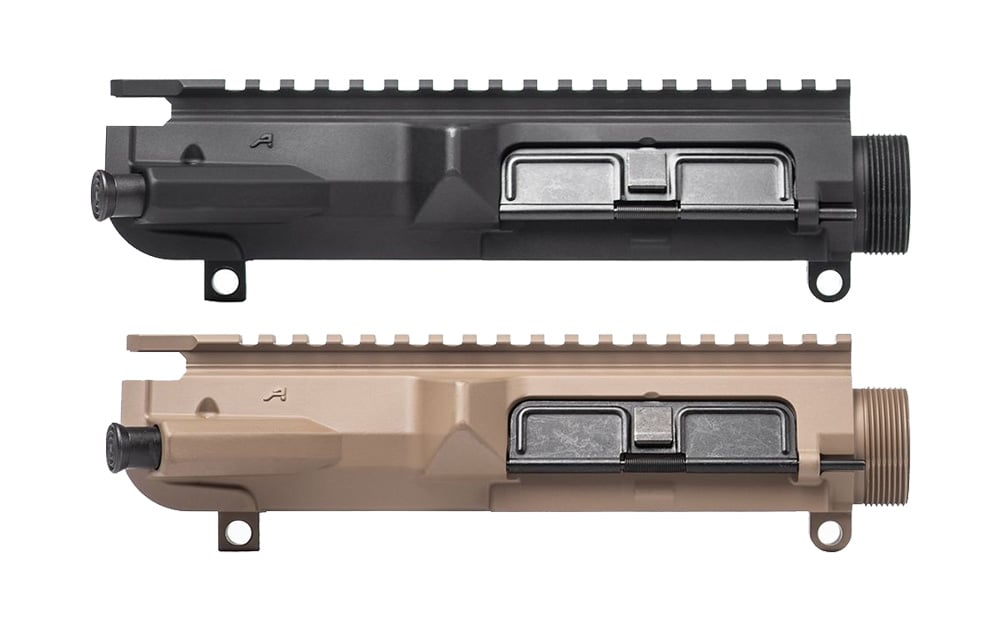
The practical advice is to buy a matched receiver set, ideally with the handguard from the same maker, and only then start selecting the rest. Aero Precision's M5 is the AR-10 platform GunPartPicker users search for most, and its lower, upper and handguard are sold as one pattern, which is exactly the point.

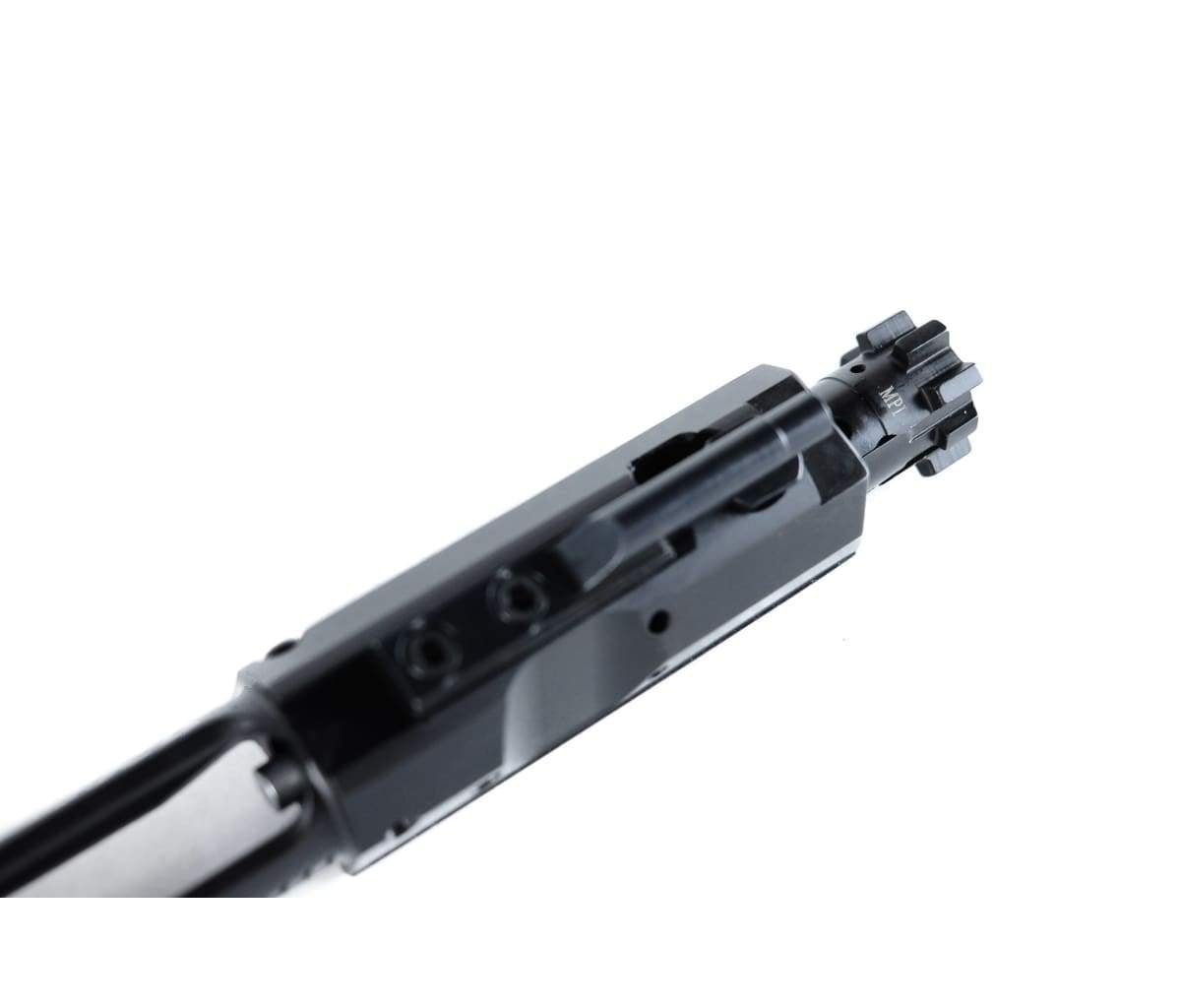
The bolt carrier group is the other part people try to reuse. It is a different size, and it has to match the barrel extension of your pattern.
What you gain
Reach and energy. .308 and 7.62 carry considerably more energy further, and stay useful well past where 5.56 becomes marginal. For hunting larger game, or shooting at distance, that is the entire point.
Barrier performance. Heavier bullets do better against intermediate obstacles.
Cartridge options. The larger action opens up 6.5 Creedmoor and other cartridges that suit distance shooting better than anything an AR-15 can chamber.
What it costs
Weight. Significantly heavier, and you feel it immediately. A loaded AR-10 with an optic is a different object to carry than a carbine.
Recoil. Noticeably more, which slows follow-up shots and makes new shooters worse rather than better.
Ammunition cost. Multiple times 5.56 per round, which directly reduces how much you practise.
Parts cost and availability. Smaller market, fewer options, higher prices, and the pattern problem narrowing your choices further.
Which should you build
Build an AR-15 if this is your first rifle, if you want one rifle that does most things, if budget matters, or if you want the widest parts selection. For the large majority of people this is the right answer, and the builds saved on GunPartPicker agree: AR-15s outnumber AR-10s many times over.
Build an AR-10 if you have a specific job an AR-15 cannot do: hunting larger game, shooting at genuine distance, or wanting .308 performance in a semi-automatic.
Do not build an AR-10 as a first rifle. The costs compound, the parts are fiddlier, and the pattern problem is much easier to navigate once you already understand how these rifles go together.
Gas systems are less forgiving
One practical difference worth knowing before you build: AR-10s are fussier about gas than AR-15s are.
The larger cartridge produces more gas, the operating parts are heavier, and the margin between reliable cycling and beating the rifle up is narrower. Add a suppressor and it narrows further.
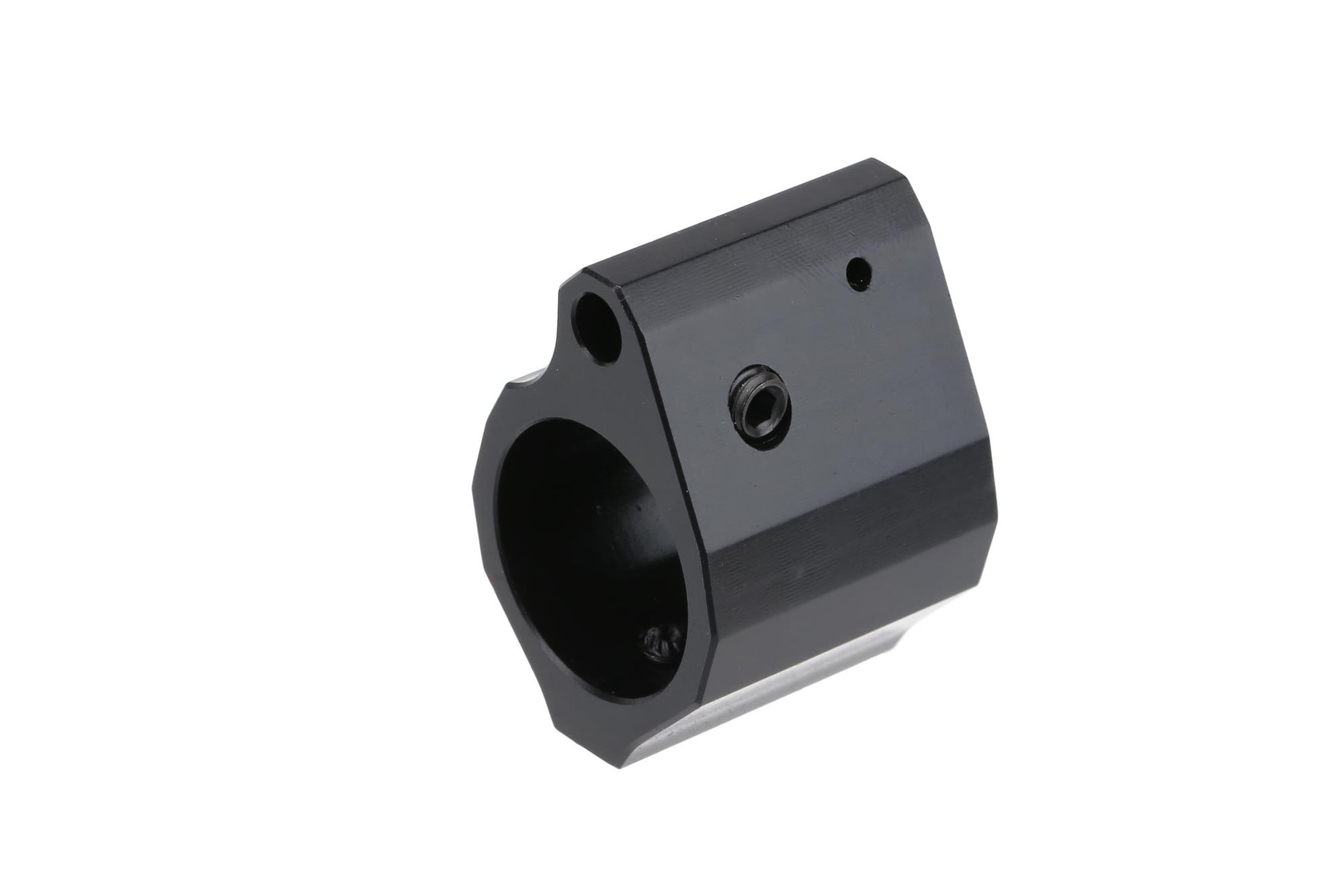
The result is that an adjustable gas block is much closer to standard equipment on an AR-10 than it is on a carbine. Plenty of factory AR-10s are shipped noticeably overgassed so they will cycle any ammunition, at the cost of harsh recoil and accelerated wear. Tuning that down is one of the highest-return changes you can make, and our gas block guide covers the approach.
The middle option people forget
If your reason for wanting an AR-10 is reach rather than energy, an intermediate cartridge in an AR-15 sized action is worth considering first. 6mm ARC and 6.5 Grendel extend useful range well past 5.56 while keeping AR-15 weight, AR-15 receivers and much of the AR-15 parts ecosystem.
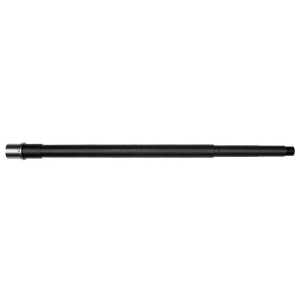
They cost more to feed than 5.56 and need a dedicated bolt and often specific magazines, but they are considerably cheaper and lighter than moving platform entirely. An 18" barrel in either cartridge drops into a standard AR-15 upper.

The short version
Small parts carry over, structural parts do not. Identify your AR-10 pattern before buying anything, and buy a matched receiver set and handguard together. Build the AR-15 first unless you have a specific reason not to.
Filed underAR-15/AR-10/.308 Win/Lower Receivers/Upper Receivers/Comparison/Explainer
FAQ
Frequently asked questions
Are AR-15 and AR-10 parts interchangeable?
- Only the small ones. Triggers, grips, safety selectors and often stocks carry over. Receivers, barrels, bolt carrier groups, handguards, buffers and magazines do not. The rule is that small control parts interchange and anything structural does not.
Is there an AR-10 standard?
- No, and that is the main trap. Two broad families dominate, commonly called DPMS or LR-308 and Armalite, and they differ in receiver dimensions, pin spacing, barrel extension and handguard mounting. Some makers add proprietary dimensions on top.
Which AR-10 pattern should I buy?
- Whichever your receiver set is, and identify it before buying anything else. The safest approach is to buy a matched receiver set and handguard from the same maker, then select the remaining parts around that known pattern.
Should my first rifle be an AR-15 or AR-10?
- AR-15, almost always. It is lighter, cheaper to feed, has a far wider parts selection and is effectively standardised. The AR-10's pattern problem is much easier to navigate once you already understand how these rifles assemble.
What does an AR-10 do better than an AR-15?
- Carries more energy considerably further, performs better against intermediate barriers, and opens up cartridges like 6.5 Creedmoor that suit distance shooting. For hunting larger game or genuine long range, that is the point of the platform.
Is there a middle option between AR-15 and AR-10?
- Yes. Intermediate cartridges like 6mm ARC and 6.5 Grendel extend useful range well past 5.56 while keeping AR-15 weight and receivers. They need a dedicated bolt and often specific magazines but cost far less than changing platform.
Written by
GPP Editorial TeamAR Build Specialists
GunPartPicker guides are powered by data from real builds — what builders actually select tells the story.
Read next
All guides → BUFFERS & RECOIL/09.24.26Extar EP9 MDB: Roller Delay in a Budget PDW
 MAGAZINES/09.23.26BCM9: The 9mm Carbine Bravo Company Teased and Never Priced
 BARRELS/09.22.26The Cheapest Complete AR-15 You Can Build Right Now
 TRIGGERS/09.25.26FRT vs Binary vs Super Safety: What Is Actually Different
 AR-15/03.22.26GunPartPicker: A PCPartPicker for Guns
 IRON SIGHTS/09.15.26What Builders Actually Mounted in 2026: LPVO vs Red Dot
 LOWER RECEIVERS/03.02.26AR-15 Lower Receiver Trends: 15,000+ Builds Analyzed
 LOWER RECEIVERS/08.12.26Colorado's New Gun Law (SB25-003): What Changed & What to Buy
Tools for this guide
- Compatibility toolMuzzle Thread CheckerPick your barrel's caliber and platform, get the standard thread pitch, and see every muzzle device and suppressor in the catalog that actually threads on, with live prices.
- Planning toolAR Build Cost CalculatorHow much does it cost to build an AR-15? Pick caliber, barrel length, stock or brace and optic, then drag both edges of the price band from the cheap end to the top end. Every slot fills with the part builders add most that is in stock, priced live. The headline total is the core rifle, optics and extras are priced separately, and beside them sits what builders really pay per slot, measured from real part picks. Roll a random build, or open yours in the builder in one click. Computed from over 1 million AR parts selected on GunPartPicker since 2020.
- Legal toolGun Travel CheckerCan I bring my gun to another state? Pick where you start, where you are going and what is coming along: carry pistol, AR-15, magazines, suppressor, SBR, brace, forced reset or binary trigger, hollow points. Every state on the route is checked for transporting firearms across state lines: magazine limits, assault weapon bans, NFA rules, carry permit type and trigger bans, with what to do before the state line.