Real build data, Q2 2026
Apr 1 to Jun 30, 2026Every ranking on this page comes from parts real builders added to their builds on GunPartPicker, Apr 1 to Jun 30, 2026. A pick counts each time a builder adds the part to a build in our builder, filed under the part's own category, and every count is rounded down. Prices and stock are checked daily across every store we track. No surveys, no search trends, no sponsored picks.
Quick picks
Live prices- 1
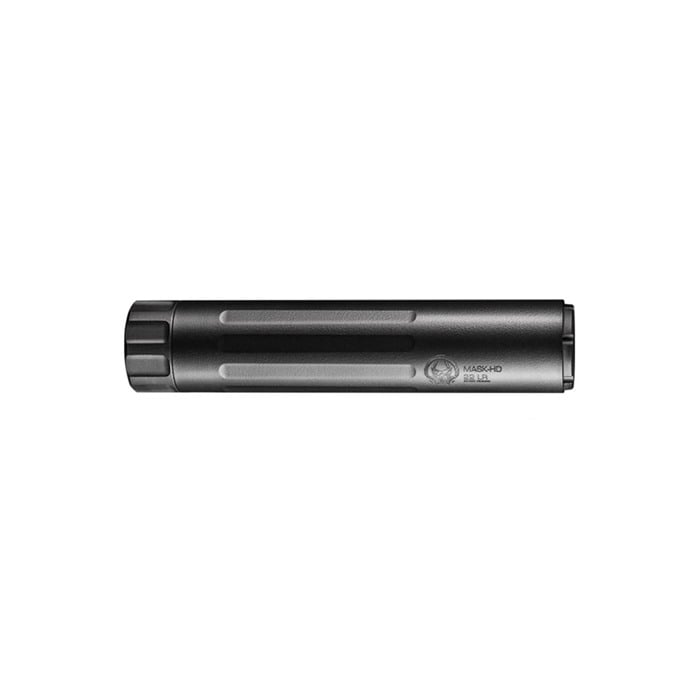 Most addedMask 22 Long Rifle Rimfire Direct Thread Suppressor FDE1 builder in Q2 2026/6 stores/In stock
 - 2
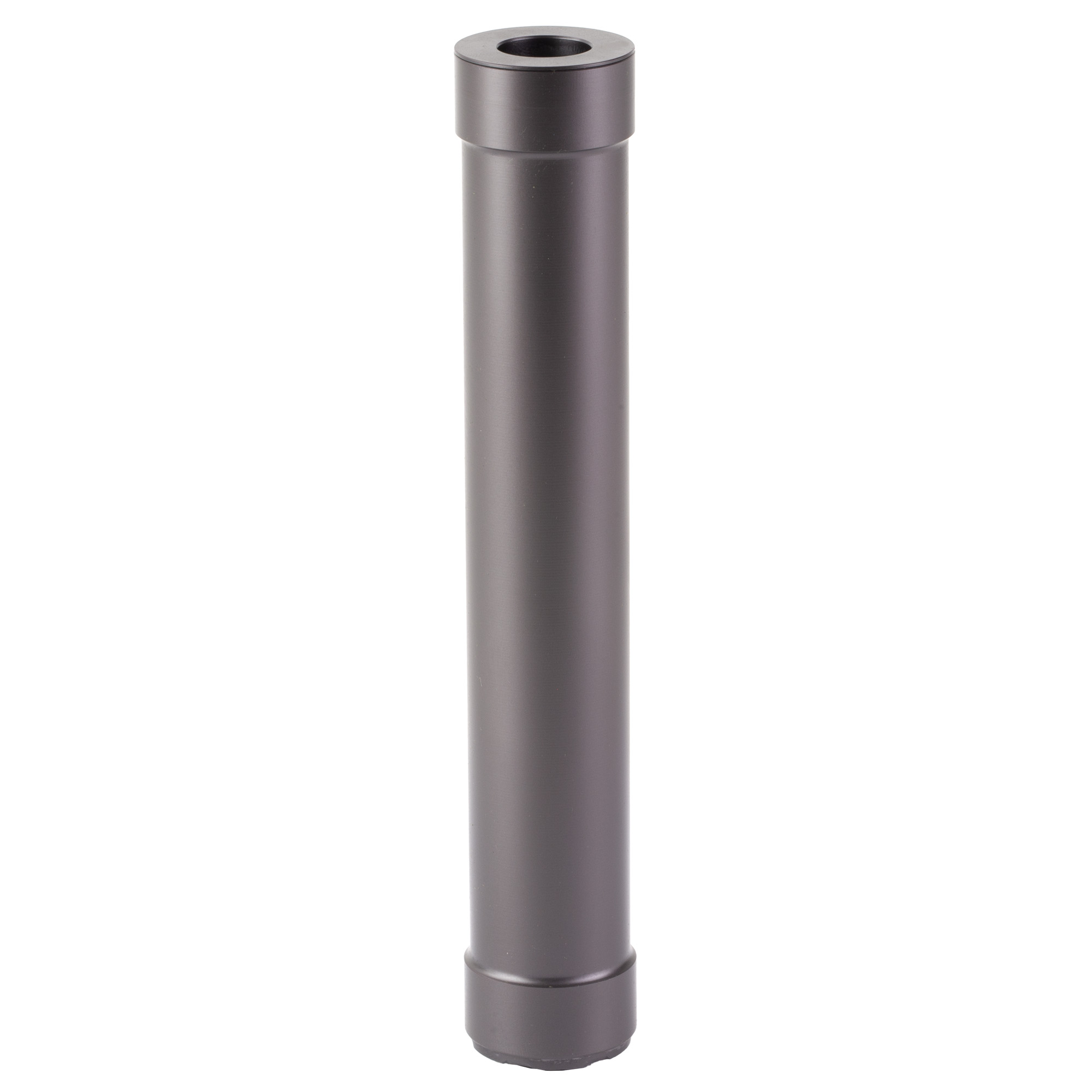
- 3
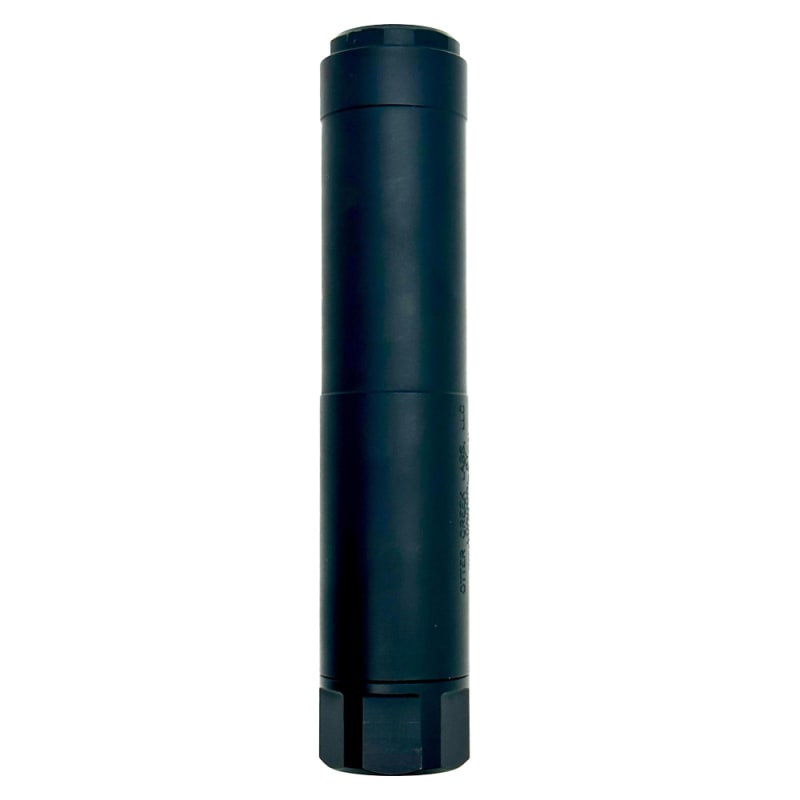
- 4
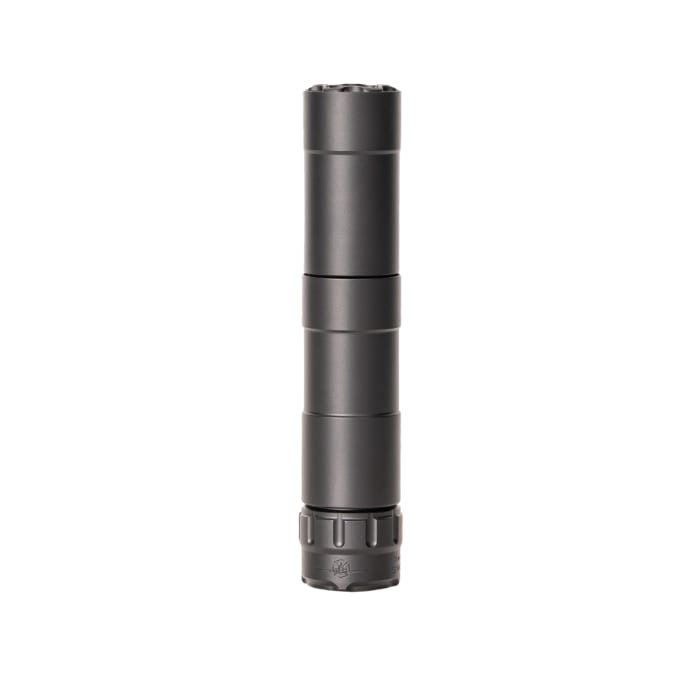
How we pick: ranked by how often builders added each part to a real build on GunPartPicker in Q2 2026, in stock parts first, then by tier. Prices and stock are checked daily across every store we track.
If you have never owned a suppressor, a rimfire can is the one to start with. It is the cheapest entry into the category, it goes on the cheapest ammunition, and the result is the quietest thing most people will ever shoot. A suppressed bolt action .22 with subsonic ammunition is quieter than the firing pin falling.
But rimfire cans have one characteristic that separates them completely from centrefire suppressors, and it should drive your entire purchase decision.
| Metric | Value |
|---|---|
| Buy for this | Takedown |
| Not the issue | Sound |
| Best value | First can |
| Check first | Host bore |
.22 LR is filthy, and the can has to come apart
Rimfire ammunition uses unjacketed lead bullets and a lot of wax lubricant, and it burns dirty. All of that ends up inside the suppressor.
A centrefire can is sealed and self cleaning enough that you will never open it. A rimfire can fills with lead, carbon and wax at a rate you would not believe until you open one. Left long enough the baffles weld themselves into a solid mass, the can gains noticeable weight, and it stops working properly.
So the single most important feature is serviceability. The suppressor must come apart, and the baffles must be removable and cleanable. A sealed rimfire can is a consumable with an expensive tax stamp attached.
When comparing options, look for a tool free or simple takedown, baffles that stack in an obvious order, and a design where the parts are individually replaceable. Some makers sell replacement baffle stacks, which effectively makes the can refurbishable forever.
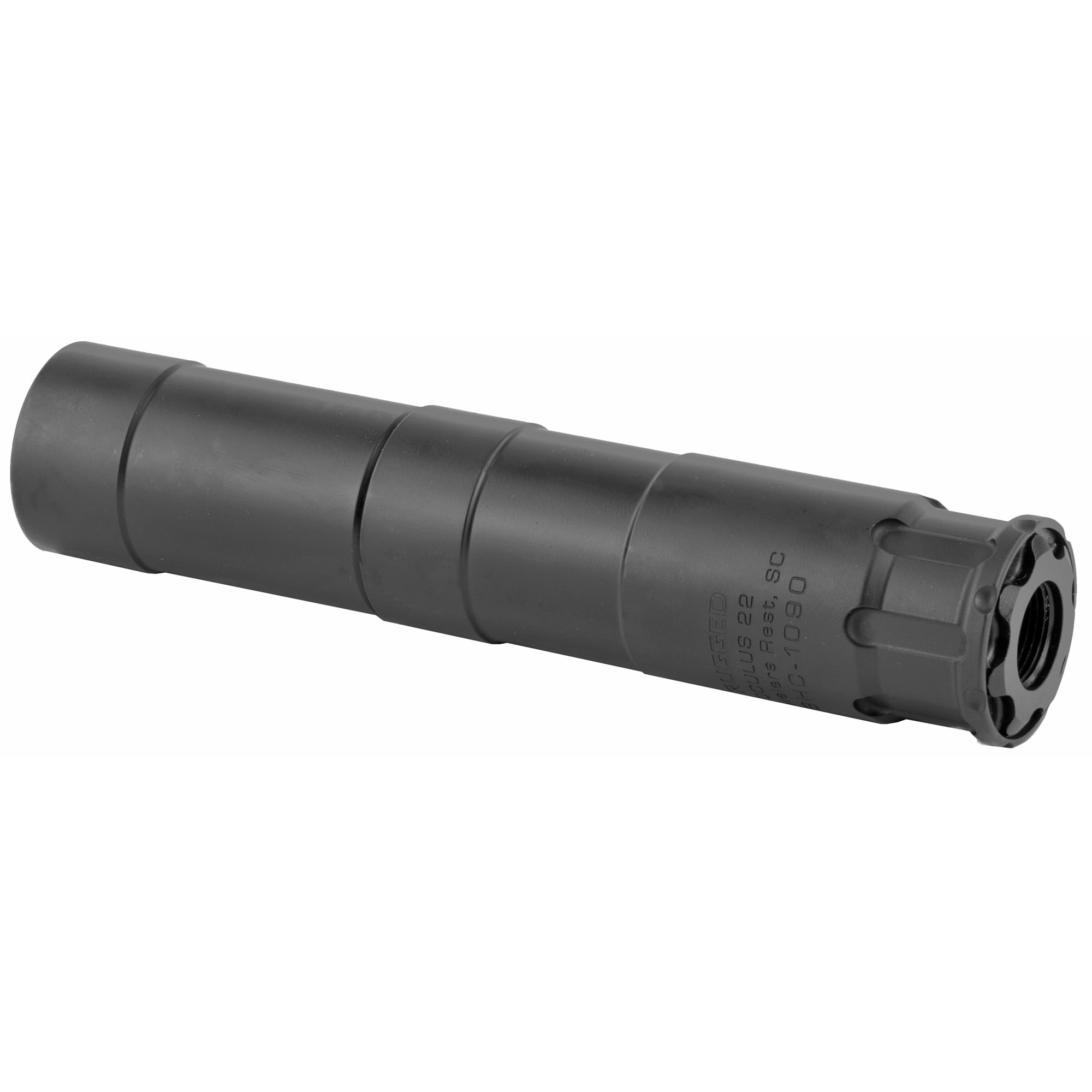
Picked by 1 builder in Q2 2026/In stock
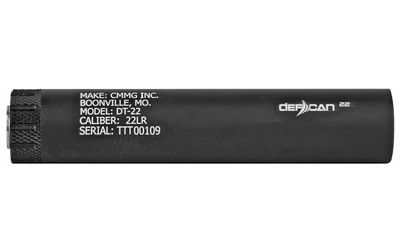
Weight matters more here than you expect
On a rifle, a few extra ounces of suppressor disappear. On a .22 pistol they do not.
Rimfire cans get used on light hosts, often pistols, and weight at the muzzle changes the gun's balance completely. A heavy steel can on a light pistol makes it unpleasant to hold up and slow to point.
Titanium and aluminium builds are dramatically lighter and are the right choice for pistol use. Stainless is heavier, cheaper and tougher, and it suits a dedicated rifle host where balance matters less.
There is a real trade here. The lightest cans are usually the ones you have to be most careful with in terms of what you feed them.
Check what else it is rated for
This catches people out, and it can wreck a suppressor.
A can rated for .22 LR only is built for a low pressure, low velocity cartridge. Plenty of rimfire suppressors are rated for considerably more: .22 Magnum, .17 HMR, and in some cases 5.7x28mm. Those are much higher pressure, and running them through a can that is not rated for it will damage it.
The other direction is worth knowing too. If you also own a .22 Magnum or a 5.7, buying a can rated for the whole range costs a little more and saves you an entire second tax stamp and wait.
Read the manufacturer's rating, not the calibre in the product name.
Sound is not the differentiator
Every decent rimfire suppressor is extremely quiet, and the differences between them are small enough that you are unlikely to pick them out by ear in normal use.
What changes the sound far more than the can does is the ammunition and the host.
- Subsonic ammunition is essential. Standard velocity .22 LR is usually subsonic already, but high velocity loads break the sound barrier and produce a crack the suppressor cannot touch. Buy subsonic on purpose.
- A bolt action or single shot is dramatically quieter than a semi automatic, because a semi auto's action cycling makes a mechanical noise of its own that no suppressor addresses.
A suppressed bolt .22 with subsonic ammunition is the quiet benchmark. The same can on a semi auto pistol sounds considerably louder, and that is the action, not the suppressor.
Mounting and hosts
Most rimfire cans are direct thread onto a 1/2x28 muzzle, which is the near universal threading for .22 rifles and pistols. That makes them easy to move between hosts, and one can will typically cover a .22 rifle, a .22 pistol and a conversion upper.
Two things to watch. Thread adapters are common on rimfire hosts and are a frequent source of misalignment, so check concentricity before firing. And pistol hosts that need a booster to cycle are a centrefire concern, not usually a rimfire one, because .22 pistols are straight blowback.
What we would actually buy
Your first ever suppressor. A serviceable, mid weight rimfire can on direct thread. It is the cheapest way to learn what the process involves, and you will shoot it more than anything else you own.
A dedicated .22 pistol. The lightest serviceable can you can find. Muzzle weight matters more than a decibel or two.
A collection with a Magnum or a 5.7 in it. Buy one can rated for the whole range. The extra cost is far less than a second transfer and a second wait.
Whatever you choose, buy one that comes apart. Everything else about a rimfire can is negotiable and that is not.
For the federal and state picture, and what changed recently, see our suppressor guide.
Filed underSuppressors/Suppressed/Buyer's Guide/Comparison
FAQ
Frequently asked questions
Do .22 LR suppressors need to be cleaned?
- Yes, far more than centrefire cans. Rimfire ammunition uses unjacketed lead and heavy wax lubricant and burns dirty, so the suppressor fills with lead, carbon and wax. Left too long the baffles can seize together permanently. Buy a can that comes apart and clean it on a schedule.
What is the most important feature in a rimfire suppressor?
- Serviceability. The can must come apart and the baffles must be removable and cleanable, ideally individually replaceable. Sound performance between good rimfire cans is very similar, so a sealed design is the one genuinely bad purchase in the category.
Titanium or stainless for a .22 suppressor?
- Titanium and aluminium are much lighter and are the right choice for pistol hosts, where muzzle weight changes the balance completely. Stainless is heavier, cheaper and tougher and suits a dedicated rifle. Light cans are often the ones with the tightest restrictions on what you can feed them.
Can I use a .22 LR suppressor on .22 Magnum or 5.7x28?
- Only if the manufacturer rates it for them. Those are much higher pressure cartridges and running them through a can rated only for .22 LR will damage it. If you own or plan to own those, buy a can rated for the full range and save a second transfer.
Why is my suppressed .22 still loud?
- Usually the ammunition or the host rather than the can. High velocity .22 LR goes supersonic and produces a crack no suppressor can remove, so use subsonic ammunition. A semi automatic action also makes mechanical noise of its own, which is why a suppressed bolt action is dramatically quieter.
Is a rimfire suppressor a good first suppressor?
- It is the best first suppressor for most people. It is the cheapest in the category, it runs on the cheapest ammunition, and the result is the quietest thing most shooters will ever fire. It also teaches you the transfer process on a low cost item.
Written by
GPP Editorial TeamAR Build Specialists
GunPartPicker guides are powered by data from real builds — what builders actually select tells the story.
Read next
All guides → SUPPRESSORS/09.18.26Best 300 Blackout Suppressors in 2026
 SUPPRESSORS/09.17.26Best 5.56 Suppressors in 2026
 STATE LAW/09.23.26Suppressors in 2026: The Tax Is Zero, the Paperwork Depends
 CLONE BUILD/09.16.26M4A1 URGI Clone Build Guide: The Modern SOCOM Standard
 STATE LAW/09.20.26The ATF Paperwork Rule: Comments Close October 5
 CLONE BUILD/09.16.26Sicario Task Force Build: The Parts List
 HANDGUARDS/09.18.26Suppressor Ready Handguards: Inner Diameter and Tucked Cans
 GUIDE/09.17.26Best 9mm PCC in 2026: Pistol Caliber Carbines Compared
Tools for this guide
- Compatibility toolMuzzle Thread CheckerPick your barrel's caliber and platform, get the standard thread pitch, and see every muzzle device and suppressor in the catalog that actually threads on, with live prices.
- Legal toolBarrel and Overall Length CheckerEnter barrel length, muzzle device and how the back end is configured, and see whether the build is a rifle, a short barreled rifle, a pistol or an AOW under federal law, with the barrels in stock at that length.
- Tuning toolBuffer Weight CalculatorEnter your gas system, barrel length, buffer tube and ammo, add a suppressor or a fast trigger, and get the buffer weight to start with plus the buffers in stock that match.