Real build data, Q2 2026
Apr 1 to Jun 30, 2026Every ranking on this page comes from parts real builders added to their builds on GunPartPicker, Apr 1 to Jun 30, 2026. A pick counts each time a builder adds the part to a build in our builder, filed under the part's own category, and every count is rounded down. Prices and stock are checked daily across every store we track. No surveys, no search trends, no sponsored picks.
Quick picks
Live prices- 1
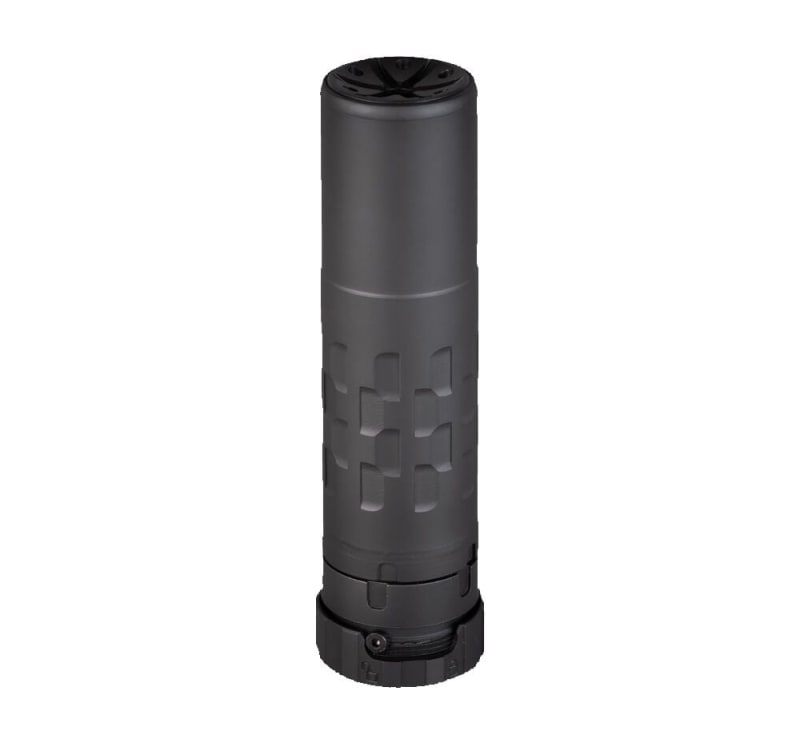 Most addedSilencerCo Saker 556K ASR Rifle Suppressor - SU22568 builders in Q2 2026/4 stores/In stock
 - 2
- 3
- 4
How we pick: ranked by how often builders added each part to a real build on GunPartPicker in Q2 2026, in stock parts first, then by tier. Prices and stock are checked daily across every store we track.
Suppressor shopping goes wrong in a predictable way. People compare decibel numbers, pick the lowest one, and end up with a rifle that spits gas in their face and a can they eventually sell.
The truth is that nearly every modern 5.56 suppressor is quiet enough. The spread between a good can and a great one is small, it is measured under conditions you will never replicate, and it is not what you will notice. What you will notice is gas, weight, and whether the mount works with the rifle you already own.
| Metric | Value |
|---|---|
| Rarely the issue | Sound |
| The real variable | Gas |
| Decides the mount | Your barrel |
| Buy once | Weight |
Back pressure is the thing that actually matters
A suppressor works by trapping gas. That trapped gas has to go somewhere, and on a direct impingement AR a good deal of it goes back down the gas tube, speeds up the carrier, and vents out of the ejection port and the charging handle at your face.
This is the single biggest difference between suppressors in practice. A high back pressure can on an untuned rifle gives you stinging eyes, a filthy bolt carrier, an elevated cycle rate and violent ejection. A low back pressure design gives up a little sound performance and hands you a rifle that is genuinely pleasant.
If you are buying your first can and you are not prepared to tune the rifle around it, buy the lower gas option. You will shoot it more.
Mounting: pick the system, not the can
Every manufacturer has its own quick detach system, and they do not cross over. Once you buy into one, every muzzle device you own is part of that decision.
Direct thread screws straight onto the barrel. It is the lightest, cheapest and most concentric option, and it is the right answer if the can lives on one rifle and rarely comes off. The downsides are that it can loosen under fire and it is slow to remove when hot.
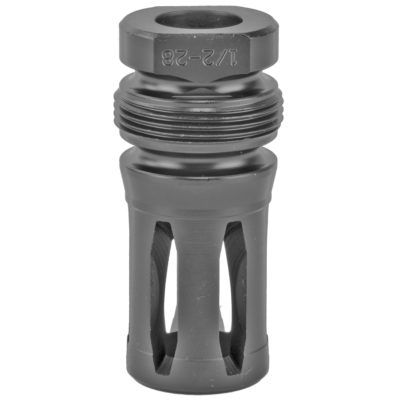
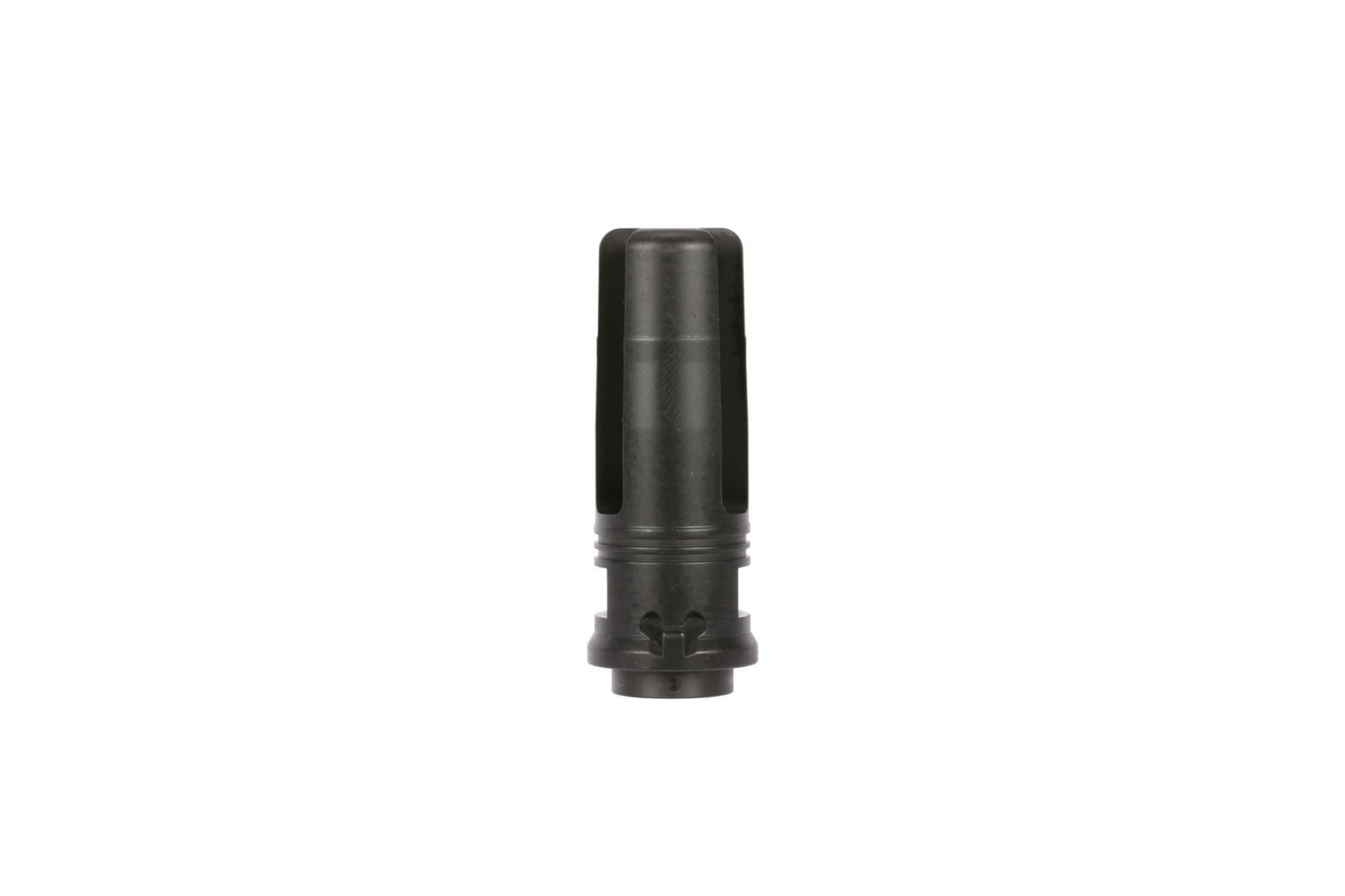
Quick detach mounts the can over a dedicated muzzle device. You give up a little weight and a little length, you gain the ability to move the can between rifles in seconds, and you keep a flash hider or brake on the gun when it is off. If you own more than one host, this is worth the premium.
A hybrid worth knowing about is the taper mount, which uses a precision taper to index the can rather than a ratchet. It is very repeatable and very hard to seize.
Short cans versus full size
A full length can is quieter. A short can handles better. That is the whole trade and you should make it on how you use the rifle.
On a 16 inch carbine, a full size suppressor puts the muzzle a long way out and the rifle starts to feel nose heavy. On a short barrelled rifle, adding six inches of can undoes the reason you built it short in the first place. Our Sicario build guide covers that trade in the context of a 10.3 inch gun.
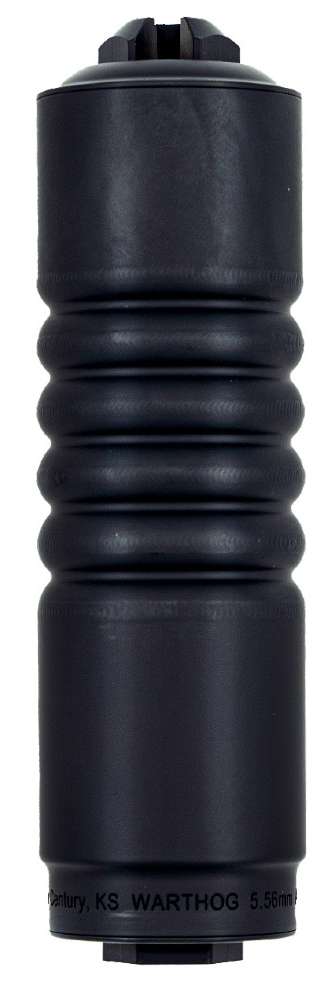
Short 5.56 cans have got dramatically better. They are no longer the compromise they were, and for most people building a general purpose carbine, a short can with a low gas design is the sweet spot.
Picked by 8 builders in Q2 2026/In stock
Full size and general purpose
If the rifle is a 16 inch carbine that mostly lives at the range, the extra length is free performance. You get more sound reduction, lower back pressure for a given level of suppression, and a can that runs cooler.

Picked by 2 builders in Q2 2026/Out of stock
Materials, weight and heat
5.56 out of a short barrel is a genuinely hostile environment for a suppressor. The gas is hot, the pressure is high, and a rifle shot fast will get a can glowing.
Stainless and Inconel are heavy and extremely durable. They are the right choice if you intend to shoot the rifle hard, and they are what most full auto rated cans are built from.
Titanium is dramatically lighter and the difference is obvious on the rifle. It is also less tolerant of sustained fire, and titanium cans generally carry rate of fire restrictions that stainless ones do not.
Be honest about how you shoot. Most people do not need a full auto rated can, and they are carrying the weight of one for no reason. If you do run high volume strings, or you are pairing the can with a fast trigger, the heavier option is the correct one. Our buffers for fast triggers guide covers the rest of that setup.
What we would actually buy
One rifle, mostly the range. A full size direct thread can. It is the cheapest route to the best sound and the lowest gas, and you are not paying for a mounting system you will not use.
A general purpose carbine you shoot a lot. A short can on a quick detach mount, biased toward low back pressure, paired with an adjustable gas block.
Several hosts. Commit to one quick detach system and buy muzzle devices for everything. The can is the expensive part. The mounts are not.
An SBR. Short can, low gas, and expect to tune the rifle. This configuration is where suppressors stop being an accessory and start being part of how the gun works.
Filed underAR-15/5.56 NATO/Suppressors/Suppressed/Buyer's Guide
FAQ
Frequently asked questions
What is the best 5.56 suppressor?
- There is no single answer, because nearly every modern 5.56 can is quiet enough and the spread between them is small. The right one depends on your barrel length, how much you shoot, and whether the can stays on one rifle. Choose on back pressure, weight and mounting rather than on a decibel figure.
Why does my rifle spit gas in my face when suppressed?
- A suppressor traps gas, and on a direct impingement AR that raised back pressure pushes gas back down the tube and out of the ejection port and charging handle. It also speeds up the cycle rate. The fix is an adjustable gas block, a heavier buffer, or choosing a lower back pressure suppressor design.
Direct thread or quick detach?
- Direct thread is lighter, cheaper and more concentric, and it is right if the can lives on one rifle. Quick detach costs weight and length but lets you move the can between hosts in seconds and keeps a muzzle device on the gun when the can is off. If you own more than one host, quick detach usually wins.
Are short 5.56 suppressors worth it?
- Much more than they used to be. A full length can is quieter, but a short can handles far better, and on a short barrelled rifle a long suppressor undoes the reason you built it short. For a general purpose carbine, a short low gas can is a strong sweet spot.
Titanium or stainless suppressor?
- Titanium is dramatically lighter and you feel it on the rifle, but it is less tolerant of sustained fire and usually carries rate of fire restrictions. Stainless and Inconel are heavy and very durable. Most people do not shoot hard enough to need the heavy option and are carrying the weight for nothing.
Do I need an adjustable gas block to run a suppressor?
- Not strictly, but it is the single best companion purchase. It lets you turn the gas system down to suit the can, which fixes the gas blowback, the elevated cycle rate and the violent ejection that make a suppressed AR unpleasant. It usually costs far less than changing suppressors.
Is a suppressor legal to own?
- Federally they are legal but regulated, and require a registered transfer through a dealer. Several states prohibit private ownership outright. The transfer tax changed recently but the registration process and the wait did not go away. Verify your state's current law before ordering.
Written by
GPP Editorial TeamAR Build Specialists
GunPartPicker guides are powered by data from real builds — what builders actually select tells the story.
Read next
All guides → CLONE BUILD/09.16.26M4A1 URGI Clone Build Guide: The Modern SOCOM Standard
 CLONE BUILD/09.16.26Sicario Task Force Build: The Parts List
 SUPPRESSORS/09.18.26Best 300 Blackout Suppressors in 2026
 SUPPRESSORS/09.18.26Best .22 LR Suppressors in 2026
 STATE LAW/09.23.26Suppressors in 2026: The Tax Is Zero, the Paperwork Depends
 HANDGUARDS/09.18.26Suppressor Ready Handguards: Inner Diameter and Tucked Cans
 STATE LAW/09.20.26The ATF Paperwork Rule: Comments Close October 5
 MAGAZINES/09.21.26PSA Sabre 5.56 AK: What Is Confirmed Before the September 25 Launch
Tools for this guide
- Legal toolGun Travel CheckerCan I bring my gun to another state? Pick where you start, where you are going and what is coming along: carry pistol, AR-15, magazines, suppressor, SBR, brace, forced reset or binary trigger, hollow points. Every state on the route is checked for transporting firearms across state lines: magazine limits, assault weapon bans, NFA rules, carry permit type and trigger bans, with what to do before the state line.
- Compatibility toolMuzzle Thread CheckerPick your barrel's caliber and platform, get the standard thread pitch, and see every muzzle device and suppressor in the catalog that actually threads on, with live prices.
- Legal toolBarrel and Overall Length CheckerEnter barrel length, muzzle device and how the back end is configured, and see whether the build is a rifle, a short barreled rifle, a pistol or an AOW under federal law, with the barrels in stock at that length.