Real build data, Q2 2026
Apr 1 to Jun 30, 2026Every ranking on this page comes from parts real builders added to their builds on GunPartPicker, Apr 1 to Jun 30, 2026. A pick counts each time a builder adds the part to a build in our builder, filed under the part's own category, and every count is rounded down. Prices and stock are checked daily across every store we track. No surveys, no search trends, no sponsored picks.
Quick picks
Live prices- 1
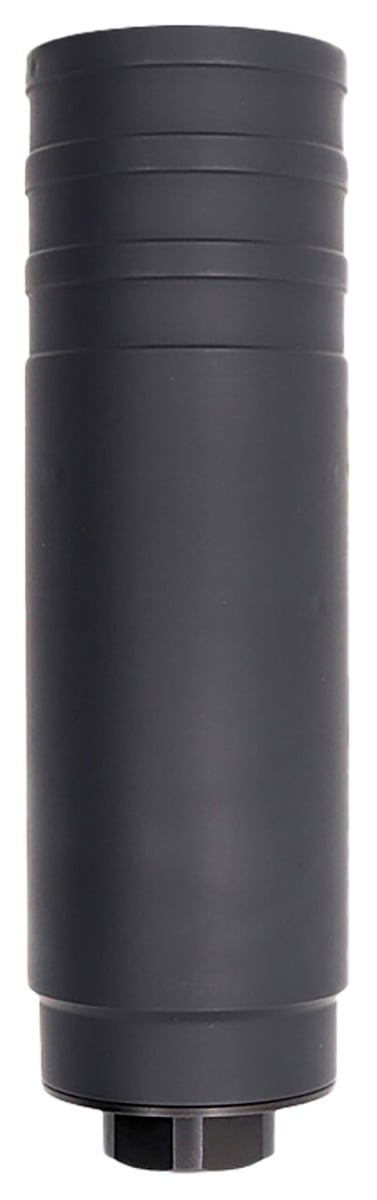
- 2
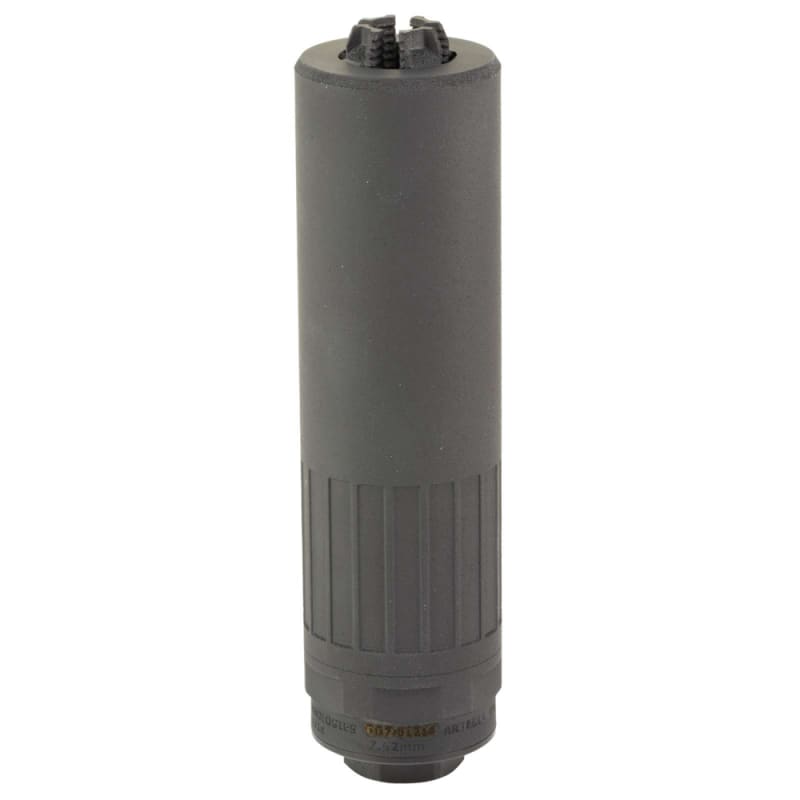
- 3
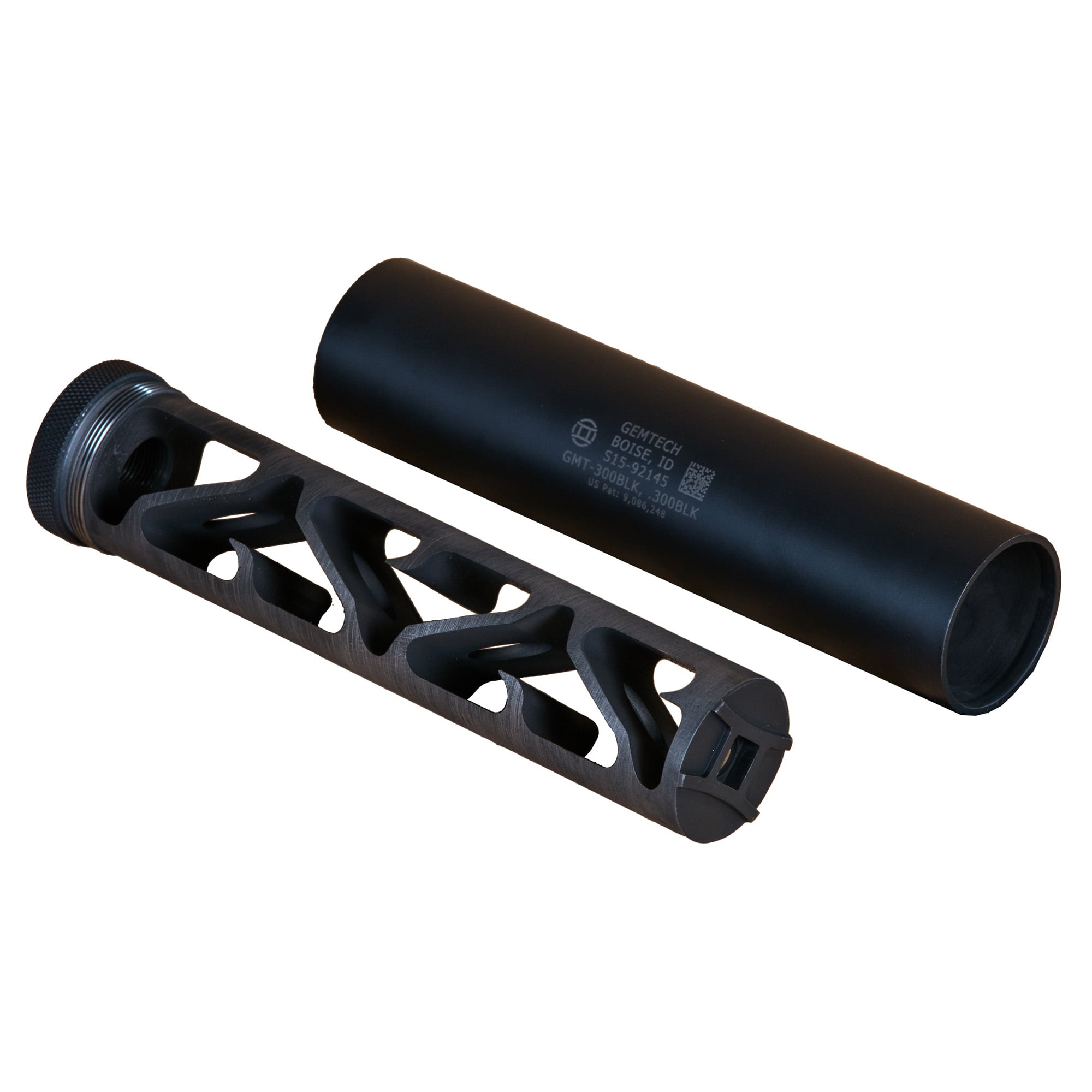 Also popularGemtech GMT-300BLK Direct Thread Rifle Suppressor - 5/8x242 builders in Q2 2026/2 stores/Out of stock
How we pick: ranked by how often builders added each part to a real build on GunPartPicker in Q2 2026, in stock parts first, then by tier. Prices and stock are checked daily across every store we track.
300 Blackout is unusual among rifle cartridges because it was designed around a suppressor rather than adapted to one. That changes how you should shop.
With 5.56 the suppressor is an accessory bolted onto a cartridge that works fine without it. With 300 Blackout, running subsonic ammunition through a can is the reason the cartridge exists. If you are not going to suppress it, the case for 300 Blackout over 5.56 gets considerably weaker, which our 300 Blackout vs 5.56 guide goes into.
| Metric | Value |
|---|---|
| The point | Subsonic |
| Bore size | .30 cal |
| Barrel | 8 to 10 in |
| Bonus | Multi caliber |
You need a .30 caliber can
This is the first thing to get right and it is not optional.
A 5.56 suppressor has a bore sized for a .224 inch bullet. A 300 Blackout bullet is .308 inches. It will not fit, and attempting it produces a baffle strike, which destroys the suppressor and can destroy the rifle and injure the shooter.
The useful consequence is that buying a .30 caliber can is the more flexible purchase anyway. A .30 can will run 300 Blackout, .308, 6.5 Creedmoor and in most cases 5.56 as well, at a modest cost in sound performance on the smaller bores. A 5.56 can runs 5.56 and very little else.
Subsonic changes what "quiet" means
Subsonic 300 Blackout is genuinely, remarkably quiet. There is no supersonic crack because the bullet never goes supersonic, so all you are suppressing is the muzzle blast itself. This is the closest a centrefire rifle gets to the movie version of a suppressor.
It also means the suppressor is doing different work. Subsonic loads run at lower pressure and produce less gas, so back pressure is less of a problem than it is with 5.56. That opens up designs that would be unpleasant on a 5.56 carbine.
Supersonic 300 Blackout is a different animal. It is a useful short barrel hunting and defensive load, it is meaningfully louder because of the sonic crack, and it produces more gas. If you intend to shoot both, buy for the supersonic loads and enjoy the subsonic performance as a bonus.
The reliability problem nobody mentions
Here is the thing that catches people out. A rifle tuned to cycle subsonic ammunition is not tuned to cycle supersonic ammunition, and the reverse is also true.
Subsonic loads produce much less gas. To make them cycle reliably you generally need a shorter gas system, a larger gas port, a lighter buffer or all three. Add a suppressor and the picture changes again, because the can adds back pressure that helps the subsonics cycle and pushes the supersonics further into overgassed territory.
An adjustable gas block solves this properly. It lets you set the rifle up for subsonic suppressed as the default and open it up when you switch. Without one you are picking a compromise and living with it.
Picked by 2 builders in Q2 2026/Out of stock
Short and light, because that is the use case
300 Blackout reaches near full velocity in a short barrel, which is precisely why it exists. An 8 or 9 inch 300 Blackout gives up very little to a 16 inch one, where a 5.56 in the same length gives up a great deal.
So the typical 300 Blackout host is short, and a short host wants a short can. Bolting a nine inch precision suppressor onto an eight inch barrel produces a rifle that is mostly suppressor and defeats the purpose.

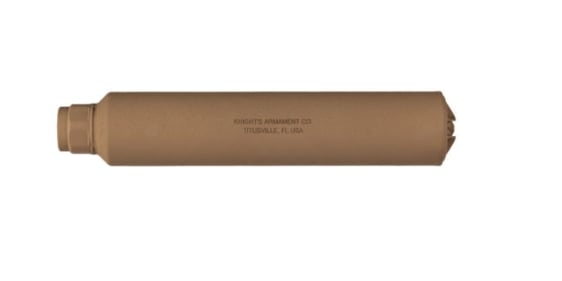
Full size and multi caliber
If the can is going to live on more than one rifle, size it for the largest cartridge you intend to run and accept a little extra length on the 300 Blackout host. A modular or HUB compatible design gives you the option to change mounts later without buying a new suppressor.
In stock

Thread pitch, and the mistake people make
300 Blackout barrels ship with two common thread pitches. Shorter and lighter barrels are often threaded 1/2x28, the same as 5.56, because the barrel is thin at the muzzle. Heavier barrels are usually 5/8x24, the .30 calibre standard.
This matters because the suppressor, the mount and the barrel all have to agree. Check the thread on the barrel you own, not the thread you assume it has, before you buy a mount. Our muzzle thread checker will tell you what fits.
What we would actually buy
A dedicated subsonic host. A short .30 calibre can, direct thread, on a short barrel with an adjustable gas block. This is the configuration the cartridge was built for and it is genuinely impressive.
A rifle that shoots both. Size for supersonic, fit an adjustable gas block, and expect to move the setting when you change ammunition.
A first centrefire can. Buy .30 calibre and multi calibre. You will find more uses for it than you expect, and it saves you buying a second can when you add a rifle.
Filed underAR-15/.300 BLK/Suppressors/Suppressed/Buyer's Guide
FAQ
Frequently asked questions
Can I use a 5.56 suppressor on 300 Blackout?
- No. A 5.56 suppressor has a bore sized for a .224 inch bullet and a 300 Blackout bullet is .308 inches. Firing it produces a baffle strike, which destroys the suppressor and can destroy the rifle and injure the shooter. You need a .30 caliber can.
Is subsonic 300 Blackout actually quiet?
- Yes, genuinely. Because the bullet never goes supersonic there is no sonic crack, so the suppressor only has to deal with muzzle blast. It is the closest a centrefire rifle gets to how suppressors are portrayed on screen. Supersonic loads are considerably louder.
What barrel length is best for a suppressed 300 Blackout?
- Around 8 to 10 inches. 300 Blackout reaches near full velocity in a short barrel, which is the reason the cartridge exists, so a short host gives up very little. A short host also pairs better with a short can, keeping the overall package sensible.
Will my rifle cycle subsonic and supersonic ammunition?
- Usually not reliably with a fixed gas system. Subsonic loads make much less gas and need a more open system, while supersonic loads plus a suppressor push the rifle into overgassed. An adjustable gas block lets you set it correctly for each and is the proper fix.
What thread pitch does a 300 Blackout barrel use?
- Both 1/2x28 and 5/8x24 are common. Lighter and shorter barrels are often 1/2x28 because the muzzle is thin, while heavier barrels usually use the .30 caliber standard 5/8x24. Check the barrel you actually own before buying a mount.
Should my first suppressor be .30 caliber or 5.56?
- For most people, .30 caliber. It will run 300 Blackout, .308, 6.5 Creedmoor and usually 5.56 as well, at a modest sound penalty on the smaller bores. A 5.56 can runs 5.56 and little else, so the .30 can is the more flexible first purchase.
Written by
GPP Editorial TeamAR Build Specialists
GunPartPicker guides are powered by data from real builds — what builders actually select tells the story.
Read next
All guides → SUPPRESSORS/09.17.26Best 5.56 Suppressors in 2026
 SUPPRESSORS/09.18.26Best .22 LR Suppressors in 2026
 STATE LAW/09.23.26Suppressors in 2026: The Tax Is Zero, the Paperwork Depends
 CLONE BUILD/09.16.26M4A1 URGI Clone Build Guide: The Modern SOCOM Standard
 CLONE BUILD/09.16.26Sicario Task Force Build: The Parts List
 HANDGUARDS/09.18.26Suppressor Ready Handguards: Inner Diameter and Tucked Cans
 STATE LAW/09.20.26The ATF Paperwork Rule: Comments Close October 5
 SUPPRESSORS/03.23.26AR-15 Suppressors: Ranked From 5,100+ Builder Picks
Tools for this guide
- Legal toolGun Travel CheckerCan I bring my gun to another state? Pick where you start, where you are going and what is coming along: carry pistol, AR-15, magazines, suppressor, SBR, brace, forced reset or binary trigger, hollow points. Every state on the route is checked for transporting firearms across state lines: magazine limits, assault weapon bans, NFA rules, carry permit type and trigger bans, with what to do before the state line.
- Compatibility toolMuzzle Thread CheckerPick your barrel's caliber and platform, get the standard thread pitch, and see every muzzle device and suppressor in the catalog that actually threads on, with live prices.
- Legal toolBarrel and Overall Length CheckerEnter barrel length, muzzle device and how the back end is configured, and see whether the build is a rifle, a short barreled rifle, a pistol or an AOW under federal law, with the barrels in stock at that length.