Short, suppressed and built around night vision. How to build the configuration, and why every choice in it is solving a real problem
Sicario Task Force Build: The Parts List
This is an inspired-by build, not a screen-accurate armorer's list. Film armouries swap configurations between scenes, mix parts across rifles and rarely document any of it. What follows is the recognisable setup and, more usefully, an explanation of why a real unit doing this job would arrive at it.
The task force carbines in Sicario are short, suppressed and quietly unusual. Most clone lists stop at "10.3 inch upper with a can on it" and move on. That misses the point, because the configuration is built around a specific sequence of problems: working out of vehicle seats, moving through doorways, and finally going into a tunnel in total darkness.
Every choice below is solving one of those. Build it in that order and it makes sense. Build it as a shopping list and you will end up with an expensive rifle that does not hang together.
| Metric | Value |
|---|---|
| Barrel | 10.3 to 11.5 in |
| Muzzle | Suppressor mount |
| Optic | Non-magnified |
| Aiming | IR laser |
Why the rifle is short
The entire film happens in confined spaces. Vehicle interiors, a border crossing stuck in traffic, houses, and a tunnel. A 16 inch carbine is awkward in all of them, and genuinely difficult in the first.
A 10.3 inch upper is dramatically easier to move with, to get in and out of a vehicle with, and to bring to bear around a corner without muzzling the person next to you. That last part matters more than people expect when several members of a team are working the same doorway.
The cost is velocity, and it is real. 5.56 does much of its terminal work through velocity, and a 10.3 inch barrel gives up a meaningful amount against a 16 inch one. That pushes the rifle firmly into close-range work, which is exactly the job here, but it also means your ammunition choice stops being an afterthought. Standard ball loaded for a 20 inch barrel does not behave the same way out of a 10 inch one. Our M193 vs M855 vs M855A1 guide covers what changes and which loads are built for short barrels.
A rifle with a barrel under 16 inches is a short-barrelled rifle under federal law unless it is built as a pistol, and SBRs are separately regulated and prohibited outright in some states. Suppressors carry their own separate federal requirements and are banned in several states. Verify both federal and current state law before you buy any part of this build. This is not legal advice.
Why it is suppressed
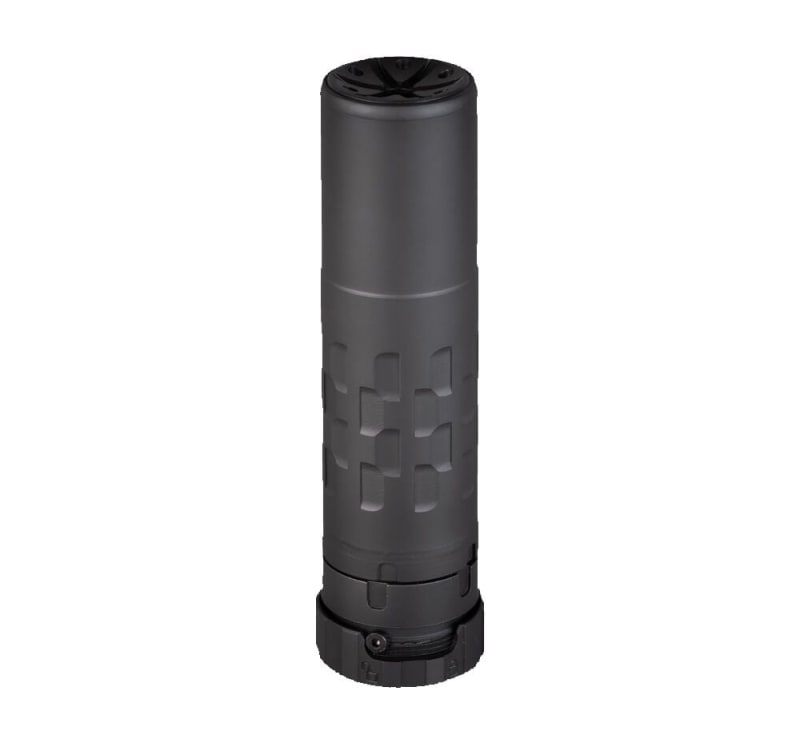
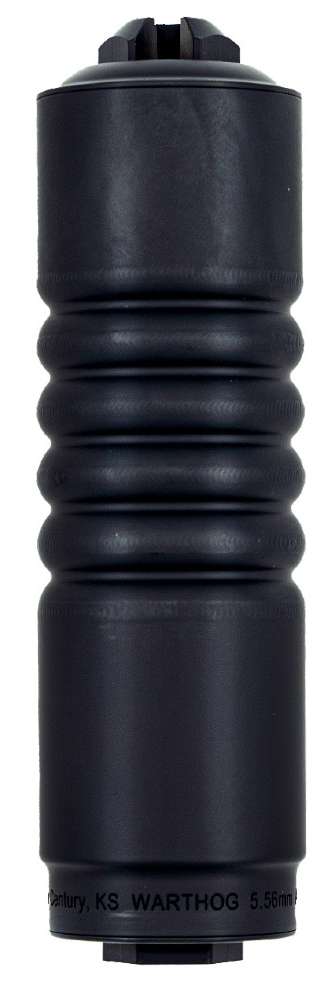
A suppressor on this rifle is close to mandatory, and not for stealth.
A 10.3 inch 5.56 barrel is genuinely punishing indoors. Most of the powder is still burning when the bullet leaves the muzzle, so the blast and concussion in a hallway are far worse than the same cartridge from a 16 inch rifle. It is the kind of unpleasant that degrades how well people shoot.
A can pulls that back to something a team can work around, kills the fireball that would otherwise wash out night vision on the first shot, and leaves enough hearing intact for people to talk to each other. That is why every unit that works in confined spaces runs one. It is the single part that makes the rest of the configuration viable.
Short cans suit this build better than long ones. You are already accepting a velocity penalty for handling, and then bolting five or six inches back onto the front of the rifle undoes the reason you went short in the first place.

Tuning it so it actually runs
This is the section most clone lists skip, and it is the one that decides whether your rifle works.
A short barrel with carbine-length gas is already running a lot of pressure at the gas port. Add a suppressor and you increase back pressure further, and the rifle goes firmly overgassed: violent ejection, a faster than intended cycle rate, and gas coming back into your face through the charging handle.
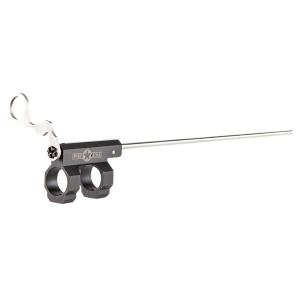
So an adjustable gas block is not an upgrade on this build. It is a required part. It lets you turn the system down to run the way it should with the can fitted, which is the condition the rifle will spend most of its life in.

Buffer weight is the other half of the same adjustment. A heavier buffer slows the carrier and smooths out the extra energy, and on short suppressed guns it is usually the cheapest fix available. Our gas block guide and buffer guide cover how to work the two together, and our buffers for fast triggers guide covers the heavier end of the range.
The barrel and upper
A 10.3 inch barrel with carbine-length gas is the canonical short configuration and what the Mk18 pattern uses. It is proven, the parts are everywhere, and it balances well with a can on the front.
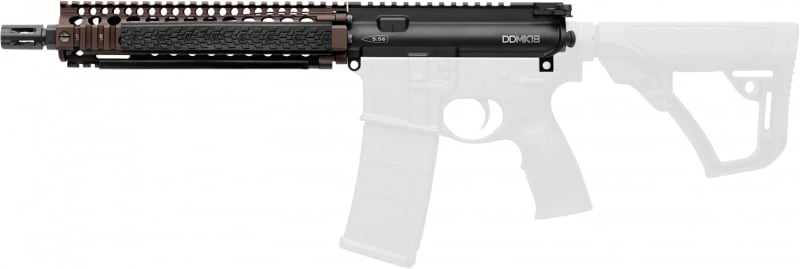

If you want a little more velocity and a slightly wider reliability margin, 11.5 inch is a sensible alternative that gives up very little handling and is noticeably easier to get running reliably suppressed.
The optic
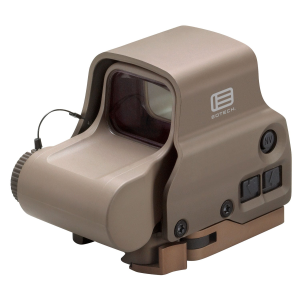
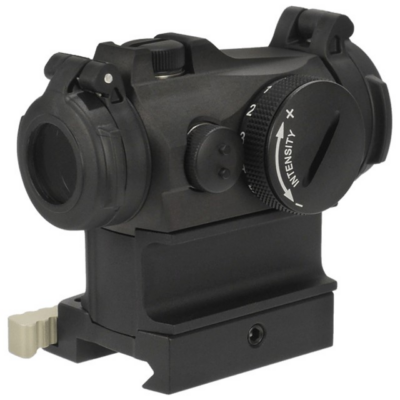
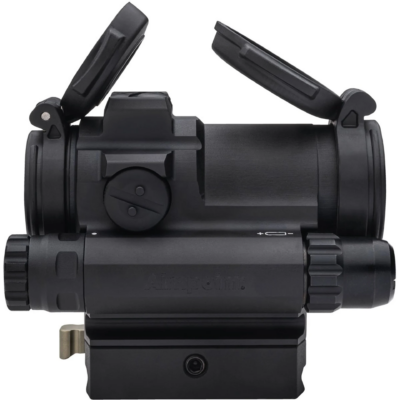
Non-magnified, every time. In the environments this rifle is built for, acquisition speed and an unobstructed field of view beat magnification comfortably. A red dot or a holographic sight is correct, and our LPVO vs red dot data shows that is what most builders land on anyway.
One requirement is not optional here though: the optic has to be night vision compatible. If you are building the configuration the film actually depicts, you need a sight with NV settings dim enough not to bloom out a tube. A holographic sight is the traditional answer for this, and it is what the units this build descends from carry.
Night vision and the IR laser
Here is the part almost every Sicario parts list leaves out, and it is the part the film gets most right.
The climax takes place in a tunnel in complete darkness, and the team goes in on night vision. Under a tube you are not using your optic the way you do in daylight. You aim with an infrared laser, mounted on the rail and zeroed to the rifle, which projects a dot only visible through night vision. The weapon light stays off, because turning it on defeats the entire approach.
That means this build is really three systems working together: the rifle, the tube on your head, and the laser on the rail. Leave the laser off and you have a carbine that looks the part in daylight and cannot do the thing the film is actually about.
Be aware of what you can legally buy. Full-power infrared pointers are export controlled and most of the genuine military units are restricted to law enforcement and military purchase. The civilian versions run lower IR output while keeping the same housing, controls and mounting, and they are what you will actually be able to put on the rifle.

The light
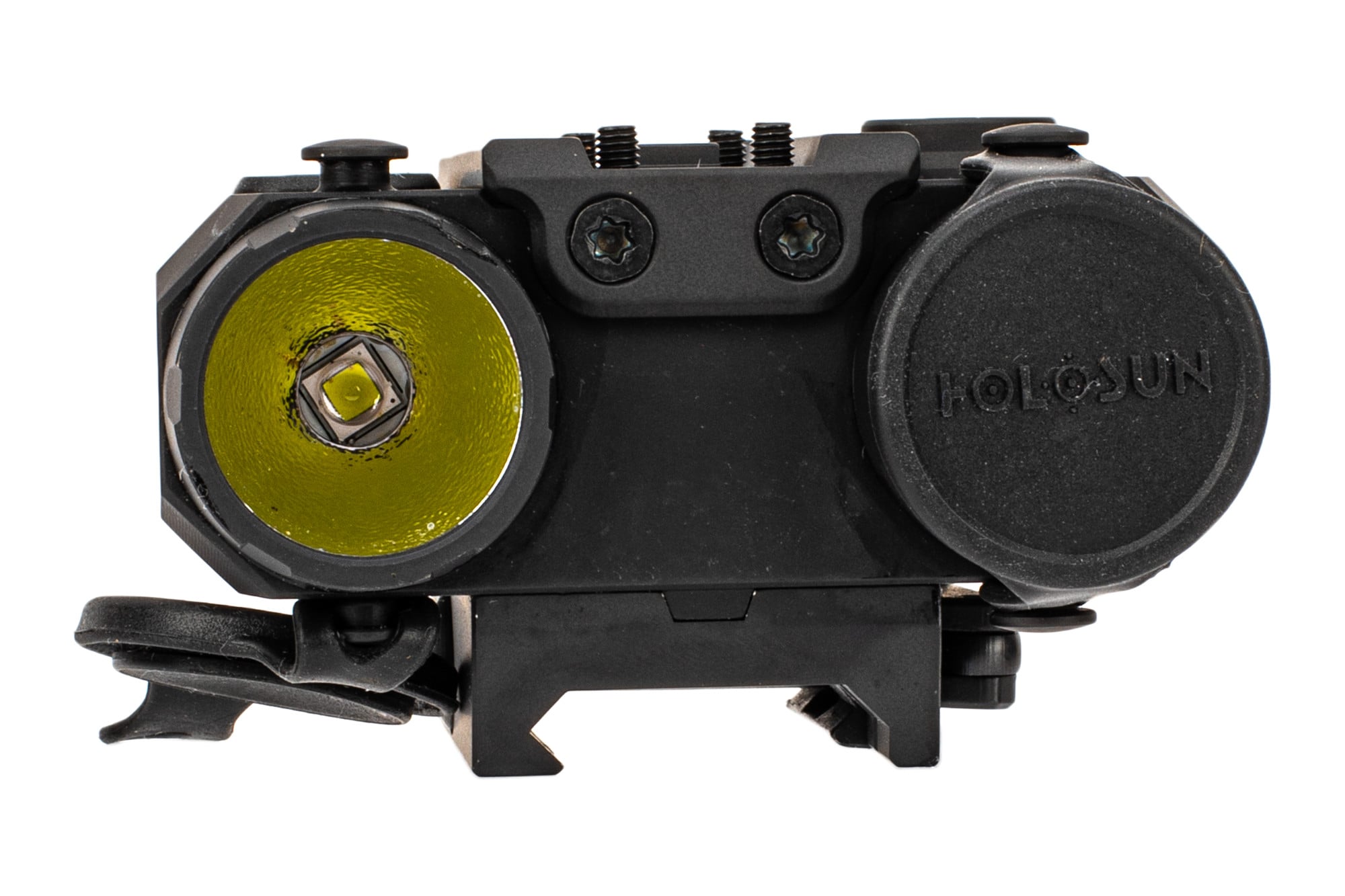
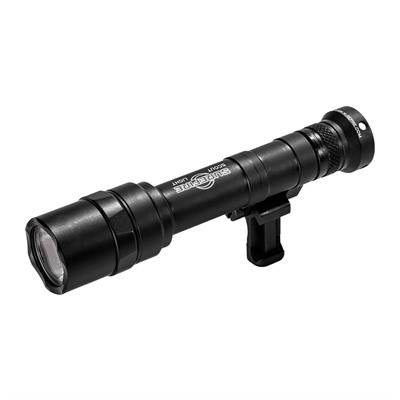
The light is not optional either, and it is doing a different job from the laser. The laser is for shooting in the dark without being seen. The light is for identifying what you are pointing at, which is the part you are legally and morally responsible for.
On a short handguard, placement is the whole game. The light needs to sit where your support thumb lands naturally, because on a rifle this size you will be operating it by feel rather than by looking. Mount it, shoulder the rifle with your eyes closed, and move it until your thumb finds the switch.

The sidearm, which the film treats seriously
The most memorable shooting in Sicario is not done with a rifle. It happens at the border crossing, at contact distance, through and around vehicles, with handguns.
That scene is a reasonable argument for why a build like this is not finished at the rifle. In a vehicle, a carbine is slow to bring into play and a pistol is not. A duty handgun with a red dot and a proper holster is part of the same configuration, not an accessory to it.
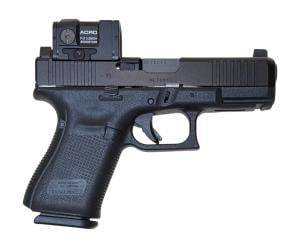
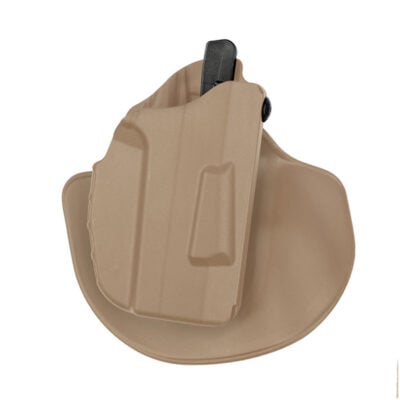
If you are setting a pistol up for this, our Glock 17 vs 19 vs 45 guide covers sizing, the red dot plate guide covers mounting an optic to a MOS slide, and the holster guide is worth reading before you spend money, because the belt matters more than the holster does.
Sling and controls
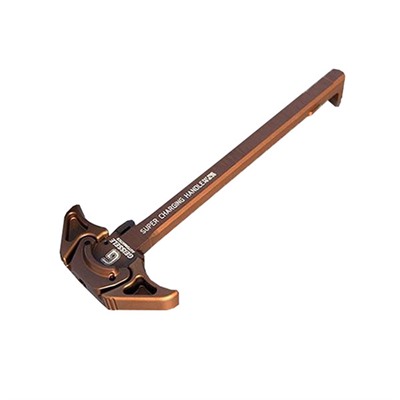
Ambidextrous controls matter more on a short rifle worked around vehicles and doorways, because you will genuinely end up shooting from both shoulders. An ambidextrous safety is the highest-value change. An extended or ambidextrous charging handle earns its place once a large optic starts crowding your hand.
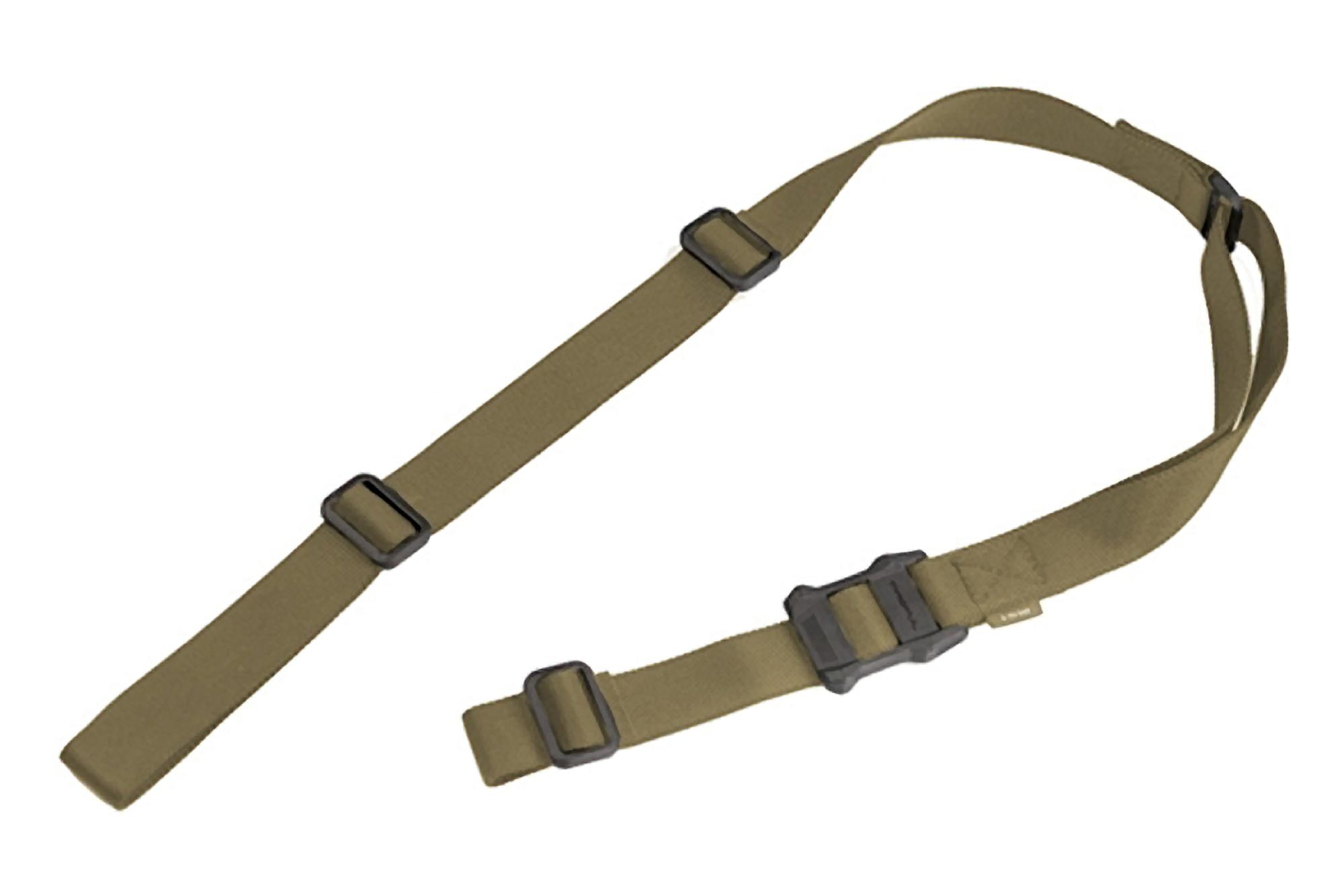
A two-point adjustable sling is the other piece people underrate. It is what lets you transition to the pistol, and it is what holds the rifle out of the way when you need your hands.

The handguard question
Short rifles are where handguard length gets interesting, because a 10.3 inch barrel does not leave much room and you have two schools.
A rail that runs nearly to the muzzle gives you the most surface to place a light, a laser and a hand stop, and lets you drive the rifle with your support hand well forward. This is the modern preference and what most current builds use. On this particular build it matters more than usual, because you are trying to fit a light and a laser on the same short rail without either one ending up somewhere your hand cannot reach.
A shorter rail with exposed barrel is the older configuration and what a lot of the military rifles this build descends from actually wore. It looks right for a period clone and gives you much less usable real estate.
Either works. What matters is that the rail free floats the barrel and that your accessories sit where your hands already are.
What this honestly costs
Be realistic before you start. The rifle itself is not the expensive part.
The suppressor, the night vision and the laser are each capable of costing more than the carbine they are attached to, and night vision in particular is the single largest line item in a build like this by a wide margin. The federal transfer tax on a suppressor changed recently, but the registration process itself did not go away, and the wait is still a wait. Our suppressor guide covers what actually changed and what did not.
The sensible approach is to build it in stages. Get the rifle right first, running reliably with the can and the gas turned down. Add the light. Add the laser and the tube last, when you can afford to do it properly, because cheap night vision is a genuinely bad purchase.
What this build is actually good at
Be honest with yourself about the trade. This configuration is excellent inside a house, in and out of a vehicle, and anywhere you are moving through doorways in the dark. It is mediocre past a couple of hundred yards, it is unpleasant without a can, and it costs considerably more than a standard carbine by the time the paperwork clears.
If you want one rifle that does everything, build a 16 inch carbine instead and spend the difference on ammunition. If the specific job this rifle does appeals to you, this is the configuration, and it is a genuinely good one for that job. The film did not invent it.
Related clone builds
The military configurations this descends from are worth reading if this appeals: the Mk18 Mod 0, the CQBR Block I and the CQBR Block II, which is the Daniel Defense upgrade path for the same rifle. For the night vision side of the configuration taken further, the Zero Dark Thirty night carbine is built around the tube rather than around the can.
Frequently Asked Questions
GPP Editorial Team
AR Build Specialists
GunPartPicker guides are powered by data from real builds — what builders actually select tells the story.
Related Guides
Tools for this guide
- Legal toolBarrel and Overall Length CheckerEnter barrel length, muzzle device and how the back end is configured, and see whether the build is a rifle, a short barreled rifle, a pistol or an AOW under federal law, with the barrels in stock at that length.
- Legal toolGun Travel CheckerCan I bring my gun to another state? Pick where you start, where you are going and what is coming along: carry pistol, AR-15, magazines, suppressor, SBR, brace, forced reset or binary trigger, hollow points. Every state on the route is checked for transporting firearms across state lines: magazine limits, assault weapon bans, NFA rules, carry permit type and trigger bans, with what to do before the state line.
- Compatibility toolMuzzle Thread CheckerPick your barrel's caliber and platform, get the standard thread pitch, and see every muzzle device and suppressor in the catalog that actually threads on, with live prices.