The rifles in The Terminal List look like the rifles in Zero Dark Thirty, the rifles in 13 Hours, and the rifles in most of the other builds on this site.
That is not a lack of imagination on anyone's part. It is what happens when different people solve the same problem with the same constraints.
| Metric | Value |
|---|---|
| Barrel | 14.5 to 16 in |
| Optic | Dot or low-power |
| Why it looks plain | It should |
The convergence is the point
Put a general purpose fighting carbine in front of anyone who has carried one, and you get the same answers:
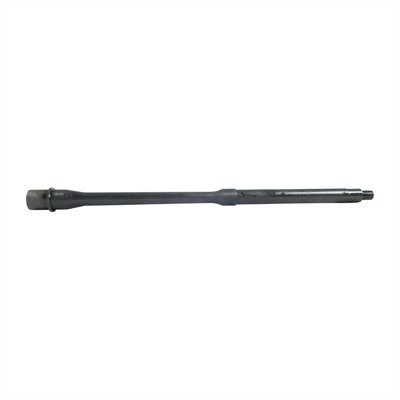
- A 14.5 or 16 inch barrel, because that is the band that works in vehicles and buildings while keeping useful velocity
- Mid-length gas, because it is softer and easier on parts with no real downside
- A free-float M-LOK rail, long enough to drive the rifle with your support hand
- A non-magnified optic, or a low-power variable where distance demands it
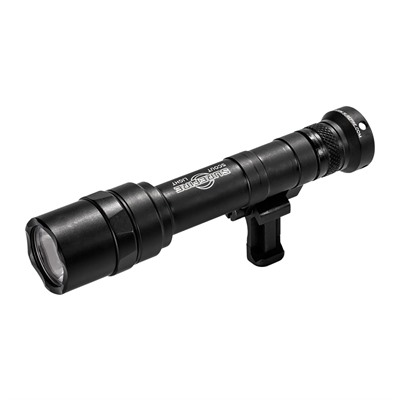
- A weapon light, positioned for your support thumb
- A two-point sling
Our barrel length data and optic data show ordinary builders arriving at the same configuration, which is a reasonable sign the reasoning generalises beyond people with that background.

Suppressor-ready, even unsuppressed
One detail worth noticing is the muzzle. Modern SOF-pattern rifles generally wear a muzzle device that doubles as a suppressor mount, rather than a plain flash hider.
That is a sensible choice even if you never buy a can. A quality mount-capable device works perfectly well as a flash hider or brake on its own, and it means adding a suppressor later does not mean pulling the muzzle device off a pinned 14.5 inch barrel, which is a genuinely annoying job.
If you are building 14.5 inch and pinning and welding, think about this before you commit, because you are marrying that device. Our suppressor guide covers mounting systems.
Now that the transfer tax is zero, planning for one is more reasonable than it was.
Optic: it depends on the scene
This build sits at the boundary where the optic answer genuinely changes.
For close work, a red dot. For anything where identification at distance matters, a low-power variable earns its weight.
If you want one rifle and are unsure, our honest recommendation is the dot plus a flip-to-side magnifier, which keeps close-range speed and adds enough magnification to identify something further out, usually lighter than a comparable LPVO.

Controls
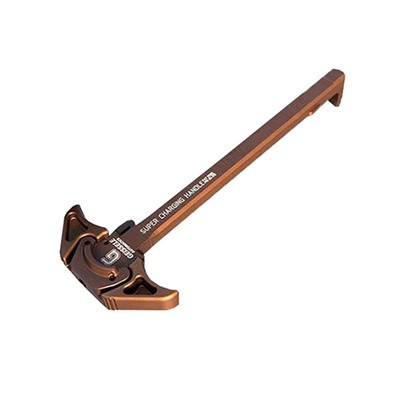
Ambidextrous safety first. You will shoot from both shoulders around cover, and it is the highest-value control change on the platform.

A good two-stage trigger is worth having on a rifle used at mixed distances, though it belongs after the parts that determine whether the rifle runs. Our build order analysis covers the sequence.
Where film rifles diverge from real ones
Worth knowing if you are chasing screen accuracy rather than a working rifle.
Production armouries optimise for things a user never would. Rifles get configured so they read clearly on camera, so they run blanks reliably, and so they look consistent across scenes shot weeks apart. Blank firing in particular requires its own adaptations, which is why some screen rifles carry hardware that makes no sense on a live gun.
They are also duplicated. A hero rifle, a stunt rifle and a background rifle may differ noticeably, and a detail you spotted in one shot may simply not exist on the others.
So chase the configuration rather than the specific parts. The reasoning behind a 14.5 inch mid-length carbine with a dot, a light and a sling is sound and transfers completely. A particular rail that appeared in one scene usually does not.
What to skip
A laser, unless you own night vision. It is designed to be used under goggles and solves a problem you do not have without them.
A bipod, on a general purpose carbine. Different rifle, different job. See the Mk12 if that is what you want.
Magnification you cannot justify. If you cannot name something you need to see that a dot cannot manage, you are carrying weight for nothing.
The short version
Build the 16 inch mid-length carbine. Put a dot on it, a light where your thumb lands, a sling on it, and a suppressor-ready muzzle device on the front. That is the rifle, and it is the same rifle nearly everyone who thinks seriously about this ends up with.
Filed underClone Build/AR-15/5.56 NATO/Optics/CQB/Suppressed/Build Guide
FAQ
Frequently asked questions
What rifle is used in The Terminal List?
- A modern SOF-pattern carbine rather than anything exotic: a 14.5 to 16 inch barrel with mid-length gas, a free-float M-LOK rail, a non-magnified optic or low-power variable, a weapon light and a sling. Configurations vary between scenes, so treat lists as inspired-by.
Why do all these clone builds look the same?
- Because different people solving the same problem with the same constraints arrive at the same answers. When film armourers, military procurement and thousands of ordinary builders converge on one configuration, that is evidence about what works rather than what markets well.
Should I use a suppressor-ready muzzle device?
- Yes, even if you never buy a can. A quality mount-capable device works fine as a flash hider on its own, and it means adding a suppressor later does not require pulling the muzzle device off a pinned 14.5 inch barrel, which is an annoying job.
Red dot or LPVO for this build?
- It depends on your distances. A dot for close work, a low-power variable where identification at distance matters. If unsure, a dot plus a flip-to-side magnifier keeps close-range speed and adds magnification when needed, usually lighter than a comparable LPVO.
Do I need a laser on a general purpose carbine?
- Only if you own night vision. An infrared aiming laser is designed for use under goggles, where you cannot comfortably get behind an optic. Without night vision it adds weight and cost to solve a problem you do not have.
What is the single best control upgrade?
- An ambidextrous safety selector. You will shoot from both shoulders around cover on any rifle used in confined spaces, and it is the highest-value control change on the platform for the money.
Written by
GPP Editorial TeamAR Build Specialists
GunPartPicker guides are powered by data from real builds. What builders actually select tells the story.
Read next
All guides → CLONE BUILD/09.16.26Sicario Task Force Build: The Parts List
 CLONE BUILD/10.20.26Zero Dark Thirty Build: The Night Raid Carbine
 CLONE BUILD/10.14.2613 Hours Build: The Contractor Carbine
 CLONE BUILD/09.16.26CQBR Block I Clone Build Guide: Every Part You Need
 CLONE BUILD/09.18.26Christian Craighead's Nairobi Rifle: The L119A2, Part by Part
 CLONE BUILD/10.19.26SEAL Team Style Carbine: A Shawn Ryan Inspired Build
 CLONE BUILD/10.14.26Act of Valor build: the Bandito Platoon SEAL carbine
 CLONE BUILD/10.15.26Black Hawk Down build: the Ranger and Delta carbines on screen
Tools for this guide
- Legal toolGun Travel CheckerCan I bring my gun to another state? Pick where you start, where you are going and what is coming along: carry pistol, AR-15, magazines, suppressor, SBR, brace, forced reset or binary trigger, hollow points. Every state on the route is checked for transporting firearms across state lines: magazine limits, assault weapon bans, NFA rules, carry permit type and trigger bans, with what to do before the state line.
- Legal toolSBR Planner (3D)Set the barrel anywhere from 7.5 to 16 inches, put a stock, a brace or a folder on the back, pin a muzzle device or slide on a can. The ruler under the rifle shows whether you've cleared the 16 inch barrel line and the 26 inch overall line. Pick your state for its SBR, suppressor and assault weapon rules, then price every part and open the build in one click.
- Legal toolBarrel and Overall Length CheckerEnter barrel length, muzzle device and how the back end is configured, and see whether the build is a rifle, a short barreled rifle, a pistol or an AOW under federal law, with the barrels in stock at that length.