Search interest says the LPVO took over. Build data says something different
What Builders Actually Mounted in 2026: LPVO vs Red Dot
The LPVO has owned the discussion for most of a decade. Military procurement moved to variable optics, entry prices collapsed, and the acronym went from obscure to unavoidable. If you measured the category by how much people talk about it, the argument would be over.
We can measure something better. GunPartPicker has over 1 million parts configured since 2020, and every one of those is a decision someone actually made about a rifle rather than a phrase they typed into a search bar. The shares below come from ten straight months of builds.
The two do not agree.
What people actually mount
Share of all sighting choices on configured AR builds
| Item | Share (%) |
|---|---|
| Red dot / reflex | 42% |
| Iron sights (sets) | 21% |
| Rifle scope / LPVO | 13% |
| Front sight (single) | 8% |
| Magnifier | 8% |
| Rear sight (single) | 7% |
Read the top of that chart carefully, because it is the whole story. Red dots and reflex sights take the largest single share of sighting choices by a wide margin. Add iron sights and the non-magnified share climbs to roughly two thirds of everything selected.
Rifle scopes, the category that contains every LPVO, sit in third.
| Metric | Value |
|---|---|
| Non-magnified first | Roughly 2 in 3 |
| Magnified primary | About 1 in 8 |
| The hybrid answer | Dot + magnifier |
The gap between what gets discussed and what gets bought is the most consistent pattern in our build data. It shows up in handguards, it shows up in triggers, and it is at its widest in optics. Search interest measures curiosity. Build data measures commitment, because somebody has to pay for it.
Why the red dot keeps winning
None of this means the LPVO is a bad optic. It means most people are building a rifle for a job the red dot already does well.
- Speed at the distances people actually shoot. Most defensive and range use sits well inside 100 yards. A non-magnified dot is faster to acquire and far more forgiving of head position.
- Weight and balance. A quality LPVO plus a mount is often three to four times the weight of a micro red dot. That is felt immediately at the muzzle.
- Eye box. A red dot has effectively none. An LPVO at the top of its magnification range punishes inconsistent cheek weld, which matters most under time pressure.
- Battery life measured in years. Modern micro dots can be left on permanently, which changes how a rifle is stored and grabbed.
- Price. Entry LPVO pricing has fallen a long way, but a genuinely good LPVO still costs multiples of a genuinely good red dot.
When magnification earns its place
The LPVO stops being a fashion choice and starts being the right answer when you need to positively identify or precisely place a shot past roughly 200 yards. Hunting, rural property, anything where the target is small or partially obscured, and most competition formats with distant or awkward targets all favour magnification.
The honest test is this: if you cannot name a specific thing you need to see or hit that a dot cannot manage, you are buying magnification you will carry and not use.
The option most people overlook
A large slice of builders refuse the choice entirely and run a red dot with a flip-to-side magnifier. It is the most underrated setup in the category.
You keep the dot's speed and eye box for everything close, and you get enough magnification to identify something further out. It is usually lighter than an LPVO of comparable capability, the magnifier can be swung out of the way in a second, and if the magnifier ever fails you still have a working sight.
The trade is that it is bulkier on the rail and it is not as precise as real glass at distance.
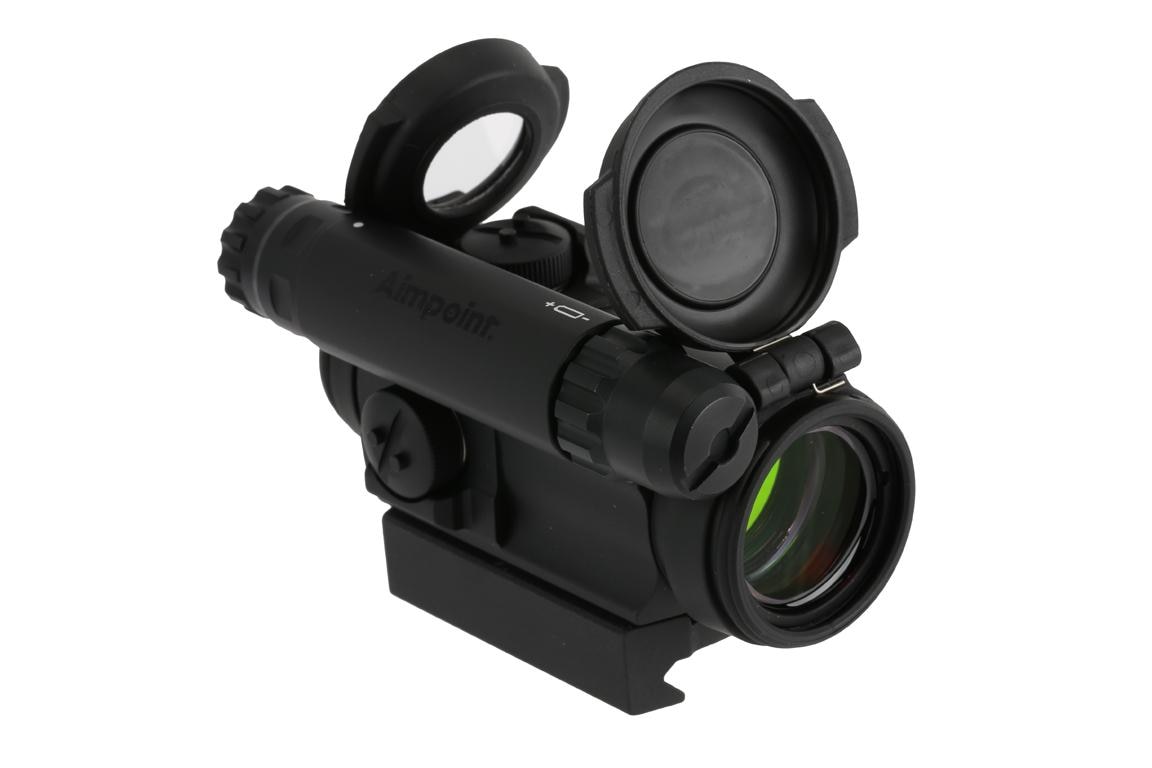
Red dots worth looking at

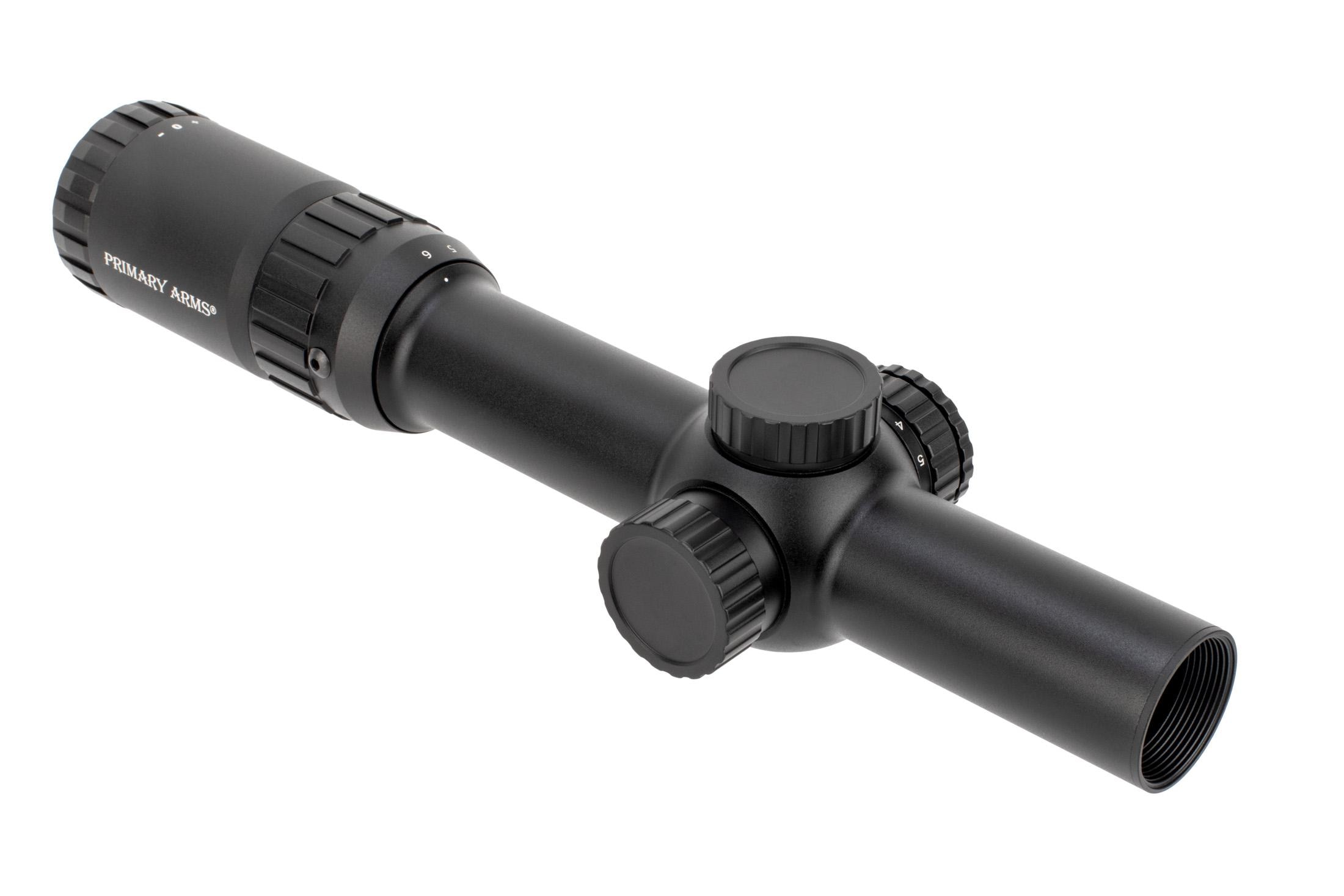
LPVOs worth looking at

Where the irons number comes from
One line on that chart surprises people: iron sights take the second largest share of sighting selections. That is not a wave of people building irons-only rifles.
Most of it is backup. Folding or fixed iron sights get added alongside a primary optic, which is why single front and rear sights also appear separately further down the chart. Some builders buy a matched set, and plenty buy only the half they were missing.
It is worth reading as a reliability preference rather than a sighting preference. A meaningful share of people building an AR still want something that works when a battery or a lens does not, and they are willing to spend rail space on it.
What we would tell a first-time builder
Buy the red dot. Put the difference into a light, a sling and ammunition, which are the three things that improve your actual capability faster than magnification will.
If you later find a specific job the dot cannot do, add a magnifier before you replace the whole optic. That upgrade path costs less than buying twice, and it leaves you with two working configurations instead of one. And if you genuinely shoot at distance, skip the middle of the LPVO market entirely. A cheap variable optic is worse than a good fixed dot at everything except the one thing it was bought for.
Frequently Asked Questions
GPP Editorial Team
AR Build Specialists
GunPartPicker guides are powered by data from real builds — what builders actually select tells the story.
Related Guides
Tools for this guide
- Compatibility toolGlock Red Dot Fit CheckerPick how your Glock slide is cut and see which red dots mount directly, which need a plate, and the plates and optics in stock right now.
- Legal toolGun Travel CheckerCan I bring my gun to another state? Pick where you start, where you are going and what is coming along: carry pistol, AR-15, magazines, suppressor, SBR, brace, forced reset or binary trigger, hollow points. Every state on the route is checked for transporting firearms across state lines: magazine limits, assault weapon bans, NFA rules, carry permit type and trigger bans, with what to do before the state line.
- Tuning toolTwist Rate CalculatorPick a bullet and a twist rate, get the Miller stability factor, then see barrels with that twist and ammo loaded with that bullet, with today's price per round.