Putting a red dot on a Glock is the single highest-return upgrade the platform offers, and the mounting is where most people get it wrong. The optic rarely fails. The stack underneath it does.
| Metric | Value |
|---|---|
| The real variable | Footprint |
| Most common failure | Screw length |
| Worth upgrading | The plate |
How MOS actually works
A Glock MOS slide is milled with a generic recess and ships with a set of polymer adapter plates. You pick the plate that matches your optic, screw it into the slide, then screw the optic into the plate.
That is two interfaces instead of one, and every extra interface is somewhere the system can shift. It is also why a directly milled slide holds zero better than any MOS setup, and why people who shoot a lot eventually mill.
For everyone else, MOS is a perfectly good system as long as the stack is right.
Footprints, not brands
The thing that determines fit is the footprint, meaning the pattern of screw holes and recoil lugs on the bottom of the optic. Brand names are a poor guide because several makers build to shared footprints and several use their own.
The patterns you will encounter most on a Glock:
- Trijicon RMR — the most widely copied full-size pattern, used by a number of other makers as well.
- Holosun K series — the common compact pattern for smaller slides.
- Shield RMSc — the slim pattern used on subcompacts and slimline pistols.
- Aimpoint ACRO — a completely different, enclosed mounting system.
- Leupold DeltaPoint Pro — its own pattern.
Find your optic's footprint first, then buy the plate for that footprint. Do not shop by optic brand.
Why the factory plates get replaced
The plates in the box are polymer and they are adequate rather than good. Under sustained use they can compress slightly, which shows up as a zero that shifts over time rather than an obvious failure.
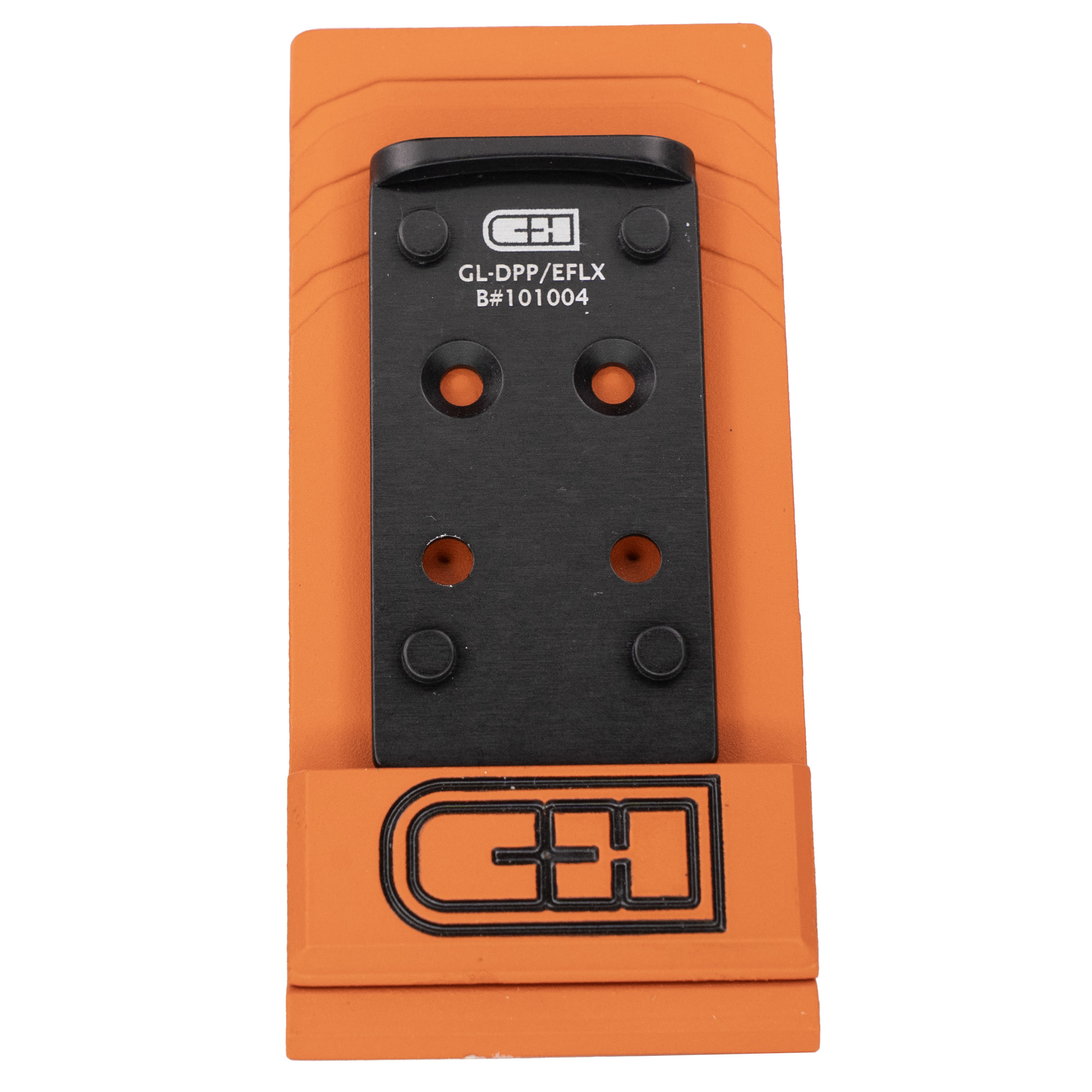
Aftermarket plates are typically machined steel, often with a recoil lug that engages the slide more positively, and sometimes with an integrated rear sight so you keep a usable sight picture if the optic goes down.
For a range gun the factory plate is fine. For a carry or competition gun, a steel plate is the cheapest meaningful reliability upgrade you can make.
Getting the screws right
This deserves its own section because it causes most of the failures.
- Too long and the screw bottoms out in the hole before it clamps the optic. It feels tight and is not.
- Too short and there is not enough thread engagement, so it strips or backs out.
- Wrong thread pitch and you damage the optic body, which is not repairable.
Use the screws supplied with the plate for that specific optic. Use a threadlocker rated for the job, not the permanent grade. Torque to the optic maker's specification with an actual torque driver rather than by feel, and check the screws again after the first hundred rounds and periodically after that.
Suppressor height sights
Mounting an optic raises the sight line above the factory irons, so the factory sights disappear below the dot.
If you want a backup sight picture, you need taller sights, commonly sold as suppressor height. Some aftermarket plates include an integrated rear sight instead, which is a neat solution if the geometry works for you.
Whether you need backup irons at all is a genuine debate. Modern dots are reliable and battery life is measured in years. Our view is that a carry gun benefits from them and a range gun does not need them.
Plates worth looking at
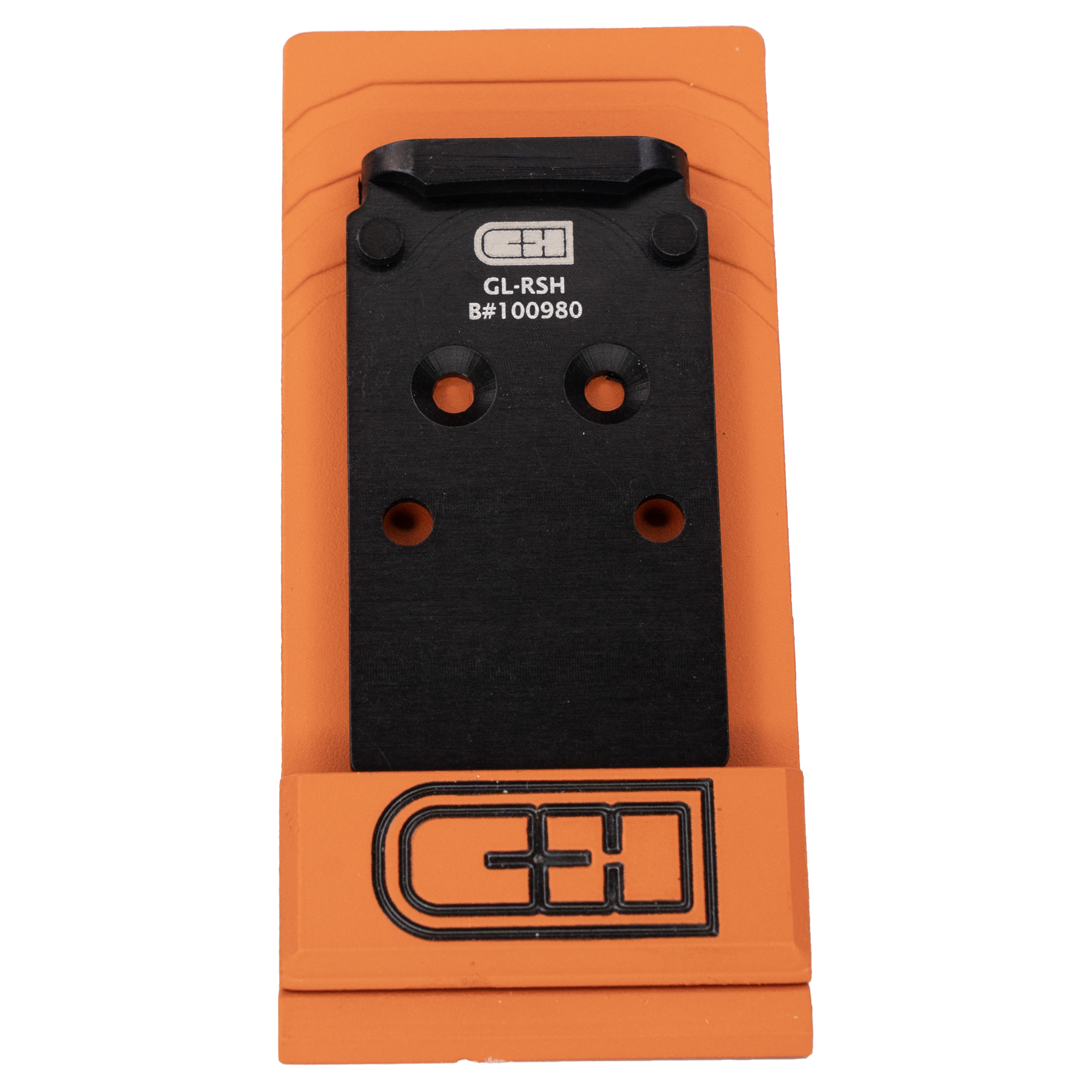
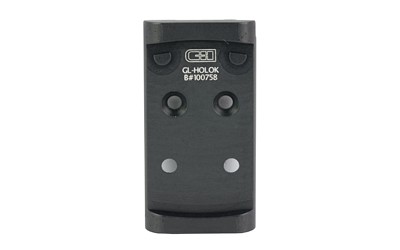
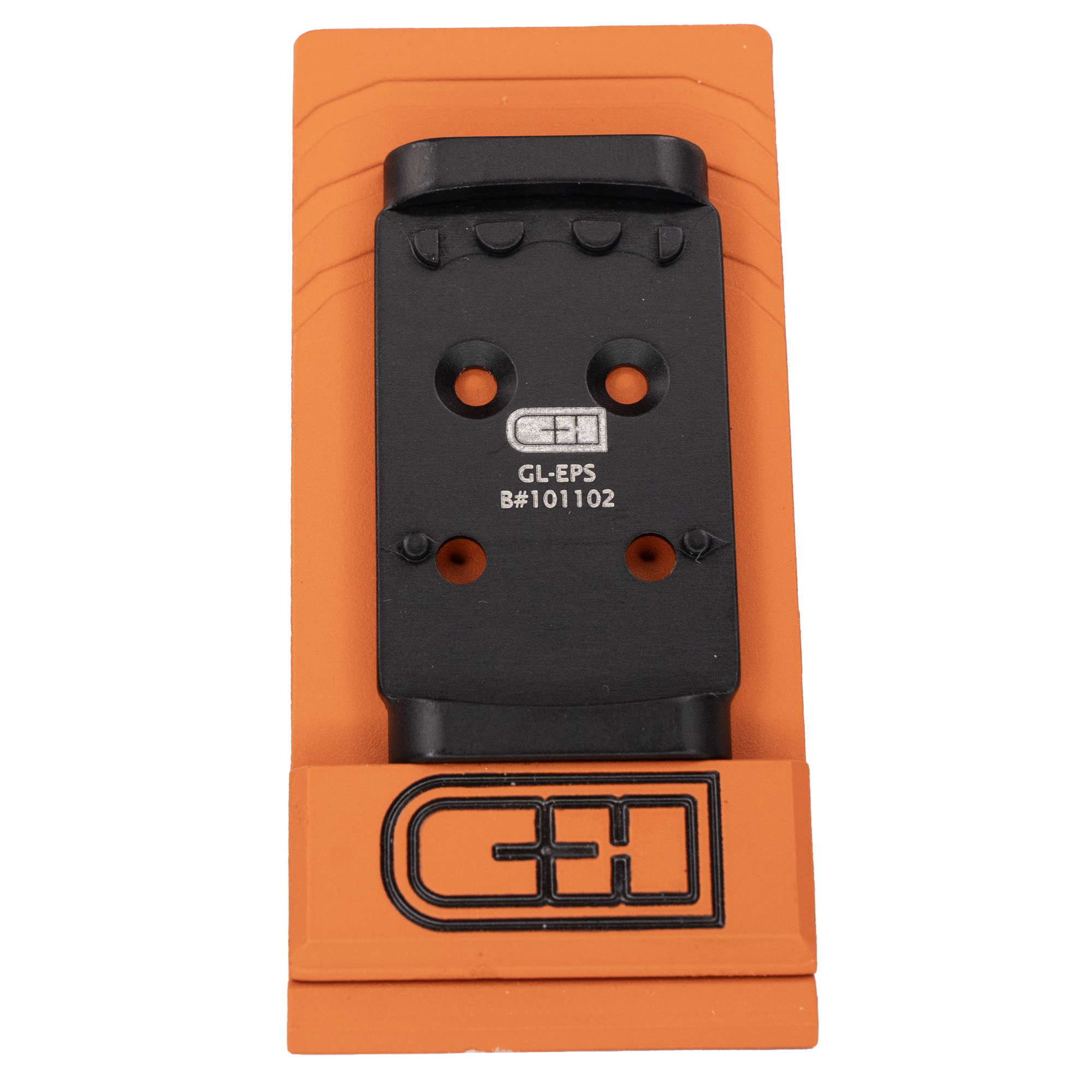
For enclosed-emitter and other footprints:
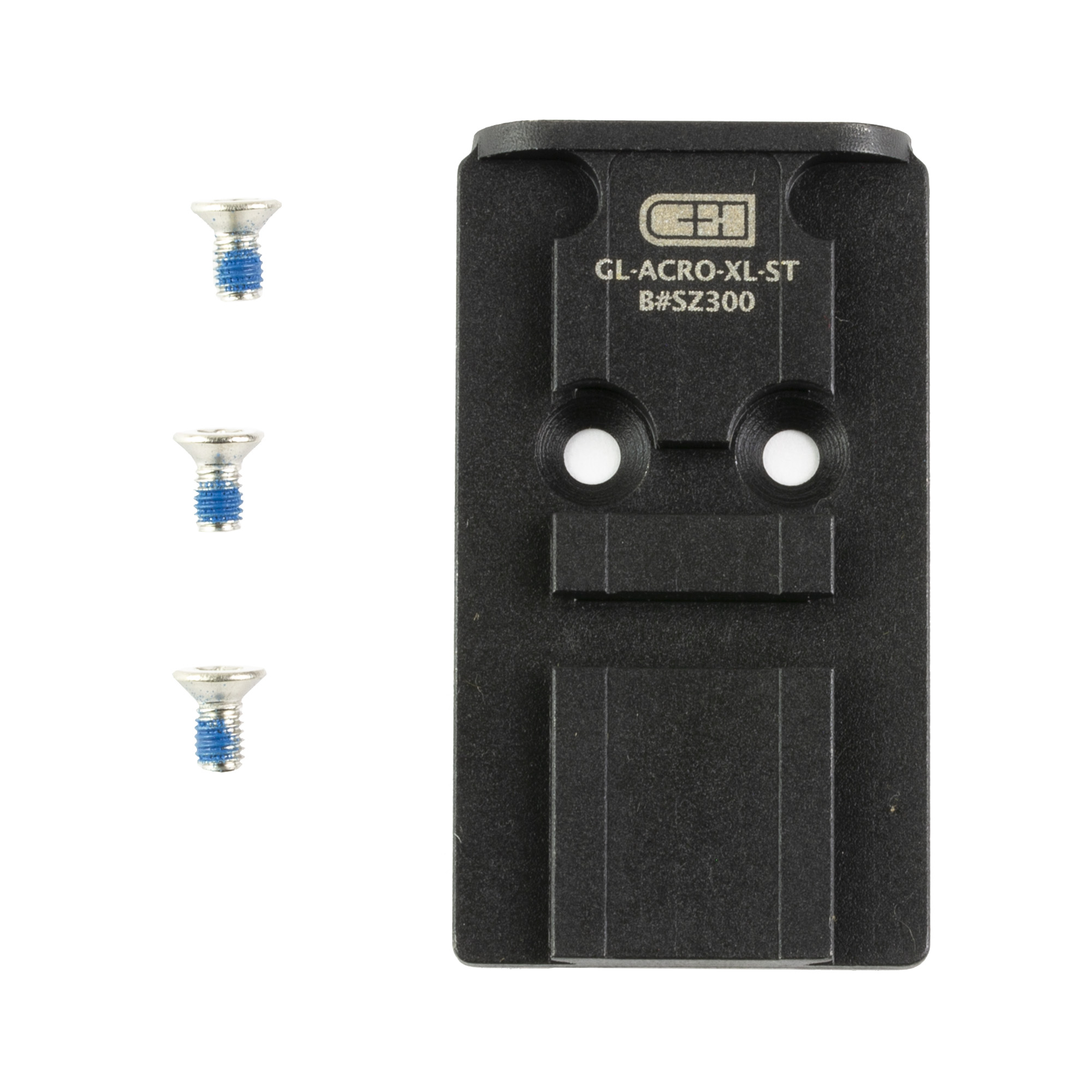
Mounting height and what it does to your grip
Adding a plate and an optic raises the sight line, and how much depends on the plate thickness plus the optic body. That changes where your eye needs to be at presentation.
Most people adapt within a magazine or two, but it is worth knowing why your first draws feel wrong: you are looking for the dot where the irons used to be. The fix is presentation practice, not moving the optic.
A lower-profile plate and a low-mounting optic keep the change small. An enclosed emitter sight sits higher by design, which is the trade for the sealed window.
Non-MOS slides
If your Glock is not a MOS model, you are choosing between having the slide milled or buying an aftermarket slide that is already cut. Milling is usually cheaper and keeps your original slide's fit; a new slide lets you change other things at the same time. Our Glock slides guide covers the options.
The short version
Identify your optic's footprint, buy a steel plate for that footprint, use the supplied screws with the correct threadlocker at the correct torque, and re-check them after the first range session. That sequence prevents almost every problem people have with red dots on this platform.
Filed underIron Sights/Glock/Optics/Buyer's Guide/How-To
FAQ
Frequently asked questions
What is a Glock MOS plate?
- MOS slides are milled with a generic recess and ship with adapter plates. You pick the plate matching your optic's footprint, screw it to the slide, then screw the optic to the plate. That is two interfaces rather than one, which is why plate quality matters.
How do I know which Glock optic plate I need?
- By your optic's footprint, not its brand. Common patterns are Trijicon RMR, Holosun K, Shield RMSc, Aimpoint ACRO and Leupold DeltaPoint Pro. Several makers share footprints and several use their own, so identify the pattern first.
Should I replace the factory Glock MOS plates?
- For a carry or competition gun, yes. The factory plates are polymer and can compress slightly under sustained use, which shows up as a zero that wanders rather than an obvious failure. A machined steel plate is the cheapest reliability upgrade available.
Why does my Glock red dot keep losing zero?
- Most often screw length or torque. A screw that is too long bottoms out before clamping the optic, so it feels tight without actually being tight. Use the screws supplied for that plate and optic, correct threadlocker, correct torque, and recheck after the first hundred rounds.
Do I need suppressor height sights with a red dot?
- Only if you want a backup sight picture, since mounting an optic raises the sight line above the factory irons. A carry gun benefits from backup sights; a range gun generally does not need them. Some aftermarket plates include an integrated rear sight instead.
Can I put a red dot on a non-MOS Glock?
- Yes, either by having the slide milled for your optic's footprint or by buying an aftermarket slide already cut. Milling is usually cheaper and keeps your slide's original fit, while a new slide lets you change other things at the same time.
Written by
GPP Editorial TeamAR Build Specialists
GunPartPicker guides are powered by data from real builds. What builders actually select tells the story.
Read next
All guides → IRON SIGHTS/09.15.26What Builders Actually Mounted in 2026: LPVO vs Red Dot
 CLONE BUILD/10.30.26M16A4 clone build: the USMC rifle, part by part
 IRON SIGHTS/09.19.26SIG XRAY5: A Pistol Dot With No Moving Zero
 LOWER RECEIVERS/08.16.26California-Legal AR-15 (2026): Featureless vs. Fixed-Mag & What to Buy
 SLIDES/09.24.26Best Glock Slides and Slide Completion Kits
 HOLSTERS/09.22.26Glock 19 Upgrades: What Is Worth It and What Is Not
 MAGAZINES/09.23.26Glock 43X and 48 Upgrades: The Slimline Parts That Actually Fit
 STATE LAW/09.17.26Glock Chassis and PDW Kits: What to Know Before You Buy
Tools for this guide
- Compatibility toolGlock Red Dot Fit CheckerPick how your Glock slide is cut and see which red dots mount directly, which need a plate, and the plates and optics in stock right now.
- Compatibility toolGlock Size ComparisonPick any two Glocks and see them to scale as real photos sized to Glock's published dimensions, side by side, from behind and as an X-ray, with the difference in length, height, width and weight in one line and the pistols in stock for each.
- Paint planner toolGun Paint PlannerRattle can guns online before you spray. Paint, stencil and camo a real photo of about 1,800 guns: AR-15s, AR-10s, AR-9s, AKs, every Glock, pistols, shotguns and bolt action rifles, the way the rattlecanned guns on r/rattlecannedguns are done, with Krylon, Rust-Oleum, Aluma-Hyde, DuraCoat and Cerakote colors, then get the cans to buy in spray order.