The Glock 19 is the most upgraded handgun in America, and most of that money is spent in the wrong order. People buy a barrel and a slide cut before they have replaced the sights the gun shipped with, then wonder why their groups did not change.
Here is the honest sequence. Work down it and stop whenever the pistol does what you need, because the returns fall off a cliff after the first three.
| Metric | Value |
|---|---|
| Do first | Sights |
| Do second | A light |
| Do third | Trigger |
| Usually last | Barrel |
First: sights, because the factory ones are the weak point
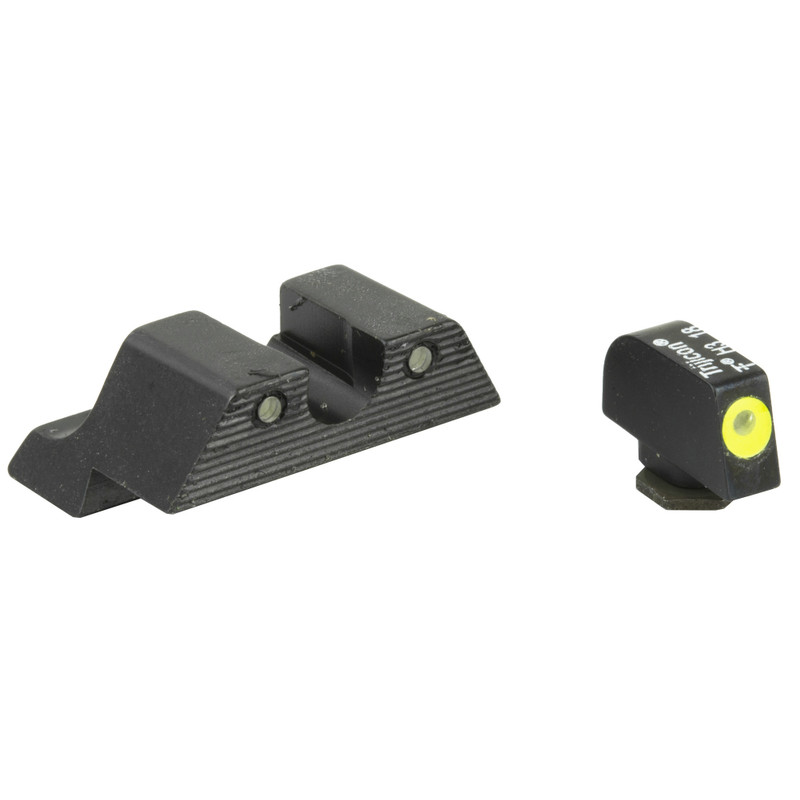
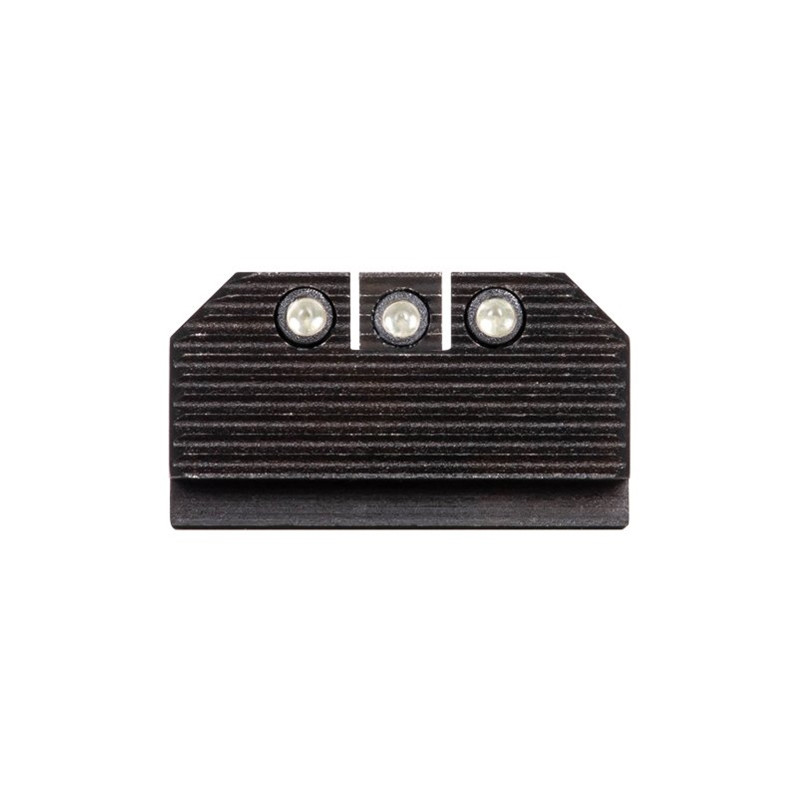
Glock ships with polymer sights. They are cheap to make, they are adequate, and they are comfortably the least good component on the pistol. The front sight is a plastic post with a dot painted on it and it can shear off.
Replacing them is the single cheapest change that improves practical accuracy, and it does so in exactly the situation that matters most: low light, under stress, when you need to find the front sight fast.
Look for a bright, high contrast front sight and a plain or blacked out rear. Three dots in a row look reassuring in the shop and slow you down on the timer, because your eye has to work out which dot is which. Tritium in the front is worth the money if the pistol has a defensive role.
Then: a red dot, if you will actually train with it
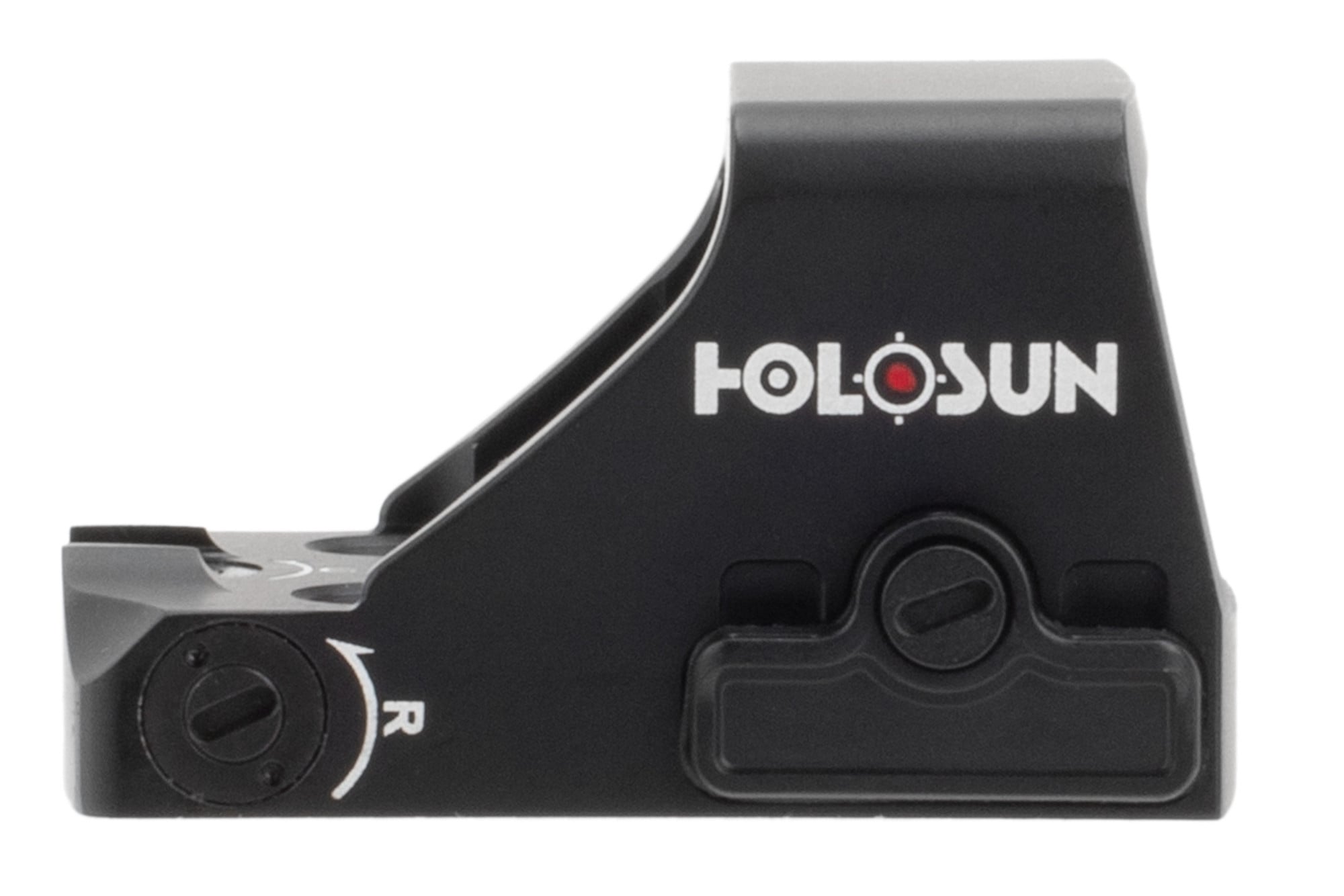
A pistol red dot is the largest single improvement available to a Glock 19, and it is also the one people most often buy and then shoot worse with for a while.
The dot is faster and more precise once you can find it consistently. Getting there takes deliberate practice, because presenting the pistol so the dot appears in the window every time is a skill and not a feature you buy. If you are not going to put in that work, better irons will serve you more honestly.
On a MOS slide the optic mounts through a plate. On a non-MOS slide it needs milling. Our red dot plate guide covers which plate fits which optic, and the Glock red dot fit checker will tell you what your specific pistol takes.

Then: a light, which is not optional on a defensive gun
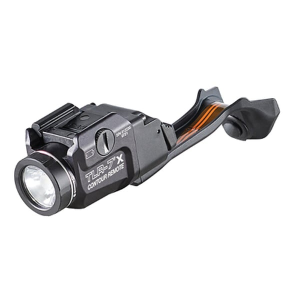
If the pistol has any home defense role, a light is not an accessory. Identifying your target is a legal and moral requirement, and you cannot do it in the dark without one.
A light also changes your holster requirements, so buy them together rather than discovering afterwards that nothing fits. Weapon light holsters are a smaller market than standard ones and the good options are model specific.

Then: the trigger, which matters less than the internet thinks
A Glock trigger upgrade is real, and it is smaller than its reputation.
Most of what is sold as a trigger is a trigger shoe. A flat face changes where your finger sits and therefore the leverage, which most people read as lighter and cleaner even when the scale reads the same. If you want an actual weight change, the connector and the striker spring are the parts doing that work.
For a carry gun, improve the break and the reset and leave the pull weight near factory. Our Glock trigger guide covers the four parts of the system and which one does what.

The holster is an upgrade, and people forget it
A good holster does more for how you actually use the pistol than most parts on this page. It has to hold the gun securely, present it the same way every time, and cover the trigger guard completely.
Buy for retention level appropriate to how you carry, and buy a real belt at the same time. Our holster guide makes the case that the belt matters more than the holster does, which sounds like a joke and is not.

Magazines, and the boring truth about reliability
Magazines cause more malfunctions than any other part of a semi automatic pistol. If your Glock is giving you trouble, suspect the magazine long before you suspect anything you bolted on.
Buy factory or well proven aftermarket, buy more than you think you need, and number them so you can identify the one that keeps failing. See our Glock magazine guide.

The barrel, which is usually last for a reason
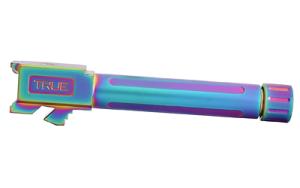
A match barrel is a real upgrade and it is the one most likely to be bought for the wrong reason.
The stock Glock barrel is more accurate than almost every shooter using it. A match barrel tightens groups measurably from a rest and changes very little about what you can do on demand. If you shoot from a bag and chase group size, buy one. If you shoot on a timer, spend the money on ammunition.
The genuine exceptions are threading, if you intend to run a suppressor, and shooting cast lead, which Glock's polygonal rifling is not ideal for.

What to skip
Slide cuts and porting for looks. Lightening a slide changes how the pistol cycles and can make it ammunition sensitive. If it is not solving a problem, it is creating one.
Reduced power striker springs on a carry gun. Covered above, and worth repeating.
Grip plugs and slide covers. They change nothing.
A second optic footprint. Pick a footprint and buy into it. Switching means new plates, new sights and usually a new zero.
Which Glock this also covers
The 19 shares most of its parts with several other models. The 45 and 19X use a 19 length slide on a 17 length frame, so slide parts, sights and optics cross over while holsters and magazines follow the frame. The 17 and 34 take the same fire control and sights with a longer slide.
Slimline models are the exception and share almost nothing. If you own a 43X or a 48, read the Slimline upgrade guide instead, because standard Glock parts will not fit. And for sizing, our 17 vs 19 vs 45 comparison covers which to own.
Filed underGlock/Holsters/Triggers/Optics/Buyer's Guide
FAQ
Frequently asked questions
What is the first upgrade I should do to a Glock 19?
- Sights. Glock ships polymer sights that are the weakest component on the pistol, and replacing them is the cheapest change that improves practical accuracy, particularly in low light. If you plan to add a red dot later, buy suppressor height or optics height irons now so you do not pay twice.
Is a Glock 19 trigger upgrade worth it?
- Real, but smaller than its reputation. Most of what is sold as a trigger is a shoe, which changes finger position and leverage rather than measured pull weight. For a carry gun the right goal is a cleaner break and a shorter reset with the weight left near factory, not a lighter pull.
Should I put a red dot on my Glock 19?
- Yes if you will train with it, because it is the largest single improvement available. It is also the upgrade people most often shoot worse with at first, since presenting the pistol so the dot lands in the window every time is a learned skill. If you will not put in that practice, better irons serve you more honestly.
Do I need a match barrel for a Glock 19?
- Usually not. The stock barrel is more accurate than almost every shooter using it, and a match barrel tightens groups from a rest while changing little on a timer. The genuine reasons to buy one are threading for a suppressor, or shooting cast lead, which Glock's polygonal rifling does not suit.
What Glock 19 upgrades should I avoid?
- Cosmetic slide cuts and porting, which change how the pistol cycles and can make it ammunition sensitive. Reduced power striker springs in a defensive pistol, which trade reliability for pull weight. Grip plugs and slide covers, which change nothing. And buying into a second optic footprint.
Do Glock 19 parts fit the Glock 45 and 19X?
- Partly. The 45 and 19X use a 19 length slide on a 17 length frame, so slide parts, sights and optics cross over, while magazines and holsters follow the larger frame. Slimline models like the 43X and 48 are a separate ecosystem and share almost nothing with the 19.
Why does my Glock malfunction after upgrades?
- Suspect the magazine first, because magazines cause more semi automatic malfunctions than any other part. After that, look at anything you changed in the fire control or recoil system. Lightened slides and reduced power springs in particular can make a pistol sensitive to specific ammunition.
Written by
GPP Editorial TeamAR Build Specialists
GunPartPicker guides are powered by data from real builds — what builders actually select tells the story.
Read next
All guides → HOLSTERS/09.21.26Ruger RXM Upgrades: Which Glock Parts Actually Fit
 HOLSTERS/09.21.26Glock Gen6: Which Models Come Next, and What Fits Now
 MAGAZINES/09.23.26Glock 43X and 48 Upgrades: The Slimline Parts That Actually Fit
 HOLSTERS/09.18.26SIG P385: Specs, Price and What Fits
 TRIGGERS/09.16.26Best Glock Triggers in 2026
 STATE LAW/09.17.26Glock Forced Reset Triggers: What Fits and What Is Legal
 SLIDES/09.24.26Best Glock Slides and Slide Completion Kits
 STATE LAW/09.17.26Glock Chassis and PDW Kits: What to Know Before You Buy
Tools for this guide
- Compatibility toolGlock Red Dot Fit CheckerPick how your Glock slide is cut and see which red dots mount directly, which need a plate, and the plates and optics in stock right now.
- Compatibility toolFRT and Binary Trigger PickerChoose your platform and see every forced reset trigger, binary trigger and Super Safety the catalog carries for it, what the host needs to run one, and where each is in stock.
- Legal toolGun Travel CheckerCan I bring my gun to another state? Pick where you start, where you are going and what is coming along: carry pistol, AR-15, magazines, suppressor, SBR, brace, forced reset or binary trigger, hollow points. Every state on the route is checked for transporting firearms across state lines: magazine limits, assault weapon bans, NFA rules, carry permit type and trigger bans, with what to do before the state line.