What a trigger job actually changes, what it does not, and how to pick without wasting money
Best Glock Triggers in 2026
The Glock trigger is the most commonly replaced part on the platform, and it is also the one people most often buy wrong. The core reason is simple: most of what is sold as a "trigger" is a trigger shoe, and a shoe changes how the pull feels without changing what the pull actually weighs.
That is not a scam. Feel matters. But you should know which one you are buying.
The system, in four parts
A Glock fire control group is not one component. Four parts decide what you feel:
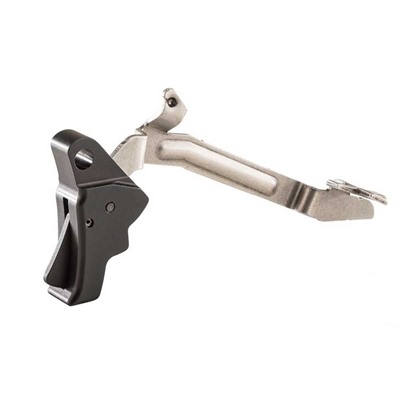
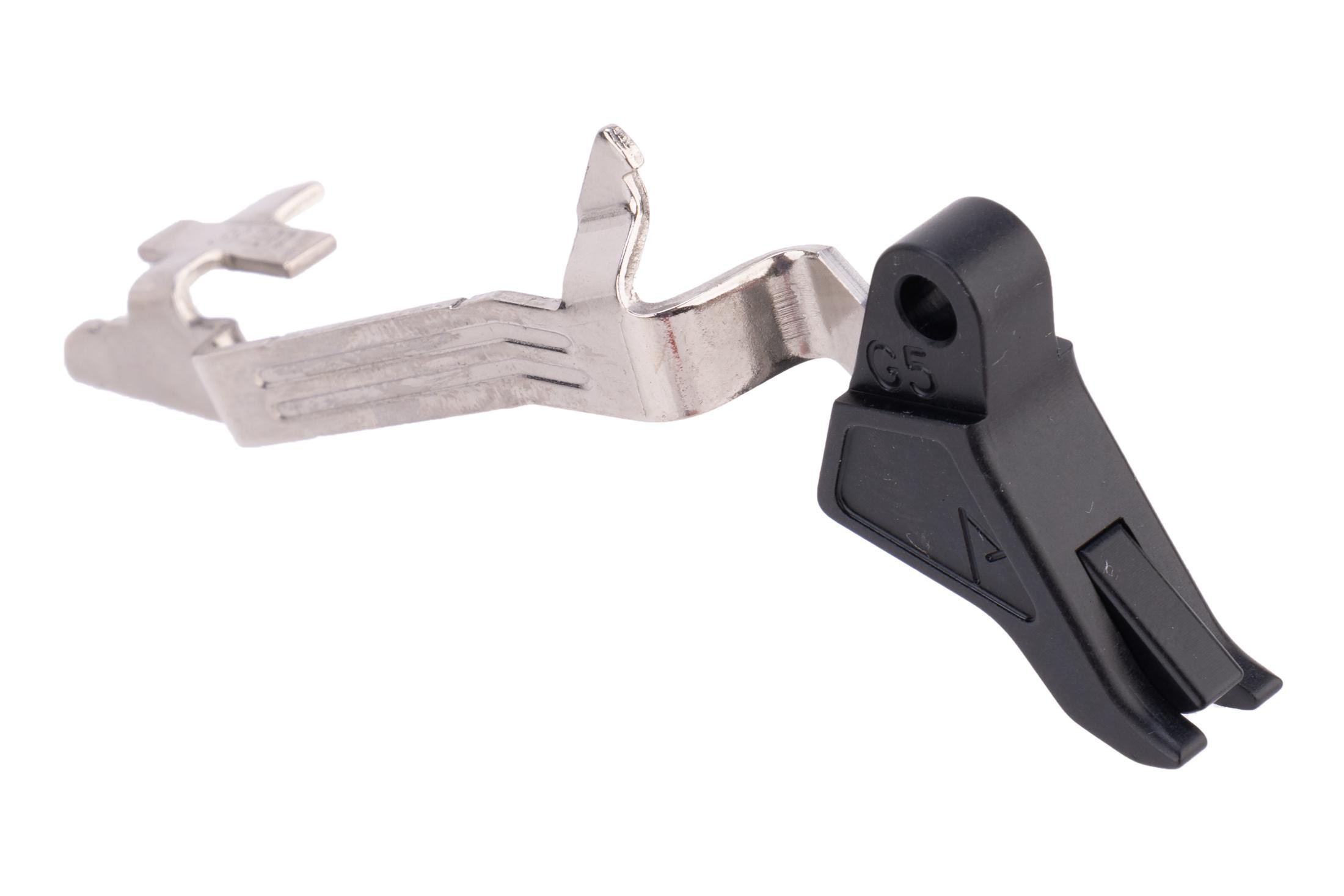
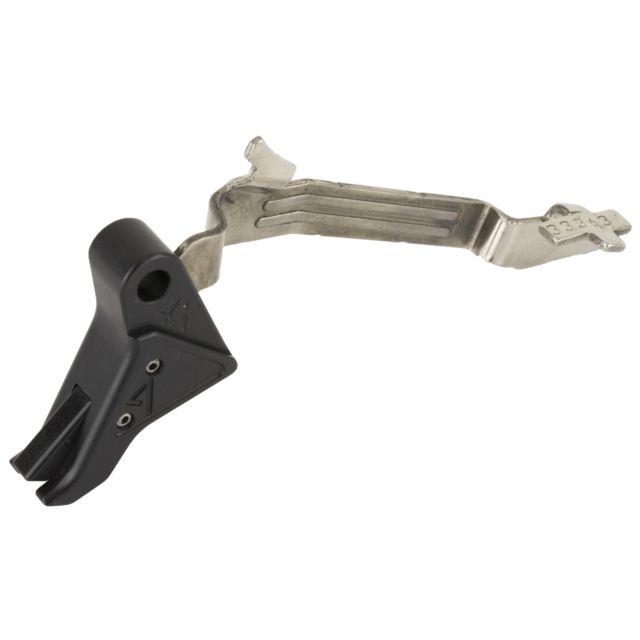
- Trigger shoe and bar. The part your finger touches, and the bar it is riveted to. Swapping to a flat face changes where your finger sits and therefore the leverage, which most people read as a lighter, cleaner pull even when the scale says the same number.
- Connector. The wedge that controls how the striker is released. This is the part that genuinely moves pull weight and shapes the break.
- Striker spring. Changes striker energy. Going lighter reduces pull weight and reduces ignition reliability, which is a real trade and not a free one.
- Trigger spring. Affects reset feel and return.
A lot of disappointment comes from buying an expensive shoe and expecting a lighter pull. If your goal is a specific pull weight, the connector and striker spring are what you are shopping for. If your goal is a cleaner, flatter, more predictable break, the shoe is the right purchase.
| Metric | Value |
|---|---|
| Changes feel | The shoe |
| Changes weight | The springs |
| Carry advice | Leave weight alone |
Drop-in kits versus piecing it together
Drop-in kits give you a matched shoe, bar, connector and springs designed to work together, usually with a stated pull weight. They are easier to install, easier to reverse, and far more predictable. For most people this is the right answer.
Piecing it together lets you tune exactly what you want and usually costs less, but you are responsible for making sure the combination is safe and reliable. Mixing a light striker spring with an aggressive connector is where people create guns that fail to ignite primers.
Choosing by what the pistol is for
Carry and home defense
Do not chase a light pull. A carry pistol wants a clean, consistent break and a short, positive reset, with the pull weight left near factory. A flat-faced shoe and a quality connector gets you most of the improvement without reducing the margin that keeps the gun safe under stress and reliable with every primer you feed it.
Avoid reduced-power striker springs in a defensive pistol. The failure they cause is a click when you need a bang.
Competition
This is where lighter genuinely helps, because the context is controlled and the gun is fed known ammunition. Flat shoe, tuned connector, short take-up and a crisp wall. Check your division rules before buying, because some formats set a minimum pull weight.
Range and general shooting
A drop-in kit in the middle of the range is the best value in the category. You get the flat face, a better break and a cleaner reset, and you are not managing reliability trade-offs.
What a trigger will not fix
Two things get blamed on the trigger that are not the trigger.
The first is grip. A Glock's bore sits fairly high over the hand, and low, inconsistent grip pressure produces exactly the muzzle rise and low-left groups people try to buy their way out of. If your shots move when you shoot faster, that is grip and trigger control, not the part.
The second is sights. A better break will not help you hit something you cannot see clearly. If the factory plastic sights are still on the pistol, replacing those buys more practical accuracy per dollar than any fire control part, and a red dot buys more again.
Spend on the trigger once those are handled, not before.
What generation you have matters
Glock changed the fire control between generations, and Gen 5 in particular is not compatible with earlier connectors and bars. Gen 6 is different again. Buy for your specific generation and, where the maker distinguishes it, your specific model. This is the single most common ordering mistake in this category.
Any change to a fire control group affects how the pistol discharges. After installing, function check the pistol thoroughly, confirm the trigger safety and striker safety operate correctly, and test with the ammunition you intend to carry before trusting it. If you are not confident doing this, have a gunsmith fit it.
Drop-in triggers worth looking at
Slimline and subcompact options
The 43, 43X and 48 use their own fire control parts and are not served by standard Glock trigger kits.

What we would actually buy
For a carry gun, a flat-faced drop-in kit at or near factory pull weight. For a competition gun, a tuned kit at the lightest weight your division allows and your ammunition reliably ignites. For everything else, the mid-priced drop-in kit for your generation.
And if the pistol is new to you, shoot it several hundred rounds first. Glock triggers smooth out considerably with use, and a meaningful number of people buy a trigger to fix something that break-in would have improved for free.
Frequently Asked Questions
GPP Editorial Team
AR Build Specialists
GunPartPicker guides are powered by data from real builds — what builders actually select tells the story.
Related Guides
Tools for this guide
- Legal toolGun Travel CheckerCan I bring my gun to another state? Pick where you start, where you are going and what is coming along: carry pistol, AR-15, magazines, suppressor, SBR, brace, forced reset or binary trigger, hollow points. Every state on the route is checked for transporting firearms across state lines: magazine limits, assault weapon bans, NFA rules, carry permit type and trigger bans, with what to do before the state line.
- Compatibility toolFRT and Binary Trigger PickerChoose your platform and see every forced reset trigger, binary trigger and Super Safety the catalog carries for it, what the host needs to run one, and where each is in stock.
- Compatibility toolGlock Red Dot Fit CheckerPick how your Glock slide is cut and see which red dots mount directly, which need a plate, and the plates and optics in stock right now.