The Ruger RXM is a Glock 19 pattern pistol built with Magpul, and it is more interesting than the phrase "Glock clone" suggests. It borrows the Glock 19 footprint and much of the Gen 3 internal architecture, then does one thing Glock does not: it puts the serial number on a removable fire control insert.
That single decision is what the upgrade path is built around, and it also explains which parts cross over and which do not.
| Metric | Value |
|---|---|
| The design | Chassis |
| Mostly fits | Gen 3 parts |
| Optic cut | Multi |
| Verify | Holsters |
The chassis, and why it changes the pistol
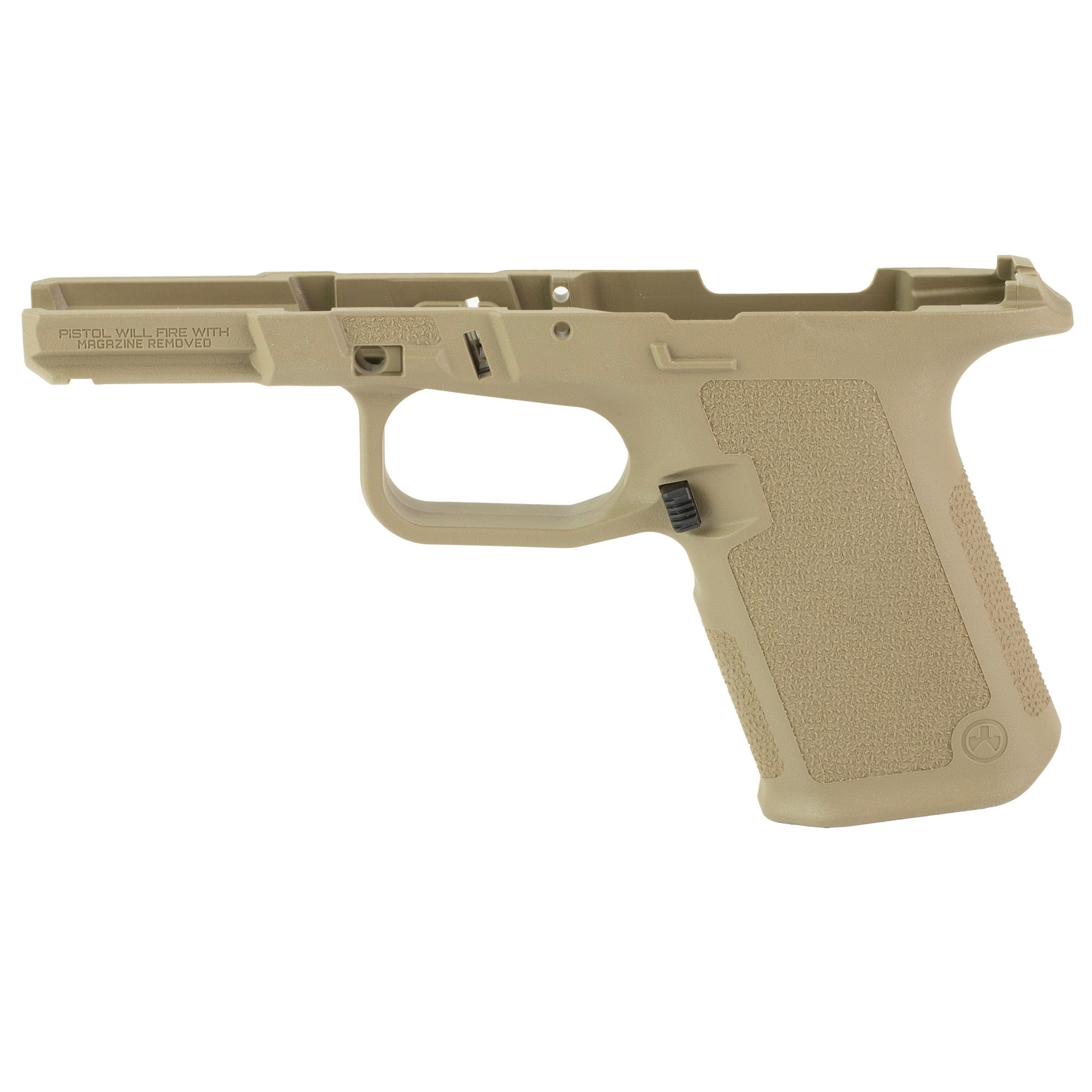
On a Glock, the frame is the firearm. Change the grip and you are changing the serialized part, which means a transfer.
On the RXM, the serialized component is a fire control insert that lifts out of the grip module, the same architecture used by the SIG P320 and P365 and the Springfield Echelon. The grip itself is an ordinary part you can buy and swap.
Practically this means the grip module is the headline upgrade, and it is a real one. You can change the size, the texture and the frame configuration of the pistol without a transfer and without giving up your zero, your slide or your optic.
It is not quite as quick as SIG made it. Expect to need a punch and a hammer, and a small bench block makes it considerably easier. This is a bench job, not a range job.


What Glock parts actually fit
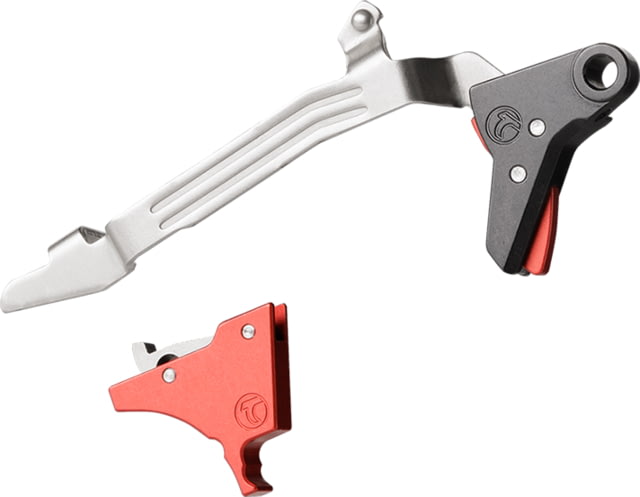
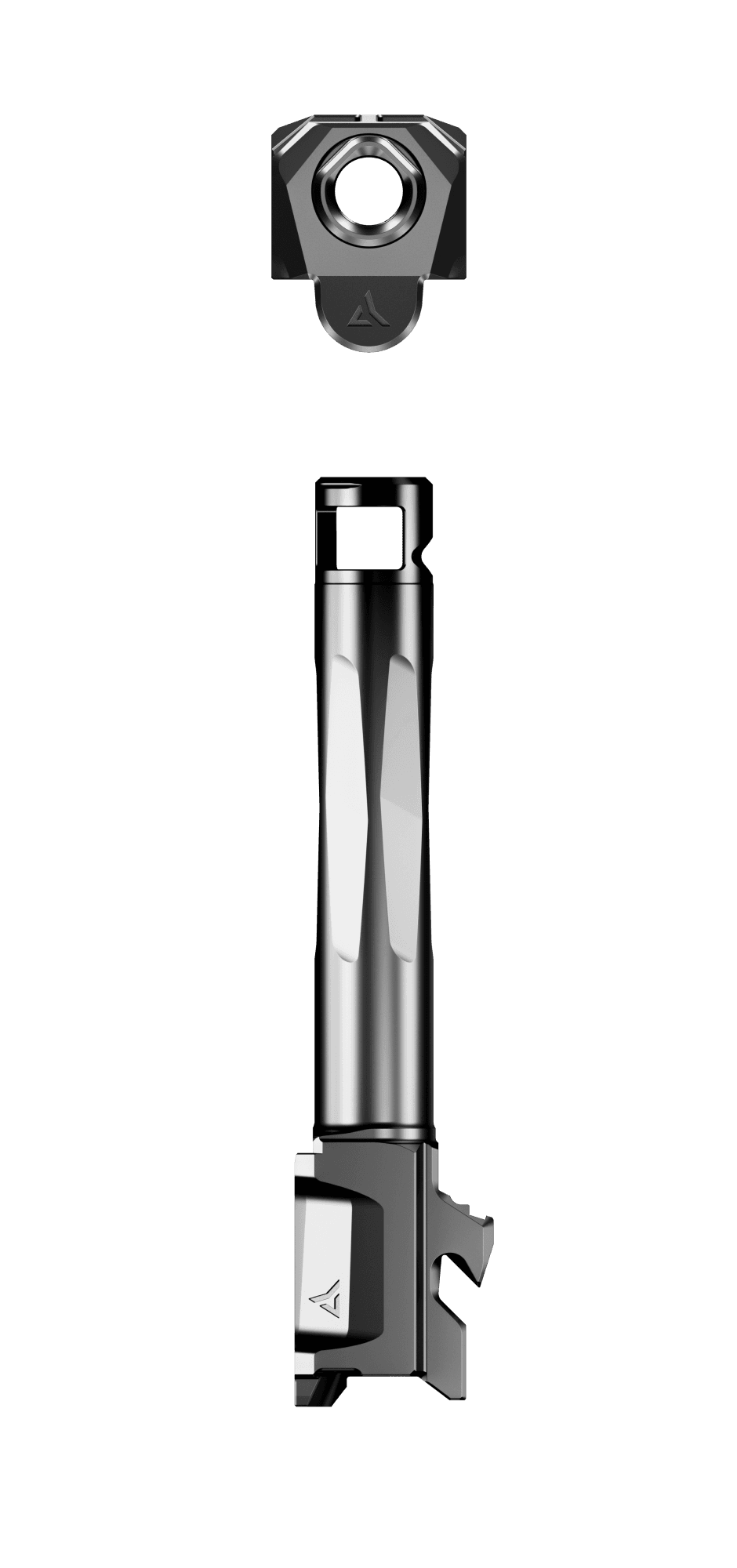
The internals largely cross over from Gen 3 pattern Glock parts, which is why the aftermarket support is much better than a brand new platform would normally have. That covers a good deal of what sits inside the slide.
But treat "mostly compatible" as what it is. Some parts drop straight in, some need fitting, and some do not work at all. Buy from makers who explicitly list the RXM rather than assuming a Glock 19 part will work, and check fit before you trust the gun.
Several manufacturers now make RXM specific parts, which is the safer route for anything in the fire control or the recoil system.
Magazines: close to Glock, not identical
The RXM feeds from double stack 9mm Glock pattern magazines, and the magazine well was designed around the Magpul PMAG GL9.
That is the important nuance. Not every Glock 19 magazine is guaranteed to drop in cleanly, and the tolerances that matter here are at the feed lips and the body dimensions rather than the general pattern. PMAGs and factory Glock magazines are the safe starting point.
Buy a couple, confirm they seat, drop free and feed reliably, and only then buy in quantity. That is good practice with any pistol and it matters more on a host that reads as compatible rather than identical.

The optic cut is genuinely better than Glock's
This is the RXM's quiet advantage and it is worth knowing about.
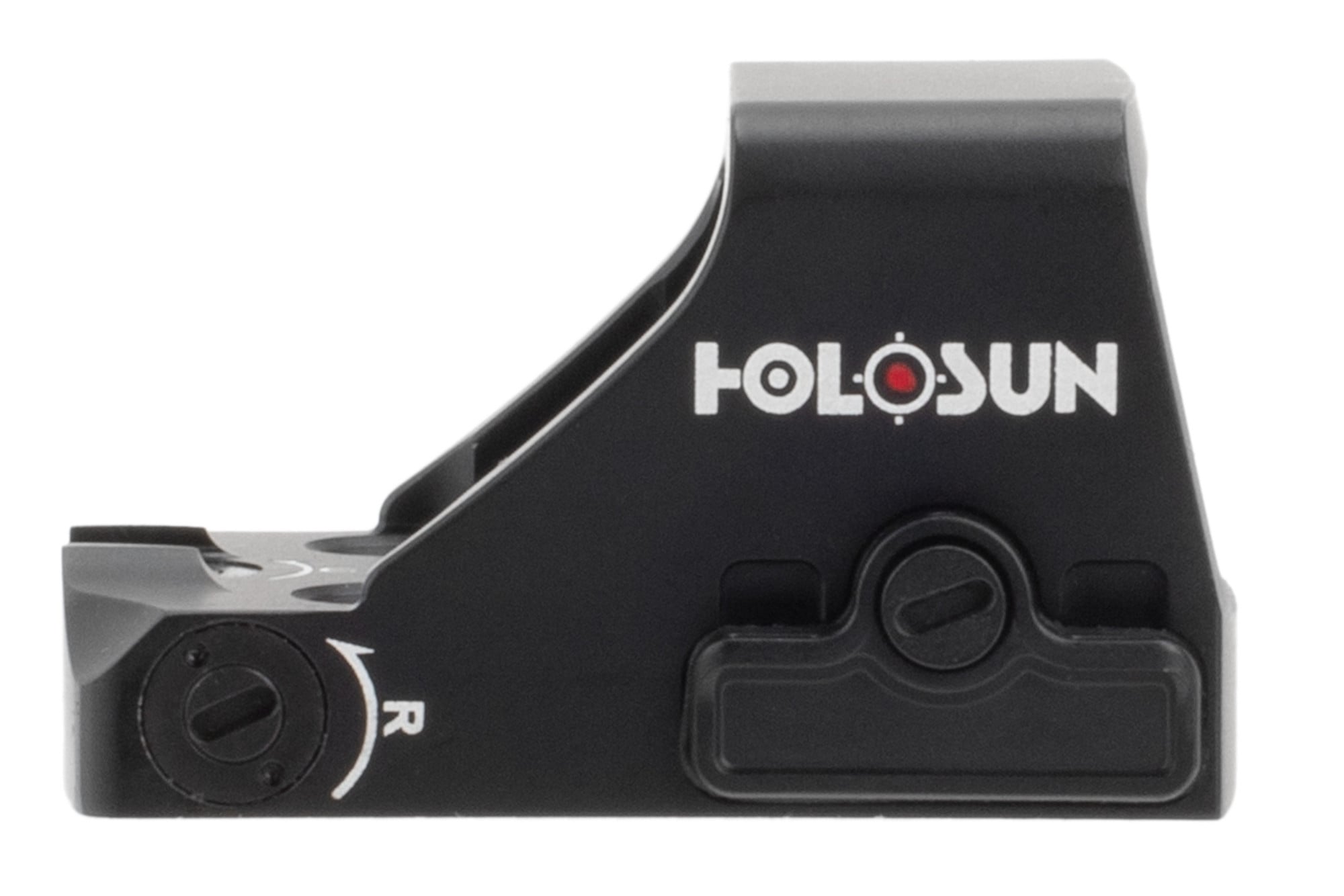
Rather than shipping a stack of adapter plates, the RXM uses a multi footprint cut with repositionable pins. You remove the cover plate, move the pins to match your optic's footprint, and mount the optic directly to the slide. It covers the common footprints including RMR pattern, DeltaPoint Pro and the Holosun K pattern.
Mounting directly to the slide rather than through a plate means one fewer interface to come loose, which is the usual failure mode on plate mounted pistol optics. If you have fought with Glock MOS plates, this will be a pleasant surprise.
Use thread locker, torque to the optic maker's specification, and re zero.

Holsters: check, do not assume
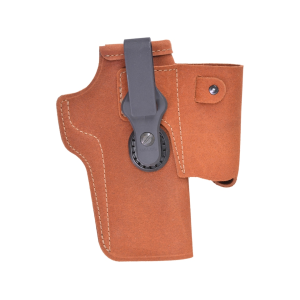
The RXM has a very similar external footprint to a Glock 19, so most Glock 19 holsters will take it. That is a genuine advantage and it means the enormous Glock 19 holster market is broadly open to you.
The caveat is that the Magpul grip module is not an exact copy of a Glock 19 frame, so retention and fit can differ, particularly on moulded kydex with tight tolerances. Test the specific holster with the specific grip module you are running, and retest if you swap modules, because the module is the part the holster grips.
Some makers now list the RXM explicitly, which is the safer purchase.

Lights
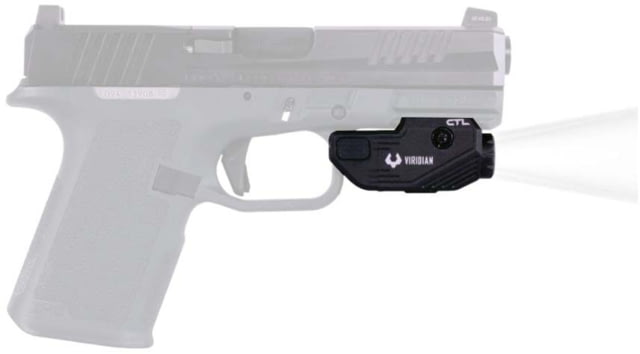
The RXM uses a standard accessory rail, so the common rail mounted pistol lights fit. As with the holster, buy the light before the holster, because a weapon light changes what will hold the gun.
The sensible upgrade order
- Sights, if you are running irons. Same as any striker fired pistol, the factory sights are the weakest component.
- An optic, since the multi footprint cut makes this easier here than on most pistols.
- A light, if the pistol has any defensive role.
- A holster, bought after the light and the optic are fitted.
- A second grip module, which is the upgrade unique to this platform and the one that changes the pistol most.
- Fire control parts, from makers who list the RXM, and function checked properly.
If you are coming from a Glock, our Glock 19 upgrade guide covers the parts logic that carries over, and the red dot plate guide explains the plate system the RXM manages to avoid.
Filed underGlock/Holsters/Triggers/Optics/Buyer's Guide
FAQ
Frequently asked questions
Do Glock parts fit the Ruger RXM?
- Many internal parts cross over from Gen 3 pattern Glock components, which is why aftermarket support is unusually good for a newer platform. But compatibility is broad rather than total, so buy from makers who explicitly list the RXM, especially for fire control and recoil parts, and check fit before trusting the pistol.
Does the Ruger RXM take Glock 19 magazines?
- It feeds from double stack 9mm Glock pattern magazines, and the magazine well was designed around the Magpul PMAG GL9. Not every Glock 19 magazine is guaranteed to drop in cleanly, so buy one or two first, confirm they seat, drop free and feed reliably, then buy in quantity.
What makes the Ruger RXM different from a Glock?
- The serial number is on a removable fire control insert rather than the frame, the same architecture as the SIG P320 and Springfield Echelon. That means the grip module is an ordinary part you can buy and swap, so one pistol can be full size, compact or subcompact without a transfer.
How hard is it to change the RXM grip module?
- It is a bench job rather than a range job. Expect to need a punch and a hammer, and a small bench block makes it considerably easier. It is straightforward but not as quick as the tool light swaps some competing chassis pistols allow.
What optics fit the Ruger RXM?
- The RXM uses a multi footprint cut with repositionable pins rather than adapter plates, covering common footprints including RMR pattern, DeltaPoint Pro and Holosun K. You move the pins to match your optic and mount it directly to the slide, which removes the plate interface that usually works loose.
Will Glock 19 holsters fit the Ruger RXM?
- Most will, since the external footprint is very similar and that opens up the large Glock 19 holster market. The Magpul grip module is not an exact copy of a Glock 19 frame though, so retention can differ on tightly moulded kydex. Test the specific holster, and retest if you swap grip modules.
Written by
GPP Editorial TeamAR Build Specialists
GunPartPicker guides are powered by data from real builds — what builders actually select tells the story.
Read next
All guides → HOLSTERS/09.22.26Glock 19 Upgrades: What Is Worth It and What Is Not
 HOLSTERS/09.21.26Glock Gen6: Which Models Come Next, and What Fits Now
 MAGAZINES/09.23.26Glock 43X and 48 Upgrades: The Slimline Parts That Actually Fit
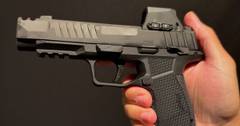 HOLSTERS/09.18.26SIG P385: Specs, Price and What Fits
 TRIGGERS/09.16.26Best Glock Triggers in 2026
 STATE LAW/09.17.26Glock Forced Reset Triggers: What Fits and What Is Legal
 SLIDES/09.24.26Best Glock Slides and Slide Completion Kits
 STATE LAW/09.17.26Glock Chassis and PDW Kits: What to Know Before You Buy
Tools for this guide
- Compatibility toolGlock Red Dot Fit CheckerPick how your Glock slide is cut and see which red dots mount directly, which need a plate, and the plates and optics in stock right now.
- Compatibility toolFRT and Binary Trigger PickerChoose your platform and see every forced reset trigger, binary trigger and Super Safety the catalog carries for it, what the host needs to run one, and where each is in stock.
- Legal toolGun Travel CheckerCan I bring my gun to another state? Pick where you start, where you are going and what is coming along: carry pistol, AR-15, magazines, suppressor, SBR, brace, forced reset or binary trigger, hollow points. Every state on the route is checked for transporting firearms across state lines: magazine limits, assault weapon bans, NFA rules, carry permit type and trigger bans, with what to do before the state line.