Builds inspired by SEAL-era carbines usually disappoint people who expect something exotic. The rifles are plain. That plainness is not a budget compromise or a lack of imagination, it is the endpoint of carrying something a lot and finding out what you actually use.
| Metric | Value |
|---|---|
| Barrel | 14.5 in |
| On the rifle | Four things |
| The lesson | Restraint |
14.5 inches, again
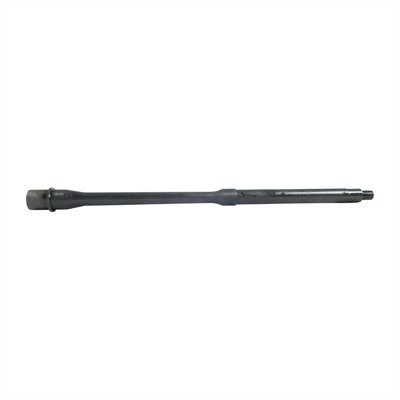
The same length keeps appearing across this whole clone track and there is a reason. Fourteen and a half inches is short enough to work in vehicles, aircraft and buildings, and long enough to keep useful velocity and a mid-length gas system.
Our barrel length data shows it as the second most selected length among builders today, decades after it was specified.
For a civilian build, either pin and weld a muzzle device to reach legal rifle length, or build on 16 inches and accept a slightly longer rifle. Both are reasonable.

Mid-length gas, deliberately
On a 14.5 inch barrel you can run carbine or mid-length gas. Mid-length is the better choice and it is worth understanding why, because it is a free improvement.
A longer gas system means the bullet has passed further down the barrel before gas is tapped, so pressure at the port is lower and the impulse is gentler. The result is softer recoil, less violent extraction and less wear on the bolt and buffer.
There is no downside on a barrel long enough to support it. Our gas block guide covers the tuning side.
Four things on the rifle
This is the part that surprises people. A working carbine tends to carry an optic, a light, a sling, and something to hold onto. That is close to the whole list.
Optic. A quality red dot, mounted low, left switched on. Our LPVO versus red dot data shows non-magnified sights taking the clear majority of selections, and this is the use case that explains it.
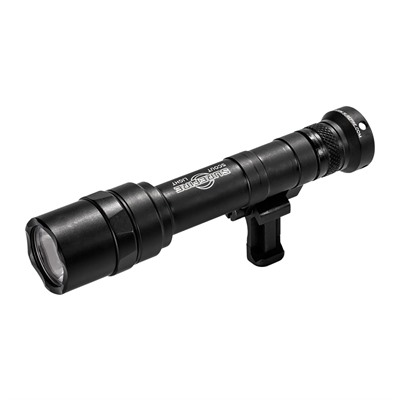
Light. For identifying what you are pointing at, positioned so your support thumb reaches the switch without breaking grip.

Sling. A two-point adjustable sling. The least interesting and most useful thing on any fighting rifle.
A hand stop or short vertical grip, only if it helps you index consistently.
Controls worth changing
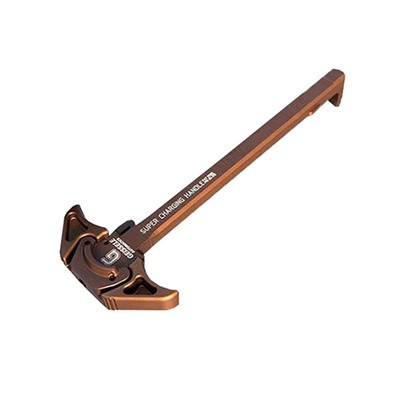
An ambidextrous safety is the single highest-value control change, because you will shoot from both shoulders around cover. An extended or ambidextrous charging handle helps when an optic crowds your hand.

A good trigger is a genuine quality of life improvement and is not load bearing. Buy it after the parts that decide whether the rifle runs.
What gets left off, and why
No magnified optic, because the distances do not require it and magnification costs weight and field of view.
No laser, unless you own night vision, because an aiming laser without goggles is a solution to a problem you do not have.
No bipod, because this is not a rifle you shoot prone from a fixed position.
No suppressor in the base configuration, though this is the one addition that genuinely improves the rifle if you can get one.
Weight is the hidden constraint
The reason working rifles end up plain is weight, and it is hard to appreciate until you have carried one for a few hours.
A bare carbine is manageable. Add an optic, a light, a laser, a magnifier, a bipod, a vertical grip and a loaded magazine, and you have often added several pounds, most of it forward of the receiver where it does the most damage to how the rifle handles.
Weight does not just tire you. It slows your transitions between targets, it makes the rifle harder to hold steady when your heart rate is up, and it is the reason a rifle that felt great on a bench feels awful at the end of a day.
Weigh your rifle once it is built. Most people are surprised, and most people then take something off.
Build order
- A rifle that runs: barrel, bolt carrier group, gas system.
- A light.
- An optic.
- A sling.
- Controls and trigger.
- Everything else, if you still want it.
That ordering comes up repeatedly in our build data and in every working configuration here. Our build order analysis covers what people actually do versus what they should.
Related clone builds
The M4A1 Block II and the URG-I are the issued configurations this reasoning tracks alongside. For the same philosophy applied by people buying their own equipment, see the 13 Hours contractor carbine, and for the modern special operations version, The Terminal List build.
Filed underClone Build/AR-15/5.56 NATO/Optics/Lights/CQB/Build Guide
FAQ
Frequently asked questions
What does a SEAL-era style carbine look like?
- Plainer than most people expect. Typically a 14.5 inch mid-length carbine with a free-float rail, a non-magnified optic, a weapon light and a two-point sling. Working rifles tend to get simpler over time rather than more complicated.
Why 14.5 inches rather than 16?
- Short enough to work in vehicles, aircraft and buildings, long enough to keep useful velocity and support a mid-length gas system. For a civilian build you pin and weld a muzzle device to reach legal rifle length, or build on 16 inches instead.
Is mid-length gas better than carbine gas?
- On a barrel long enough to support it, yes, with no real downside. The bullet travels further before gas is tapped, so port pressure is lower and the impulse is gentler, meaning softer recoil and less wear on the bolt and buffer.
What accessories does a working carbine actually need?
- An optic, a light, a sling, and something to hold onto. That is close to the complete list. Accessories that seem essential in a catalogue tend to come off once you have carried the weight and found you never used them.
Should I add a laser to my AR-15?
- Only if you own night vision. An infrared aiming laser is designed to be used under goggles, where you cannot comfortably get behind an optic. Without night vision it solves a problem you do not have.
What order should I buy parts in?
- A rifle that runs first, meaning barrel, bolt carrier group and gas system. Then a light, then an optic, then a sling, then controls and trigger. That ordering appears consistently across working configurations and in our build data.
Written by
GPP Editorial TeamAR Build Specialists
GunPartPicker guides are powered by data from real builds. What builders actually select tells the story.
Read next
All guides → CLONE BUILD/10.14.2613 Hours Build: The Contractor Carbine
 CLONE BUILD/10.14.26Act of Valor build: the Bandito Platoon SEAL carbine
 CLONE BUILD/10.15.26Black Hawk Down build: the Ranger and Delta carbines on screen
 CLONE BUILD/09.16.26CQBR Block I Clone Build Guide: Every Part You Need
 CLONE BUILD/09.18.26Christian Craighead's Nairobi Rifle: The L119A2, Part by Part
 CLONE BUILD/10.20.26The Terminal List Build: A Working SOF Carbine
 CLONE BUILD/09.16.26CQBR Block II Clone Build Guide: The Daniel Defense Upgrade
 CLONE BUILD/10.15.26Heat Build: The Colt 733 From the Bank Shootout
Tools for this guide
- Legal toolGun Travel CheckerCan I bring my gun to another state? Pick where you start, where you are going and what is coming along: carry pistol, AR-15, magazines, suppressor, SBR, brace, forced reset or binary trigger, hollow points. Every state on the route is checked for transporting firearms across state lines: magazine limits, assault weapon bans, NFA rules, carry permit type and trigger bans, with what to do before the state line.
- Legal toolSBR Planner (3D)Set the barrel anywhere from 7.5 to 16 inches, put a stock, a brace or a folder on the back, pin a muzzle device or slide on a can. The ruler under the rifle shows whether you've cleared the 16 inch barrel line and the 26 inch overall line. Pick your state for its SBR, suppressor and assault weapon rules, then price every part and open the build in one click.
- Planning toolAR Build Cost CalculatorHow much does it cost to build an AR-15? Pick caliber, barrel length, stock or brace and optic, then drag both edges of the price band from the cheap end to the top end. Every slot fills with the part builders add most that is in stock, priced live. The headline total is the core rifle, optics and extras are priced separately, and beside them sits what builders really pay per slot, measured from real part picks. Roll a random build, or open yours in the builder in one click. Computed from over 1 million AR parts selected on GunPartPicker since 2020.