Gun Laws/Connecticut/Reviewed September 16, 2026
Are forced reset triggers legal in Connecticut?
Quick answer
No
Connecticut: Treated as a machine gun or rapid fire device under state law.
3 of Connecticut's 3 neighboring states have the same status. Check each one before you cross a state line with forced reset triggers.
Not legal advice. Source: GunPartPicker state law review, September 16, 2026
Forced reset trigger laws by state
Triggers that stay legal in Connecticut
A forced reset trigger is treated as a machine gun in Connecticut. A fast single stage drop in is not.
In stock, ranked by what builders add most. One listing per model.

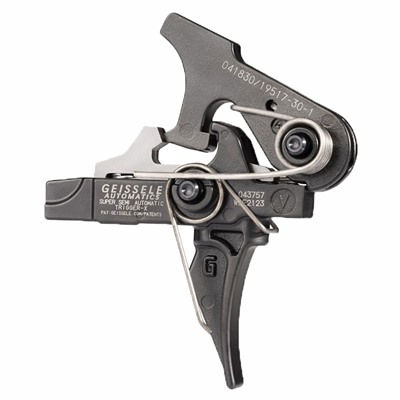
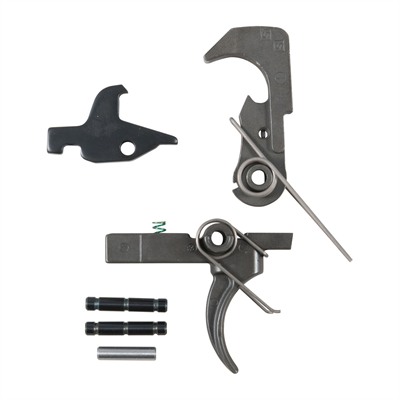

Prices update hourly. Not legal advice, confirm your own configuration before you buy. All Connecticut gun laws
Connecticut law in detail
- Public Act 26-41 — Bans the sale and import of easily convertible (Glock style) pistols and expressly bans forced reset triggers starting October 1, 2026.
The federal rule
Under the 2025 Justice Department settlement with Rare Breed Triggers, ATF no longer treats a forced reset trigger that fires one round per trigger function as a machine gun. That settles federal law only; a state can still ban FRTs under its own machine gun, rapid fire device or multiburst trigger statute.
FRTs in neighboring states
Next steps
Frequently asked questions
Are forced reset triggers legal in Connecticut?
No. Connecticut: Treated as a machine gun or rapid fire device under state law. Reviewed September 16, 2026.
What is the federal rule on forced reset triggers?
Under the 2025 Justice Department settlement with Rare Breed Triggers, ATF no longer treats a forced reset trigger that fires one round per trigger function as a machine gun. That settles federal law only; a state can still ban FRTs under its own machine gun, rapid fire device or multiburst trigger statute.
How many states restrict forced reset triggers?
Nationwide by our review: 35 states: no state ban; 15: restricted.
More Connecticut gun laws
Legal disclaimer: This page summarizes state law for general information and is not legal advice. Laws change and local rules can be stricter. Confirm with the Connecticut statutes, the state attorney general or a licensed attorney before buying, building or traveling.