Gun Laws/Colorado/Federal update October 9, 2026; state rules reviewed October 12, 2026

English

Are short barreled rifles legal in Colorado?

Quick answer

Yes

Colorado lists short rifles as dangerous weapons, with a permit and license defense.

7 of Colorado's 7 neighboring states have the same status. Check each one before you cross a state line with short barreled rifles.

Can you SBR an AR-15 now? What the October 9 change does and doesn't do →

Not legal advice. Source: C.R.S. 18-12-101(1)(h); 18-12-102(1), (3), (5), checked October 12, 2026

Short barreled rifle laws by state

Alabama: LegalAlaska: LegalArizona: LegalColorado: LegalFlorida: LegalGeorgia: LegalIndiana: LegalKansas: LegalMaine: LegalMassachusetts: LegalMinnesota: LegalNew Jersey: BannedNorth Carolina: LegalNorth Dakota: LegalOklahoma: LegalPennsylvania: LegalSouth Dakota: LegalTexas: LegalWyoming: LegalConnecticut: RestrictedMissouri: LegalWest Virginia: LegalIllinois: RestrictedNew Mexico: LegalArkansas: LegalCalifornia: BannedDelaware: RestrictedHawaii: BannedIowa: LegalKentucky: LegalMaryland: LegalMichigan: LegalMississippi: LegalMontana: LegalNew Hampshire: LegalNew York: BannedOhio: LegalOregon: LegalTennessee: LegalUtah: LegalVirginia: LegalWashington: LegalWisconsin: LegalNebraska: LegalSouth Carolina: RestrictedIdaho: LegalNevada: LegalVermont: LegalLouisiana: LegalRhode Island: BannedALAKAZARCACOFLGAHIIDILINIAKSKYLAMEMIMNMSMOMTNENVNMNYNCNDOHOKORPASCSDTNTXUTVAWAWVWIWY
Legal (41)Restricted (4)Banned (5)Short barreled rifle laws by state. Tap a state
Map legend: clear means Legal; caution means Restricted; restricted means Banned

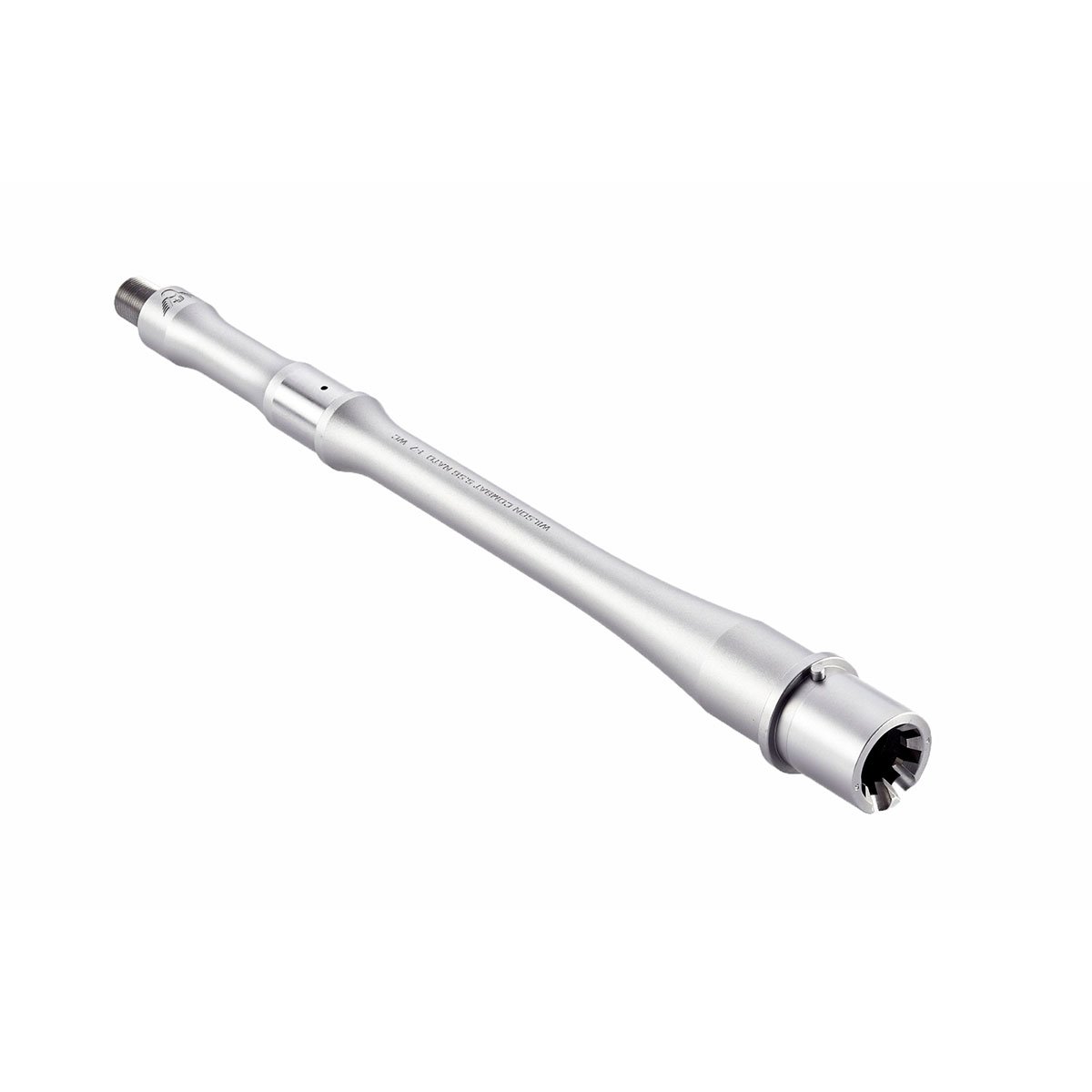
Short barrels you can build on in Colorado

Legal under Colorado law.Everything here is under 16 inches. Taking a finished SBR across state lines still needs an approved ATF Form 5320.20.

Some states only allow suppressors and SBRs that are federally registered or possessed in compliance with federal law. Check your state's statute before you buy.

ATF announced on October 9, 2026 that it would stop enforcing the National Firearms Act's approval, registration and tax stamp requirements for suppressors, short barreled rifles, short barreled shotguns and any other weapons (AOWs). This is an enforcement policy, not a change to the National Firearms Act; the law is still on the books and the policy can be reversed or challenged.

Most picked by builders

Live prices
  1. $441.00at Optics Planet
  2. $121.60at AT3 Tactical
  3. $248.95at Brownells

Ranked by how often builders add each one to a build on GunPartPicker, across every build. In stock only, prices update hourly.

Compare every 11.5 inch barrel →

Not legal advice. Confirm your own configuration before you buy. All Colorado gun laws

What the Colorado statute says

Colorado lists short rifles as dangerous weapons, with a permit and license defense

C.R.S. 18-12-101(1)(h); 18-12-102(1), (3), (5)

“‘Short rifle’ means a rifle having a barrel less than sixteen inches long or an overall length of less than twenty-six inches.”

Colorado counts a short rifle, under 16 inches of barrel or 26 inches overall, as a dangerous weapon, and knowingly possessing one is a class 5 felony under 18-12-102(3). A private owner's only affirmative defense is holding a valid permit and license for possession of the weapon, and the statute does not say who issues it.

Statute text checked October 12, 2026. Quotes are the statute's own words.

The federal rule

A rifle with a barrel under 16 inches or an overall length under 26 inches is a short barreled rifle under the National Firearms Act. ATF announced on October 9, 2026 that it would stop enforcing the National Firearms Act's approval, registration and tax stamp requirements for suppressors, short barreled rifles, short barreled shotguns and any other weapons (AOWs). That follows the Silencer Shop Foundation v. ATF ruling, which the Justice Department chose to apply nationwide. This is an enforcement policy, not a change to the National Firearms Act; the law is still on the books and the policy can be reversed or challenged. Two federal rules are unaffected: a dealer still runs a Form 4473 and a background check, and taking an SBR across state lines still needs an approved ATF Form 5320.20. Some states ban SBRs regardless. Some states only allow suppressors and SBRs that are federally registered or possessed in compliance with federal law. Check your state's statute before you buy.

SBRs in neighboring states

Next steps

Frequently asked questions

Are short barreled rifles legal in Colorado?

Yes. Colorado lists short rifles as dangerous weapons, with a permit and license defense. The statute: C.R.S. 18-12-101(1)(h); 18-12-102(1), (3), (5). Federal update October 9, 2026; state statute checked October 12, 2026.

What is the federal rule on short barreled rifles?

A rifle with a barrel under 16 inches or an overall length under 26 inches is a short barreled rifle under the National Firearms Act. ATF announced on October 9, 2026 that it would stop enforcing the National Firearms Act's approval, registration and tax stamp requirements for suppressors, short barreled rifles, short barreled shotguns and any other weapons (AOWs). That follows the Silencer Shop Foundation v. ATF ruling, which the Justice Department chose to apply nationwide. This is an enforcement policy, not a change to the National Firearms Act; the law is still on the books and the policy can be reversed or challenged. Two federal rules are unaffected: a dealer still runs a Form 4473 and a background check, and taking an SBR across state lines still needs an approved ATF Form 5320.20. Some states ban SBRs regardless. Some states only allow suppressors and SBRs that are federally registered or possessed in compliance with federal law. Check your state's statute before you buy.

How many states restrict short barreled rifles?

Nationwide by our review: 41 states: legal; 4: restricted; 5: banned.

More Colorado gun laws

Legal disclaimer: This page summarizes state law for general information and is not legal advice. Laws change and local rules can be stricter. Confirm with the Colorado statutes, the state attorney general or a licensed attorney before buying, building or traveling.