Gun Laws/Maryland/Reviewed September 16, 2026
Are suppressors legal in Maryland?
Quick answer
Yes
Maryland: Allowed (federally compliant).
3 of Maryland's 4 neighboring states have the same status. Check each one before you cross a state line with suppressors.
Not legal advice. Source: GunPartPicker state law review, September 16, 2026
Suppressor laws by state
Suppressors you can own in Maryland
Legal in Maryland with the federal tax stamp. Prices are live from the merchants we track.
In stock, ranked by what builders add most. One listing per model.
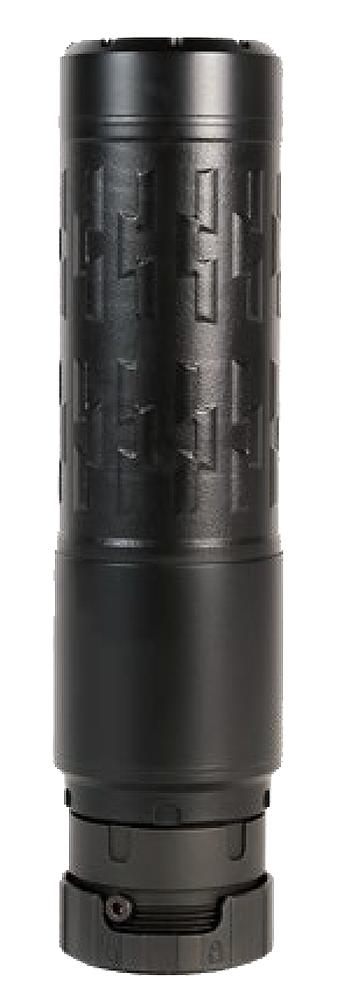
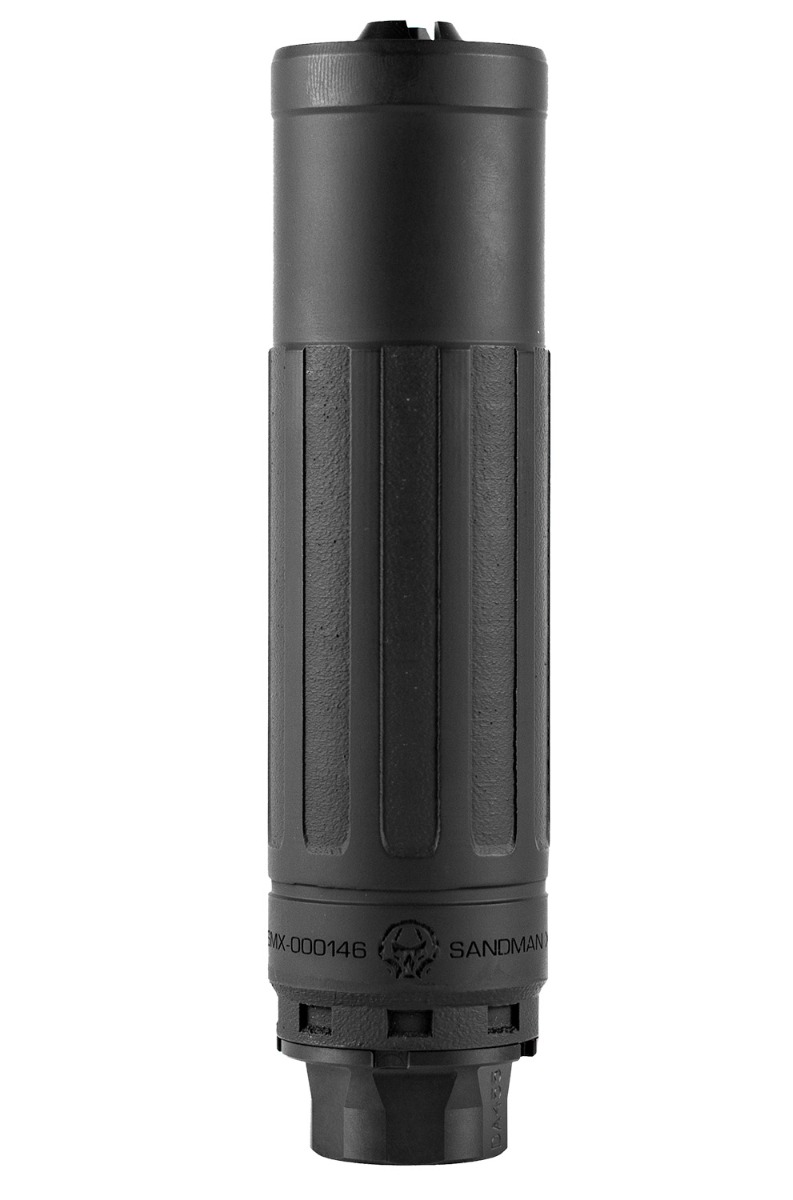

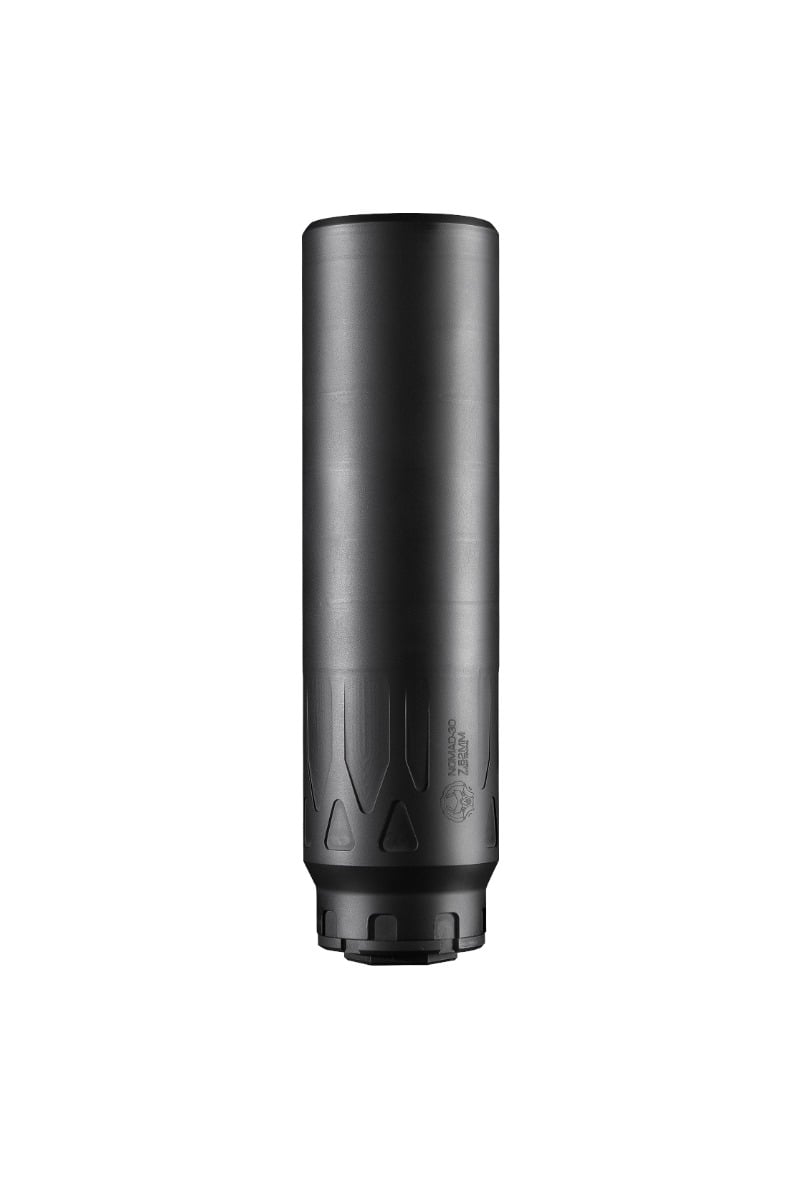
Prices update hourly. Not legal advice, confirm your own configuration before you buy. All Maryland gun laws
Maryland law in detail
- Yes (Assault Weapon Ban) — Both 'assault pistols' and 'assault long guns' are banned by name and feature. This includes semi-auto rifles with folding stocks, flash suppressors, or grenade launchers.
- Allowed (federally compliant) NFA — NFA items including SBRs, SBS, suppressors, and machine guns are legal as long as you comply with federal tax stamp requirements.
The federal rule
Suppressors are regulated under the National Firearms Act. The federal tax on a suppressor dropped from $200 to $0 on January 1, 2026, but you still need an approved ATF Form 4 and registration before taking possession. State law can ban them outright even when federal law allows them.
Suppressors in neighboring states
Next steps
Frequently asked questions
Are suppressors legal in Maryland?
Yes. Maryland: Allowed (federally compliant). Reviewed September 16, 2026.
What is the federal rule on suppressors?
Suppressors are regulated under the National Firearms Act. The federal tax on a suppressor dropped from $200 to $0 on January 1, 2026, but you still need an approved ATF Form 4 and registration before taking possession. State law can ban them outright even when federal law allows them.
How many states restrict suppressors?
Nationwide by our review: 42 states: legal with tax stamp; 8: banned.
More Maryland gun laws
Legal disclaimer: This page summarizes state law for general information and is not legal advice. Laws change and local rules can be stricter. Confirm with the Maryland statutes, the state attorney general or a licensed attorney before buying, building or traveling.