Gun Laws/North Carolina/Reviewed September 16, 2026
Are binary triggers legal in North Carolina?
Quick answer
Yes
North Carolina: Not on our list of states that ban binary triggers.
4 of North Carolina's 4 neighboring states have the same status. Check each one before you cross a state line with binary triggers.
Not legal advice. Source: GunPartPicker state law review, September 16, 2026
Binary trigger laws by state
Binary triggers you can buy in North Carolina
One round on the pull, one on the release, with no state rate of fire statute in the way here.
In stock, ranked by what builders add most. One listing per model.
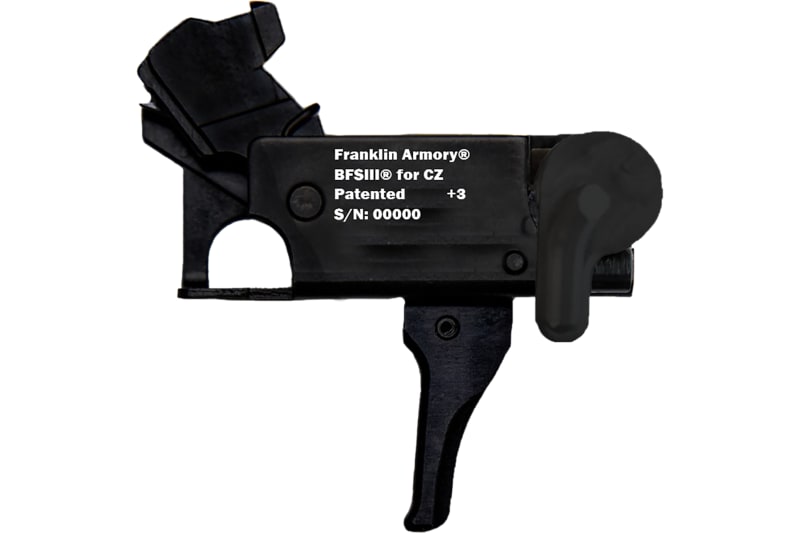
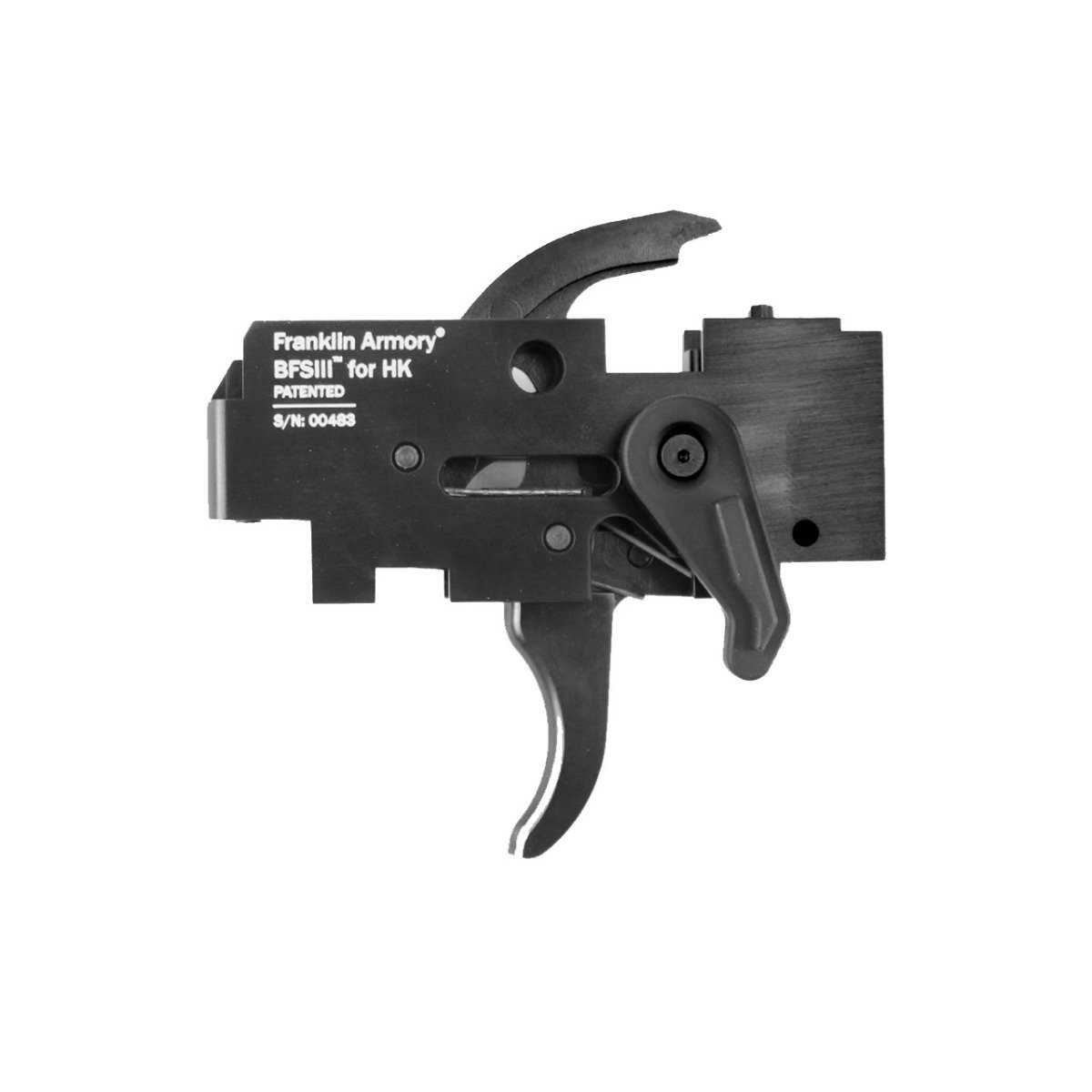
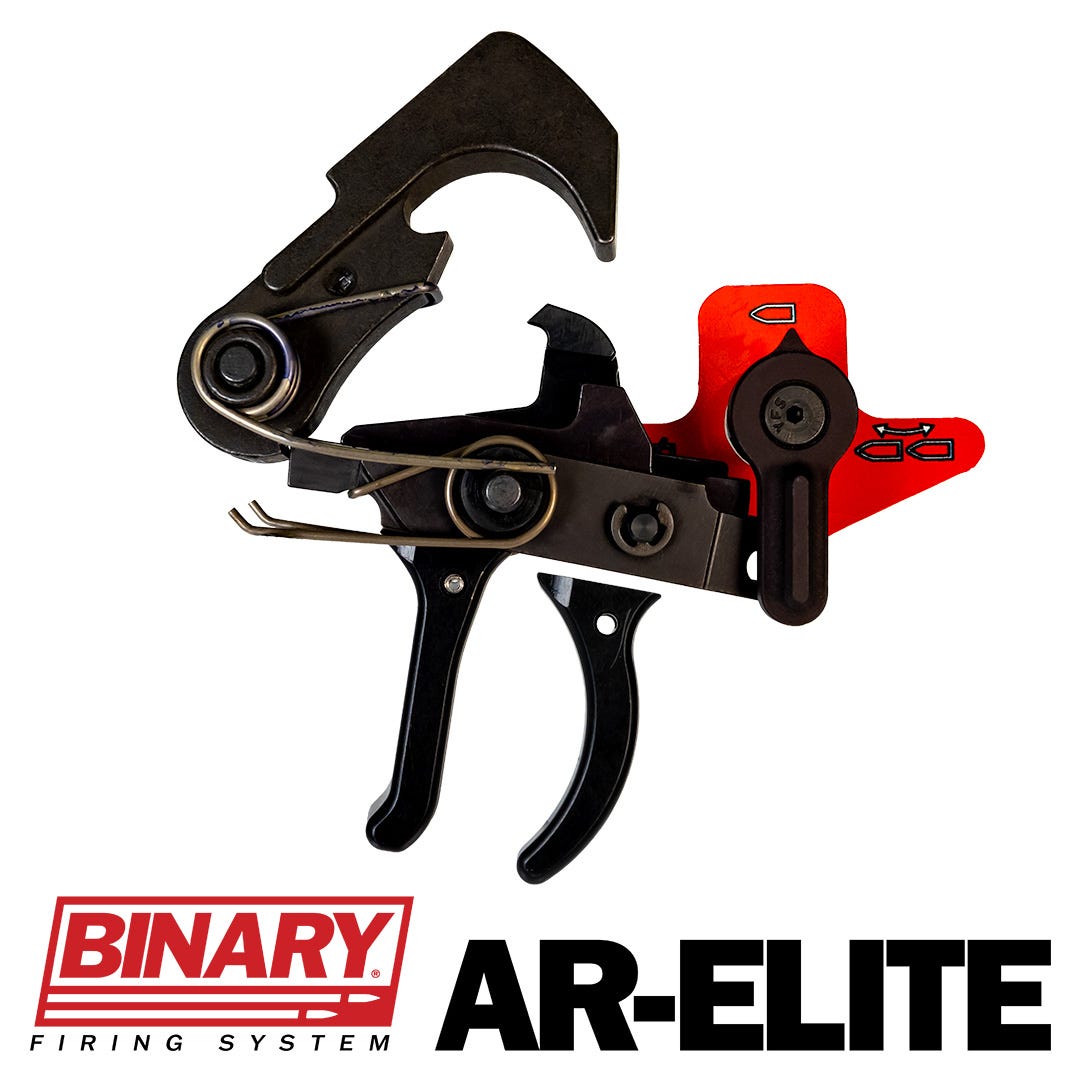

Prices update hourly. Not legal advice, confirm your own configuration before you buy. All North Carolina gun laws
North Carolina law in detail
- North Carolina is not on our list of states banning binary triggers, and has no rate of fire or multiburst trigger activator statute we read as covering them.
- Binary triggers are not federally regulated: one round on the pull, one on the release, still one round per function of the trigger.
The federal rule
A binary trigger fires once on the pull and once on the release. It is not regulated under federal law, but several states ban it under statutes aimed at rapid fire devices, multiburst triggers or trigger activators.
Binary triggers in neighboring states
Next steps
Frequently asked questions
Are binary triggers legal in North Carolina?
Yes. North Carolina: Not on our list of states that ban binary triggers. Reviewed September 16, 2026.
What is the federal rule on binary triggers?
A binary trigger fires once on the pull and once on the release. It is not regulated under federal law, but several states ban it under statutes aimed at rapid fire devices, multiburst triggers or trigger activators.
How many states restrict binary triggers?
Nationwide by our review: 37 states: no state ban; 1: unsettled; 12: banned.
More North Carolina gun laws
Legal disclaimer: This page summarizes state law for general information and is not legal advice. Laws change and local rules can be stricter. Confirm with the North Carolina statutes, the state attorney general or a licensed attorney before buying, building or traveling.